跡
See also: 迹
| ||||||||
Translingual
| Japanese | 跡 |
|---|---|
| Simplified | 迹 |
| Traditional | 跡/蹟 |
Han character
跡 (Kangxi radical 157, 足+6, 13 strokes, cangjie input 口一卜中金 (RMYLC), four-corner 60130, composition ⿰𧾷亦)
References
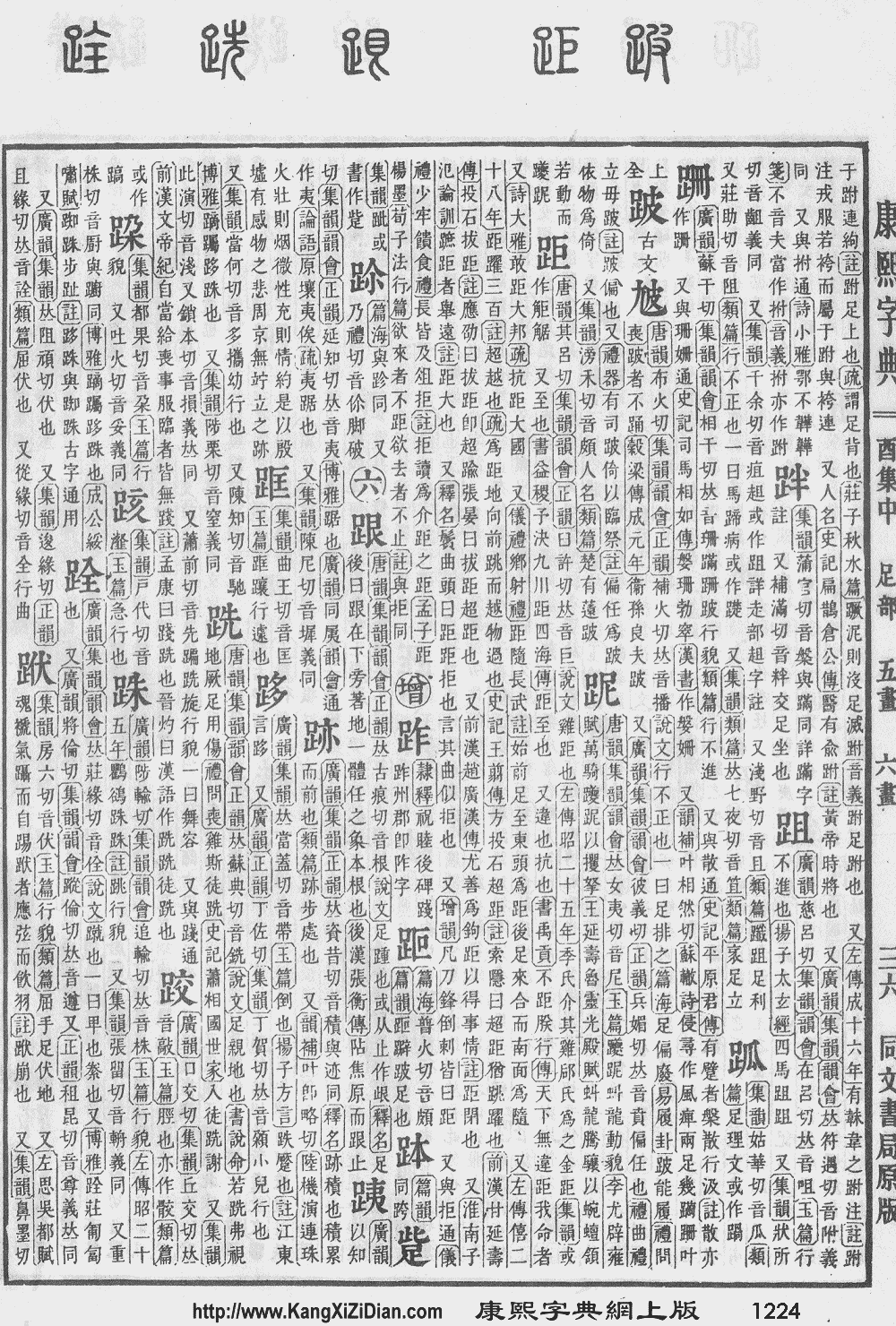
- Kangxi Dictionary: page 1224, character 16
- Dai Kanwa Jiten: character 37493
- Dae Jaweon: page 1696, character 7
- Hanyu Da Zidian (first edition): volume 6, page 3706, character 2
- Unihan data for U+8DE1
Chinese
| trad. | 跡/蹟/迹 | |
|---|---|---|
| simp. | 迹 | |
| alternative forms | 𨒪 𨒏 ancient | |
Glyph origin
Characters in the same phonetic series (亦) (Zhengzhang, 2003)
Variant of 迹 using a semantic component with similar meaning; see there for more. Current form is Phono-semantic compound (形聲/形声, OC *ʔsleːɡ) : semantic 𧾷 (“foot”) + phonetic 亦 (OC *laːɡ).
Pronunciation
Definitions
跡
Usage notes
- In Taiwan, both 跡 and 蹟 are standard forms. 蹟 is used in some compounds like 奇蹟 and 事蹟 (in which 跡 or 迹 are acceptable but could be seen as informal), while 跡 is used in others like 痕跡 and 筆跡 (in which 跡 should not be written as 蹟).
- In Hong Kong, only 跡 is the standard form, while 蹟 and 迹 are acceptable variant forms.
Compounds
- 不著痕跡/不着痕迹 (bùzhuóhénjì)
- 並跡/并迹
- 事跡/事迹 (shìjì)
- 人跡/人迹 (rénjì)
- 人跡杳然/人迹杳然
- 人跡罕至/人迹罕至 (rénjìhǎnzhì)
- 來蹤去跡/来踪去迹
- 兔跡狐蹤/兔迹狐踪
- 削跡/削迹
- 剗跡/刬迹
- 劣跡/劣迹 (lièjì)
- 劣跡昭著/劣迹昭着
- 勝跡/胜迹 (shèngjì)
- 匿跡/匿迹 (nìjì)
- 匿跡潛形/匿迹潜形
- 匿跡銷聲/匿迹销声
- 匿跡隱形/匿迹隐形
- 古跡/古迹 (gǔjì)
- 史跡/史迹 (shǐjì)
- 名勝古跡/名胜古迹 (míngshèng gǔjì)
- 奇跡/奇迹 (qíjì)
- 奇蹤異跡/奇踪异迹
- 奧跡/奥迹 (àojì)
- 字跡/字迹 (zìjì)
- 安跡/安迹
- 寄跡/寄迹
- 密跡金剛/密迹金刚
- 尋蹤覓跡/寻踪觅迹
- 對筆跡/对笔迹
- 屏跡/屏迹 (bǐngjì)
- 平面描跡/平面描迹
- 弢跡匿光/弢迹匿光
- 形跡/形迹 (xíngjì)
- 形跡可疑/形迹可疑
- 形跡敗露/形迹败露
- 影跡/影迹 (yǐngjì)
- 心跡/心迹 (xīnjì)
- 手跡/手迹 (shǒujì)
- 投跡/投迹
- 拔跡/拔迹
- 探尋勝跡/探寻胜迹
- 斂跡/敛迹 (liǎnjì)
- 晦跡/晦迹
- 晦跡韜光/晦迹韬光
- 書跡/书迹 (shūjì)
- 杜門屏跡/杜门屏迹
- 杜門晦跡/杜门晦迹
- 杳無人跡/杳无人迹
- 杳無蹤跡/杳无踪迹
- 殺人滅跡/杀人灭迹
- 毀屍滅跡/毁尸灭迹 (huǐshīmièjì)
- 比跡/比迹
- 汗跡/汗迹
- 泯然無跡/泯然无迹
- 治跡/治迹
- 泯跡/泯迹
- 流風遺跡/流风遗迹
- 消聲匿跡/消声匿迹
- 消聲滅跡/消声灭迹
- 浪跡/浪迹 (làngjì)
- 浪跡天下/浪迹天下
- 浪跡天涯/浪迹天涯
- 浪跡江湖/浪迹江湖
- 海跡湖/海迹湖
- 浪跡萍蹤/浪迹萍踪
- 混跡/混迹
- 淪跡/沦迹
- 滅跡/灭迹 (mièjì)
- 潛形匿跡/潜形匿迹
- 潛蹤隱跡/潜踪隐迹
- 潛身遠跡/潜身远迹
- 濡跡/濡迹
- 無跡可尋/无迹可寻
- 王跡/王迹
- 畏影惡跡/畏影恶迹
- 略跡原心/略迹原心
- 略跡原情/略迹原情 (lüèjìyuánqíng)
- 痕跡/痕迹 (hénjì)
- 發跡/发迹 (fājì)
- 發跡變泰/发迹变泰
- 真跡/真迹 (zhēnjì)
- 禹跡/禹迹
- 穢跡/秽迹
- 筆跡/笔迹 (bǐjì)
- 筆跡鑑定/笔迹鉴定
- 絕跡/绝迹 (juéjì)
- 聲跡彰露/声迹彰露
- 腳跡/脚迹 (jiǎojì)
- 舊跡/旧迹 (jiùjì)
- 著跡/着迹
- 萍蹤梗跡/萍踪梗迹
- 萍蹤浪跡/萍踪浪迹
- 葉跡/叶迹
- 蛛絲馬跡/蛛丝马迹 (zhūsīmǎjì)
- 血跡/血迹
- 血跡斑斑/血迹斑斑
- 行跡/行迹 (xíngjì)
- 表明心跡/表明心迹
- 襲跡/袭迹
- 託跡/托迹
- 變跡埋名/变迹埋名
- 足跡/足迹 (zújì)
- 跡地/迹地 (jìdì)
- 跡捕/迹捕
- 跡象/迹象 (jìxiàng)
- 蹤跡/踪迹 (zōngjì)
- 車塵馬跡/车尘马迹
- 車轍馬跡/车辙马迹
- 軌跡/轨迹 (guǐjì)
- 轍跡/辙迹
- 逃名晦跡/逃名晦迹
- 追蹤躡跡/追踪蹑迹
- 遁名匿跡/遁名匿迹
- 遁跡/遁迹 (dùnjì)
- 遐跡/遐迹
- 遁跡潛形/遁迹潜形
- 遁跡銷聲/遁迹销声
- 遯跡山林/遁迹山林
- 遺跡/遗迹 (yíjì)
- 邁跡/迈迹
- 銷聲匿跡/销声匿迹 (xiāoshēngnìjì)
- 銷聲斂跡/销声敛迹
- 陳跡/陈迹 (chénjì)
- 隱跡埋名/隐迹埋名
- 隱跡藏名/隐迹藏名
- 韜光晦跡/韬光晦迹
- 韜光滅跡/韬光灭迹
- 韜光隱跡/韬光隐迹
- 韜聲匿跡/韬声匿迹
- 風萍浪跡/风萍浪迹
- 駢肩累跡/骈肩累迹
- 墨跡/墨迹 (mòjì)
- 龜文鳥跡/龟文鸟迹
Japanese
Compounds
Noun
跡 • (ato)
- evidence of something passing; footsteps, trace, tracks
- 靴の跡 ― kutsu no ato ― shoeprints
- 犯人の跡を追う
- hannin no ato o ou
- track down the criminal
- (literally, “follow the trace of the criminal”)
- mark or trace left on something after a certain act is done to it
- remains, ruins
- 寺院の址 ― jīn no ato ― remains of a temple
- family estate or property
- Synonym: 家督
- precedent, example
- Synonym: 先例
- 古人の跡にならう
- kojin no ato ni narau
- follow in the footsteps of the ancients
Etymology 2
| Kanji in this term |
|---|
| 跡 |
| せき Grade: S |
| kan’on |
| Alternative spellings |
|---|
| 迹 蹟 |
From Middle Chinese 跡 (MC tsjek).
Pronunciation
- IPA(key): [se̞kʲi]
Noun
跡 • (seki)
Pronunciation
- IPA(key): [to̞]
Noun
跡 • (to)
- Used in compound terms such as 跡絶える (todaeru, “to cut off, sever”), 跡見 (tomi, “tracking (in hunting)”), etc.
References
- Matsumura, Akira, editor (2006), 大辞林 [Daijirin] (in Japanese), Third edition, Tōkyō: Sanseidō, →ISBN
- NHK Broadcasting Culture Research Institute, editor (1998), NHK日本語発音アクセント辞典 [NHK Japanese Pronunciation Accent Dictionary] (in Japanese), Tōkyō: NHK Publishing, →ISBN
Korean
Etymology
(This etymology is missing or incomplete. Please add to it, or discuss it at the Etymology scriptorium. Particularly: “Middle Korean readings, if any”)
Pronunciation
- (SK Standard/Seoul) IPA(key): [t͡ɕʌ̹k̚]
- Phonetic hangul: [적]
Hanja
Wikisource 跡 • (jeok) (hangeul 적)
- This term needs a translation to English. Please help out and add a translation, then remove the text
{{rfdef}}.
Vietnamese
This article is issued from Wiktionary. The text is licensed under Creative Commons - Attribution - Sharealike. Additional terms may apply for the media files.