毛
| ||||||||
| ||||||||
Translingual
| Stroke order | |||
|---|---|---|---|
 | |||
| Stroke order | |||
|---|---|---|---|
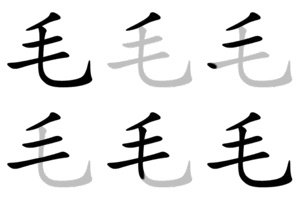 | |||
Han character
毛 (Kangxi radical 82, 毛+0, 4 strokes, cangjie input 竹手山 (HQU), four-corner 20714, composition ⿱丿⿻二乚)
Derived characters
References
- Kangxi Dictionary: page 591, character 22
- Dai Kanwa Jiten: character 16772
- Dae Jaweon: page 983, character 26
- Hanyu Da Zidian (first edition): volume 3, page 1994, character 1
- Unihan data for U+6BDB

Chinese
| simp. and trad. |
毛 | |
|---|---|---|
Glyph origin
| Historical forms of the character 毛 | |||
|---|---|---|---|
| Western Zhou | Warring States | Shuowen Jiezi (compiled in Han) | Liushutong (compiled in Ming) |
| Bronze inscriptions | Chu slip and silk script | Small seal script | Transcribed ancient scripts |
 |
 |
 |
 |
Pictogram (象形) – feather or hair.
Etymology 1
From Proto-Sino-Tibetan *s/r-m(u/i/ja)l (“hair; fur; feather”); related to 眉 (OC *mril, “eyebrow”) and cognate with Manipuri ꯃꯨꯅ (mun, “pubic hair”), Garo খিমিল (khimil, “hair; fur”), Proto-Lolo-Burmese *ʔ-məw¹ (“body hair”) (STEDT; Schuessler, 2007).
(Cantonese) (mold): folk etymology suggests from English mold.
Pronunciation
Definitions
毛
- hair (of humans or animals); fur; feather (Classifier: 根 m; 條/条 c; 支 mn)
- (dialectal) hair on the head
- mildew; mold
- (colloquial) jiao; one tenth of a yuan or dollar; ten cents; dime
- coarse; raw; semifinished
- 毛茶 ― máochá ― raw tea
- (of an amount) gross
- rough; sketchy
- 毛估 ― máogū ― to make a rough estimate
- small; little
- careless; unthinking
- panicked; scared; nervous
- angry; furious
- (of currency) depreciated
- (Mainland China, colloquial or slang) no; nothing; damn all; my ass
- (Cantonese, colloquial, always with the classifier) nothing; damn all; jack shit; bugger all (Classifier: 條/条 c)
- (ACG) hair (in unnatural colours)
- 白毛 ― bái máo ― [the character] with white-coloured hair
- 假毛 ― jiǎmáo ― wig
- (Hokkien) tiny; minute
- (Hokkien) impure; contaminated; false; mixed
- (Mainland China Hokkien) crops; vegetation; greenery; plants
- (Mainland China Hokkien) unrefined; crude
- a surname
- 毛澤東/毛泽东 ― Máo Zédōng ― Mao Zedong (Mao Tse-tung), founder of the People's Republic of China
Synonyms
- (hair on the head):
- (jiao):
Compounds
- 一毛
- 一毛不拔 (yīmáobùbá)
- 一毛錢/一毛钱
- 不毛 (bùmáo)
- 不毛之地 (bùmáozhīdì)
- 九牛一毛 (jiǔniúyīmáo)
- 九牛毛
- 二毛 (èrmáo)
- 二毛子
- 二道毛子
- 五毛 (wǔmáo)
- 伐毛洗髓
- 倒捽毛兒/倒捽毛儿
- 兔毛
- 兔毛大伯
- 兔角龜毛/兔角龟毛
- 冠毛
- 出毛病 (chūmáobìng)
- 刺毛
- 剛毛/刚毛 (gāngmáo)
- 千里鵝毛
- 吊毛
- 吹毛
- 吹毛取瑕
- 吹毛毛
- 吹毛求瑕
- 吹毛求疵 (chuīmáoqiúcī)
- 吹毛索疵
- 命輕鴻毛/命轻鸿毛
- 土毛
- 多如牛毛 (duōrúniúmáo)
- 大毛
- 太山鴻毛/太山鸿毛
- 奶毛 (nǎimáo)
- 寒毛 (hánmáo)
- 寒毛直豎/寒毛直竖
- 寬皮毛/宽皮毛
- 小毛 (xiǎomáo)
- 小毛賊/小毛贼
- 小毛頭/小毛头
- 尾毛
- 屌毛
- 屬毛離裡/属毛离里
- 山毛櫸/山毛榉 (shānmáojǔ)
- 愛惜羽毛/爱惜羽毛 (àixīyǔmáo)
- 愛毛反裘/爱毛反裘
- 扁毛畜生
- 打毛線/打毛线 (dǎ máoxiàn)
- 披毛犀
- 拂毛羽
- 拿毛
- 挑毛揀刺/挑毛拣刺
- 挑毛病
- 挽眉毛
- 搖鵝毛扇/摇鹅毛扇
- 撏毛搗鬢/挦毛捣鬓
- 撈毛的/捞毛的
- 料毛
- 旃毛
- 旋毛蟲/旋毛虫
- 松毛
- 松毛蟲/松毛虫 (sōngmáochóng)
- 棕毛 (zōngmáo)
- 歹鬥毛/歹斗毛
- 死輕鴻毛/死轻鸿毛
- 殖毛劑/殖毛剂
- 毛丫頭/毛丫头
- 毛了
- 毛了手腳/毛了手脚
- 毛人
- 毛兔子
- 毛公鼎
- 毛利 (máolì)
- 毛利人 (Máolìrén)
- 毛刺 (máocì)
- 毛刻本
- 毛包
- 毛南族 (Máonánzú)
- 毛司
- 毛咕
- 毛嘴 (Máozuǐ)
- 毛囊 (máonáng)
- 毛囊炎 (máonángyán)
- 毛囊蟲/毛囊虫
- 毛團/毛团 (máotuán)
- 毛團把戲/毛团把戏
- 毛地黃/毛地黄 (máodìhuáng)
- 毛坑
- 毛坯 (máopī)
- 毛太紙/毛太纸
- 毛子 (máozi)
- 毛子人
- 毛子話/毛子话
- 毛孔 (máokǒng)
- 毛孩子 (máoháizi)
- 毛家港 (Máojiāgǎng)
- 毛寶放龜/毛宝放龟
- 毛尖 (máojiān)
- 毛尖茶
- 毛崽子
- 毛巾 (máojīn)
- 毛巾被 (máojīnbèi)
- 毛布 (máobù)
- 毛市 (Máoshì)
- 毛序
- 毛廁/毛厕
- 毛心
- 毛所得
- 毛手毛腳/毛手毛脚 (máoshǒumáojiǎo)
- 毛料 (máoliào)
- 毛施淑姿
- 毛板
- 毛桃
- 毛栗子
- 毛樣/毛样 (máoyàng)
- 毛毛
- 毛毛匠
- 毛毛毛 (máomáomáo)
- 毛毛的
- 毛毛蟲/毛毛虫
- 毛毛雨
- 毛毛騰騰/毛毛腾腾
- 毛毯 (máotǎn)
- 毛氈/毛毡 (máozhān)
- 毛氈苔/毛毡苔 (máozhāntái)
- 毛渠
- 毛烘烘
- 毛燕
- 毛片
- 毛物
- 毛犀
- 毛玻璃
- 毛瑟槍/毛瑟枪 (máosèqiāng)
- 毛病 (máobìng)
- 毛皮 (máopí)
- 毛穎/毛颖
- 毛窩/毛窝
- 毛窩子/毛窝子
- 毛窩鞋/毛窝鞋
- 毛竹 (máozhú)
- 毛筆/毛笔 (máobǐ)
- 毛筍/毛笋
- 毛筆字/毛笔字
- 毛糙 (máocāo)
- 毛紡/毛纺 (máofǎng)
- 毛紙/毛纸
- 毛細現象/毛细现象 (máoxì xiànxiàng)
- 毛細管/毛细管 (máoxìguǎn)
- 毛細管水/毛细管水
- 毛細血管/毛细血管 (máoxì xuèguǎn)
- 毛線/毛线 (máoxiàn)
- 毛線衣/毛线衣 (máoxiànyī)
- 毛織品/毛织品 (máozhīpǐn)
- 毛織物/毛织物 (máozhīwù)
- 毛繩/毛绳
- 毛群 (máoqún)
- 毛義捧檄/毛义捧檄
- 毛羽
- 毛腰
- 毛腳女婿/毛脚女婿
- 毛腳媳婦/毛脚媳妇
- 毛腳毛手/毛脚毛手
- 毛腳雞/毛脚鸡
- 毛舉/毛举
- 毛舉細事/毛举细事
- 毛舉細務/毛举细务
- 毛舉細故/毛举细故
- 毛舉縷析/毛举缕析
- 毛草
- 毛茸
- 毛茶 (máochá)
- 毛茸茸
- 毛蒂青皮
- 毛薑/毛姜
- 毛藍/毛蓝
- 毛蛋 (máodàn)
- 毛蚶 (máohān)
- 毛蜞
- 毛蝨/毛虱
- 毛蝦/毛虾 (máoxiā)
- 毛蟲/毛虫 (máochóng)
- 毛蟹 (máoxiè)
- 毛血
- 毛衣 (máoyī)
- 毛衫 (máoshān)
- 毛裝/毛装
- 毛裡拖氈/毛里拖毡
- 毛裝本/毛装本
- 毛襪/毛袜
- 毛詩/毛诗 (Máoshī)
- 毛譜/毛谱
- 毛豆 (máodòu)
- 毛象 (máoxiàng)
- 毛豬/毛猪
- 毛賊/毛贼 (máozéi)
- 毛躁 (máozào)
- 毛遂自薦/毛遂自荐 (máosuìzìjiàn)
- 毛邊紙/毛边纸 (máobiānzhǐ)
- 毛里塔尼亞 (Máolǐtǎníyà)
- 毛里求斯 (Máolǐqiúsī)
- 毛重 (máozhòng)
- 毛錢/毛钱 (máoqián)
- 毛錐子/毛锥子
- 毛開骨悚/毛开骨悚
- 毛雨
- 毛頭/毛头 (máotóu)
- 毛頭星/毛头星
- 毛頭紙/毛头纸
- 毛額/毛额 (máo'é)
- 毛食
- 毛騰廝火/毛腾厮火
- 毛驢/毛驴 (máolǘ)
- 毛骨悚然 (máogǔsǒngrán)
- 毛骨森然
- 毛骨森竦
- 毛骨竦然 (máogǔsǒngrán)
- 毛骨聳然/毛骨耸然 (máogǔsǒngrán)
- 毛髮/毛发 (máofà)
- 毛髮之功/毛发之功
- 毛髮俱豎/毛发俱竖
- 毛髮倒豎/毛发倒竖
- 毛髮悚然/毛发悚然
- 毛髮森豎/毛发森竖
- 毛髮皆豎/毛发皆竖
- 毛髮聳然/毛发耸然
- 毫毛 (háomáo)
- 毫毛不犯
- 毳毛
- 氄毛
- 氈上拖毛/毡上拖毛
- 氈毛/毡毛
- 汗毛 (hànmáo)
- 泰山鴻毛/泰山鸿毛
- 涼爽羊毛/凉爽羊毛
- 溫毛/温毛
- 潑毛團/泼毛团
- 潑毛神/泼毛神
- 火燒眉毛/火烧眉毛 (huǒshāoméimáo)
- 烏毛蕨/乌毛蕨
- 無毛/无毛 (wúmáo)
- 燎毛
- 燕毛
- 牛之一毛
- 牛毛 (niúmáo)
- 狗毛
- 狼毛筆/狼毛笔
- 班毛
- 生毛帶角/生毛带角
- 略知皮毛
- 發毛/发毛 (fāmáo)
- 白毛
- 白毛風/白毛风 (báimáofēng)
- 皮之不存,毛將焉附/皮之不存,毛将焉附 (pí zhī bù cún, máo jiāng yān fù)
- 皮毛 (pímáo)
- 眉毛 (méimáo)
- 眼扎毛
- 眾毛攢裘/众毛攒裘
- 眼睫毛 (yǎnjiémáo)
- 睫毛 (jiémáo)
- 管城毛穎/管城毛颖
- 紅毛/红毛 (hóngmáo)
- 紅毛城/红毛城 (Hóngmáochéng)
- 紅毛番/红毛番 (hóngmáofān)
- 細毛/细毛 (xìmáo)
- 細毛藻/细毛藻
- 絨毛/绒毛 (róngmáo)
- 綿毛/绵毛
- 繭絲牛毛/茧丝牛毛
- 纖毛/纤毛 (xiānmáo)
- 纖毛蟲/纤毛虫 (xiānmáochóng)
- 纖毛運動/纤毛运动
- 罵毛延壽/骂毛延寿
- 羊毛 (yángmáo)
- 羊毛猴
- 羊毛疔
- 羊毛脂 (yángmáozhī)
- 羽毛 (yǔmáo)
- 羽毛未豐/羽毛未丰
- 羽毛球 (yǔmáoqiú)
- 羽毛衣
- 翎毛
- 翎毛畫/翎毛画
- 翻毛兒/翻毛儿
- 老毛
- 老毛子 (lǎomáozi)
- 老毛病 (lǎomáobìng)
- 胎毛 (tāimáo)
- 脫毛/脱毛 (tuōmáo)
- 腋毛 (yèmáo)
- 腳毛/脚毛 (jiǎomáo)
- 腸絨毛/肠绒毛
- 腹背之毛
- 腿毛 (tuǐmáo)
- 膽邊生毛/胆边生毛
- 自惜羽毛
- 茸毛
- 茶毛蟲/茶毛虫
- 茹毛飲血/茹毛饮血 (rúmáoyǐnxuè)
- 草雞毛/草鸡毛
- 蛓毛蟲/蛓毛虫
- 血毛
- 褪毛 (tuìmáo)
- 西寧毛/西宁毛
- 見驥一毛/见骥一毛
- 觸毛/触毛
- 謹毛失貌/谨毛失貌
- 豎人毛髮/竖人毛发
- 豎毛/竖毛
- 豎毛筋/竖毛筋
- 輕如鴻毛/轻如鸿毛
- 輕於鴻毛/轻于鸿毛 (qīngyúhóngmáo)
- 重眉毛
- 野毛扁豆
- 鑒毛辨色/鉴毛辨色
- 長毛/长毛
- 長毛絨/长毛绒 (chángmáoróng)
- 長毛象/长毛象 (chángmáoxiàng)
- 阿奇毛 (āqímáo)
- 陰毛/阴毛 (yīnmáo)
- 雞毛帚/鸡毛帚 (jīmáozhǒu)
- 雞毛店/鸡毛店
- 雞毛打帚/鸡毛打帚
- 雞毛撢子/鸡毛撢子 (jīmáo dǎnzi)
- 雞毛文書/鸡毛文书
- 雞毛蒜皮/鸡毛蒜皮 (jīmáosuànpí)
- 鞭毛 (biānmáo)
- 鞭毛藻
- 鞭毛蟲/鞭毛虫
- 顛毛/颠毛
- 飛毛腿/飞毛腿 (fēimáotuǐ)
- 食毛踐土/食毛践土
- 飲血茹毛/饮血茹毛
- 騏驥一毛/骐骥一毛
- 體毛/体毛 (tǐmáo)
- 髯毛
- 鬃毛 (zōngmáo)
- 鬢毛/鬓毛 (bìnmáo)
- 鱗毛/鳞毛
- 鳳毛/凤毛 (fèngmáo)
- 鳳毛濟美/凤毛济美
- 鳳毛麟角/凤毛麟角 (fèngmáo línjiǎo)
- 鴻毛/鸿毛 (hóngmáo)
- 鴻毛泰山/鸿毛泰山
- 鵝毛/鹅毛 (émáo)
- 鵝毛扇/鹅毛扇
- 鵝毛被/鹅毛被
- 鵝毛雪/鹅毛雪
- 鷹擊毛摯/鹰击毛挚
- 鷹爪毛兒/鹰爪毛儿
- 麟角鳳毛/麟角凤毛 (línjiǎo fèngmáo)
- 黃毛丫頭/黄毛丫头
- 黃毛團兒/黄毛团儿
- 龜毛/龟毛 (guīmáo)
- 龜毛兔角/龟毛兔角 (guīmáotùjiǎo)
Descendants
Pronunciation
References
- “毛”, in 漢語多功能字庫 (Multi-function Chinese Character Database), 香港中文大學 (the Chinese University of Hong Kong), 2014–
Japanese
Readings
Etymology 1
| Kanji in this term |
|---|
| 毛 |
| け Grade: 2 |
| kun’yomi |
From Old Japanese. Attested in the Man'yōshū of circa 759 CE.[1] Ultimately from Proto-Japonic *kay. Cognate with Proto-Ryukyuan *ke (“hair, fur”).
References
- “毛”, in 日本国語大辞典 (Nihon Kokugo Daijiten, “Nihon Kokugo Daijiten”) (in Japanese), concise edition, Tōkyō: Shogakukan, 2000
- Matsumura, Akira, editor (2006), 大辞林 [Daijirin] (in Japanese), Third edition, Tōkyō: Sanseidō, →ISBN
- NHK Broadcasting Culture Research Institute, editor (1998), NHK日本語発音アクセント辞典 [NHK Japanese Pronunciation Accent Dictionary] (in Japanese), Tōkyō: NHK Publishing, →ISBN
Korean
Etymology
(This etymology is missing or incomplete. Please add to it, or discuss it at the Etymology scriptorium. Particularly: “Middle Korean readings, if any”)
Pronunciation
- (SK Standard/Seoul) IPA(key): [mo̞]
- Phonetic hangul: [모]
Okinawan
Etymology
From Proto-Ryukyuan *ke, from Proto-Japonic *kay. Cognate with Japanese 毛 (ke).