導
See also: 导
| ||||||||
Translingual
| Stroke order | |||
 | |||
Han character
導 (Kangxi radical 41, 寸+12, 15 (Mainland China, Japan), 16 (Hong Kong) strokes, cangjie input 卜山木戈 (YUDI), four-corner 38343, composition ⿱道寸)
Derived characters
- 𠐵
References
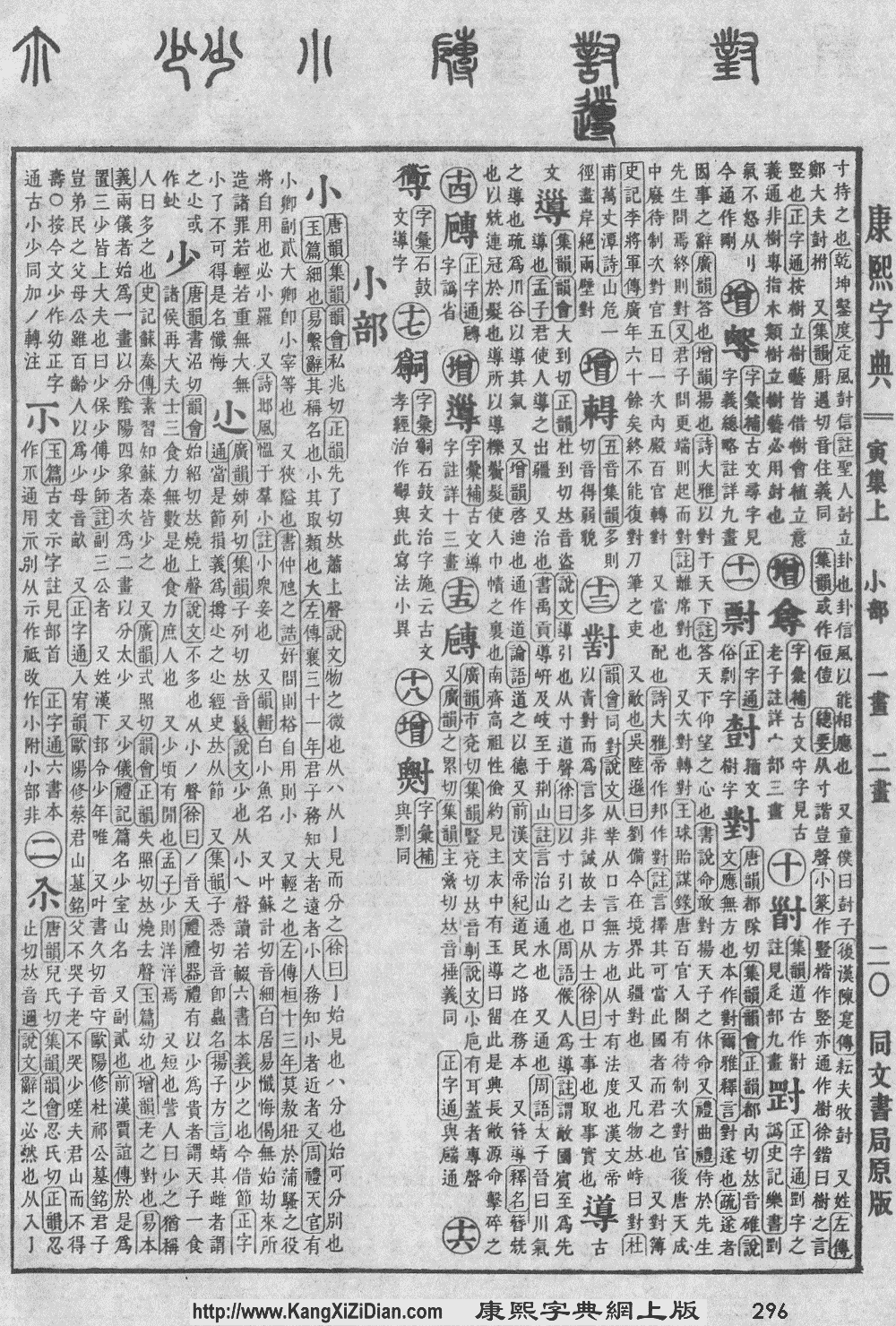
- Kangxi Dictionary: page 296, character 10
- Dai Kanwa Jiten: character 7463
- Dae Jaweon: page 586, character 9
- Hanyu Da Zidian (first edition): volume 1, page 512, character 5
- Unihan data for U+5C0E
Chinese
Glyph origin
Characters in the same phonetic series (首) (Zhengzhang, 2003)
Phono-semantic compound (形聲/形声, OC *duːs) : phonetic 道 (OC *l'uːʔ, “path”) + semantic 寸 (“hand”) – to lead someone.
Pronunciation
Compounds
- 不導體/不导体
- 不良導體/不良导体
- 主導/主导 (zhǔdǎo)
- 主導詞/主导词
- 個別輔導/个别辅导
- 倡導/倡导 (chàngdǎo)
- 傳導/传导 (chuándǎo)
- 先導/先导 (xiāndǎo)
- 光電傳導/光电传导
- 出口導向/出口导向
- 制導/制导
- 前導/前导
- 創意指導/创意指导
- 勸導/劝导 (quàndǎo)
- 半導體/半导体 (bàndǎotǐ)
- 向導/向导 (xiàngdǎo)
- 呵導/呵导
- 善導/善导
- 單線領導/单线领导
- 嚮導/向导 (xiàngdǎo)
- 嚮導犬/向导犬
- 因勢利導/因势利导 (yīnshìlìdǎo)
- 團體輔導/团体辅导
- 執導/执导 (zhídǎo)
- 報導/报导 (bàodǎo)
- 報導攝影/报导摄影
- 報導文學/报导文学
- 宣導/宣导 (xuāndǎo)
- 專題報導/专题报导
- 導修課/导修课 (dǎoxiūkè)
- 導傘/导伞
- 導入/导入 (dǎorù)
- 導函數/导函数 (dǎohánshù)
- 導向/导向 (dǎoxiàng)
- 導向思考/导向思考
- 導向飛彈/导向飞弹 (dǎoxiàng fēidàn)
- 導向魚雷/导向鱼雷
- 導報/导报 (dǎobào)
- 導尿/导尿 (dǎoniào)
- 導尿管/导尿管 (dǎoniàoguǎn)
- 導師/导师 (dǎoshī)
- 導師制/导师制
- 導引/导引 (dǎoyǐn)
- 導引之術/导引之术
- 導引大全/导引大全
- 導引系統/导引系统
- 導引胎息/导引胎息
- 導彈/导弹 (dǎodàn)
- 導德齊禮/导德齐礼
- 導揚/导扬
- 導播/导播 (dǎobō)
- 導板/导板
- 導標/导标
- 導正/导正 (dǎozhèng)
- 導氣/导气
- 導氣之術/导气之术
- 導水/导水
- 導流板/导流板
- 導源/导源 (dǎoyuán)
- 導演/导演 (dǎoyǎn)
- 導火線/导火线 (dǎohuǒxiàn)
- 導熱/导热 (dǎorè)
- 導爆索/导爆索
- 導生制/导生制
- 導盲/导盲 (dǎománg)
- 導盲磚/导盲砖 (dǎomángzhuān)
- 導管/导管 (dǎoguǎn)
- 導管分子/导管分子
- 導線/导线 (dǎoxiàn)
- 導致/导致 (dǎozhì)
- 導航/导航 (dǎoháng)
- 導航器/导航器
- 導航衛星/导航卫星
- 導覽/导览 (dǎolǎn)
- 導言/导言 (dǎoyán)
- 導語/导语
- 導論/导论 (dǎolùn)
- 導諛/导谀
- 導護/导护
- 導讀/导读 (dǎodú)
- 導遊/导游 (dǎoyóu)
- 導電/导电 (dǎodiàn)
- 導體/导体 (dǎotǐ)
- 就業輔導/就业辅导
- 引導/引导 (yǐndǎo)
- 感導/感导
- 慣性導航/惯性导航
- 批郤導窾/批郤导窾
- 指導/指导 (zhǐdǎo)
- 指導員/指导员 (zhǐdǎoyuán)
- 指揮導航/指挥导航
- 推導/推导 (tuīdǎo)
- 教導/教导 (jiàodǎo)
- 教育視導/教育视导
- 教育輔導/教育辅导
- 新聞報導/新闻报导
- 柔性勸導/柔性劝导
- 武術指導/武术指导
- 歸向導引/归向导引
- 波導/波导 (bōdǎo)
- 深度報導/深度报导
- 熱傳導/热传导
- 熱導率/热导率 (rèdǎolǜ)
- 物件導向/物件导向
- 特別報導/特别报导
- 獨家報導/独家报导
- 王導/王导
- 班導師/班导师
- 生活輔導/生活辅导
- 疏導/疏导 (shūdǎo)
- 督導/督导 (dūdǎo)
- 節導/节导
- 級任導師/级任导师
- 綜合報導/综合报导 (zōnghé bàodǎo)
- 網路導覽/网路导览
- 線上導覽/线上导览
- 編導/编导 (biāndǎo)
- 美工指導/美工指导
- 職業輔導/职业辅导
- 自導自演/自导自演 (zìdǎozìyǎn)
- 藝術指導/艺术指导
- 衛星導航/卫星导航
- 訓導/训导 (xùndǎo)
- 誤導/误导 (wùdǎo)
- 誘導/诱导 (yòudǎo)
- 課外輔導/课外辅导
- 課後輔導/课后辅导
- 課業輔導/课业辅导
- 諄諄教導/谆谆教导
- 超導電性/超导电性
- 超導體/超导体 (chāodǎotǐ)
- 輔導/辅导 (fǔdǎo)
- 輔導員/辅导员 (fǔdǎoyuán)
- 輔導級/辅导级
- 開導/开导 (kāidǎo)
- 電導/电导 (diàndǎo)
- 非導體/非导体
- 順導/顺导 (shùndǎo)
- 領導/领导 (lǐngdǎo)
- 領導制度/领导制度
- 領導幹部/领导干部
- 領導有方/领导有方
- 領導班子/领导班子 (lǐngdǎo bānzi)
Pronunciation
Japanese
| Shinjitai | 導 | |
| Kyūjitai [1] |
導󠄁 導+ 󠄁?(Adobe-Japan1) |
 |
| 導󠄃 導+ 󠄃?(Hanyo-Denshi) (Moji_Joho) | ||
| The displayed kanji may be different from the image due to your environment. See here for details. | ||
Readings
Etymology
| Kanji in this term |
|---|
| 導 |
| しるべ Grade: 5 |
| kun’yomi |
| For pronunciation and definitions of 導 – see the following entry. | ||
| ||
| (This term, 導, is an alternative spelling of the above term.) |
References
- “導”, in 漢字ぺディア (Kanjipedia) (in Japanese), 日本漢字能力検定協会, 2015–2024
Korean
Vietnamese
This article is issued from Wiktionary. The text is licensed under Creative Commons - Attribution - Sharealike. Additional terms may apply for the media files.