腳
See also: 脚
| ||||||||
Translingual
Han character
腳 (Kangxi radical 130, 肉+9, 13 strokes, cangjie input 月金口中 (BCRL), four-corner 77220, composition ⿰月卻(GK) or ⿰⺼卻(HT))
Descendants
References
- Kangxi Dictionary: page 989, character 20
- Dai Kanwa Jiten: character 29712
- Dae Jaweon: page 1441, character 23
- Hanyu Da Zidian (first edition): volume 3, page 2098, character 7
- Unihan data for U+8173

Chinese
Glyph origin
Characters in the same phonetic series (郤) (Zhengzhang, 2003)
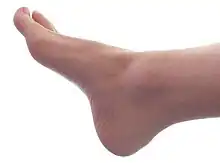
Phono-semantic compound (形聲/形声, OC *kaɡ) : semantic ⺼ (“meat, body”) + phonetic 卻 (OC *kaɡ, *kʰaɡ) – part of the body, the foot or leg.
Pronunciation
腳
Definitions
腳
Synonyms
Dialectal synonyms of 腳 (“foot”) [map]
Usage notes
In many varieties of Chinese south of the Yangtze River, 腳/脚 (jiǎo) refers to the leg and foot collectively.
See also
- 腿 (tuǐ)
Compounds
- 一扎腳
- 一腳/一脚
- 一腳地/一脚地
- 一腳指/一脚指
- 丁字腳/丁字脚
- 七手八腳/七手八脚 (qīshǒubājiǎo)
- 下腳/下脚
- 下腳兒/下脚儿
- 三腳兩步/三脚两步
- 下腳料/下脚料 (xiàjiǎoliào)
- 三腳架/三脚架 (sānjiǎojià)
- 三腳櫈/三脚櫈
- 三腳貓/三脚猫 (sānjiǎomāo)
- 下腳貨/下脚货
- 不著腳/不著脚
- 不露馬腳/不露马脚
- 丟風撒腳/丢风撒脚
- 二路腳兒/二路脚儿
- 二踢腳/二踢脚 (èrtījiǎo)
- 仰八腳兒/仰八脚儿
- 住腳/住脚
- 侮手侮腳/侮手侮脚
- 信腳/信脚
- 修腳/修脚 (xiūjiǎo)
- 做手腳/做手脚 (zuò shǒujiǎo)
- 做腳/做脚
- 元和腳/元和脚
- 光腳/光脚 (guāngjiǎo)
- 入腳/入脚
- 內八字腳/内八字脚 (nèibāzìjiǎo)
- 兩腳寫字/两脚写字
- 兩腳書櫥/两脚书橱
- 兩腳直跳/两脚直跳
- 兩腳規/两脚规
- 兩腳貨/两脚货
- 八字腳/八字脚 (bāzìjiǎo)
- 六腳/六脚 (Liùjiǎo, “Lioujiao”)
- 切腳/切脚
- 別腳/别脚
- 前後腳兒/前后脚儿 (qiánhòujiǎor)
- 前腳/前脚
- 劈腳跟/劈脚跟
- 加快腳步/加快脚步
- 動手動腳/动手动脚 (dòngshǒudòngjiǎo)
- 動手腳/动手脚 (dòngshǒujiǎo)
- 務腳/务脚
- 包腳/包脚 (bāojiǎo)
- 半籃腳/半篮脚
- 口腳類/口脚类
- 名腳/名脚
- 吊腳/吊脚
- 吊腳兒/吊脚儿
- 嗐聲跺腳/嗐声跺脚
- 四腳朝天/四脚朝天 (sìjiǎocháotiān)
- 四腳蛇/四脚蛇 (sìjiǎoshé)
- 國腳/国脚 (guójiǎo)
- 地理腳色/地理脚色
- 地腳/地脚
- 墊腳/垫脚
- 墊腳石/垫脚石 (diànjiǎoshí)
- 墜腳/坠脚
- 外八字腳/外八字脚 (wàibāzìjiǎo)
- 外磕腳/外磕脚 (Wàikējiǎo)
- 大手大腳/大手大脚 (dàshǒudàjiǎo)
- 大手腳/大手脚
- 大根腳/大根脚
- 大腳/大脚 (dàjiǎo)
- 大腳三/大脚三
- 大腳丫/大脚丫
- 大腳力/大脚力
- 大腳婆娘/大脚婆娘
- 大腦腳/大脑脚
- 失腳/失脚 (shījiǎo)
- 好手好腳/好手好脚
- 字腳/字脚
- 小手小腳/小手小脚
- 小腳/小脚 (xiǎojiǎo)
- 小腳色/小脚色
- 展腳舒腰/展脚舒腰
- 山腳/山脚 (shānjiǎo)
- 帶一腳/带一脚 (dàiyījiǎo)
- 年跟腳/年跟脚
- 床腳/床脚
- 底腳/底脚
- 底腳裡人/底脚里人
- 弄手腳/弄手脚
- 弔腳兒事/吊脚儿事
- 後腳/后脚 (hòujiǎo)
- 從頭到腳/从头到脚
- 忙了手腳/忙了手脚
- 忙手忙腳/忙手忙脚
- 急急腳腳/急急脚脚
- 急腳/急脚
- 急腳信/急脚信
- 急腳遞/急脚递 (jíjiǎodì)
- 急腳鬼/急脚鬼
- 慌了手腳/慌了手脚
- 慌手忙腳/慌手忙脚
- 慌手慌腳/慌手慌脚
- 慌腳雞/慌脚鸡
- 慢手慢腳/慢手慢脚
- 手忙腳亂/手忙脚乱 (shǒumángjiǎoluàn)
- 手慌腳忙/手慌脚忙
- 手腳/手脚 (shǒujiǎo)
- 手腳無措/手脚无措
- 手零腳碎/手零脚碎
- 手麻腳軟/手麻脚软
- 扎手舞腳
- 扎腳
- 打牆腳/打墙脚
- 打腳/打脚
- 打赤腳/打赤脚 (dǎchìjiǎo)
- 扦腳/扦脚
- 折壁腳/折壁脚
- 扭手扭腳/扭手扭脚
- 扯手扯腳/扯手扯脚
- 把腳不住/把脚不住
- 抱佛腳/抱佛脚 (bào fójiǎo)
- 拆壁腳/拆壁脚
- 拍手打腳/拍手打脚
- 拍手拍腳/拍手拍脚
- 拆牆腳/拆墙脚 (chāi qiángjiǎo)
- 拉腳/拉脚
- 抽腳/抽脚
- 抱腳兒/抱脚儿
- 拉腳屋/拉脚屋
- 挖基腳/挖基脚
- 指手畫腳/指手画脚 (zhǐshǒuhuàjiǎo)
- 指手頓腳/指手顿脚
- 拳打腳踢/拳打脚踢 (quándǎjiǎotī)
- 挖牆腳/挖墙脚 (wā qiángjiǎo)
- 挑腳/挑脚
- 拿腳/拿脚
- 拳腳/拳脚 (quánjiǎo)
- 拳腳交加/拳脚交加
- 指腳夫妻/指脚夫妻
- 挑腳漢/挑脚汉
- 捎帶腳兒/捎带脚儿
- 捏手捏腳/捏手捏脚
- 捎腳/捎脚
- 挺腳/挺脚
- 捉腳不住/捉脚不住
- 捏腳捏手/捏脚捏手
- 捉腳步/捉脚步
- 捻手捻腳/捻手捻脚
- 捶胸跌腳/捶胸跌脚
- 捶胸頓腳/捶胸顿脚
- 接腳/接脚
- 捻腳捻手/捻脚捻手
- 掂腳舒腰/掂脚舒腰
- 捧臭腳/捧臭脚 (pěng chòujiǎo)
- 插一腳/插一脚
- 插腳/插脚 (chājiǎo)
- 搓手跺腳/搓手跺脚
- 搓手頓腳/搓手顿脚 (cuōshǒudùnjiǎo)
- 搬磚砸腳/搬砖砸脚
- 搭腳/搭脚
- 搭腳兒/搭脚儿
- 撒腳/撒脚
- 擔腳/担脚 (dànjiǎo)
- 擠手捏腳/挤手捏脚
- 攤手攤腳/摊手摊脚
- 攧腳/𭣇脚
- 支手舞腳/支手舞脚
- 收腳/收脚
- 放腳/放脚
- 放腳隊/放脚队
- 敦蹄刷腳/敦蹄刷脚
- 斜腳雨/斜脚雨
- 旋風腳/旋风脚
- 日腳/日脚
- 替手填腳/替手填脚
- 會腳/会脚
- 有腳書廚/有脚书厨
- 有腳陽春/有脚阳春
- 木腳道/木脚道
- 札手舞腳/札手舞脚
- 末腳/末脚
- 束手束腳/束手束脚
- 查手舞腳/查手舞脚
- 根腳/根脚 (gēnjiǎo)
- 樁腳/桩脚 (zhuāngjiǎo)
- 歇歇腳/歇歇脚
- 歇腳/歇脚 (xiējiǎo)
- 殘頭落腳/残头落脚
- 比手畫腳/比手画脚 (bǐshǒuhuàjiǎo)
- 毛了手腳/毛了手脚
- 毛手毛腳/毛手毛脚 (máoshǒumáojiǎo)
- 毛腳女婿/毛脚女婿
- 毛腳媳婦/毛脚媳妇
- 毛腳毛手/毛脚毛手
- 毛腳雞/毛脚鸡
- 水腳/水脚 (shuǐjiǎo)
- 沒入腳處/没入脚处
- 沒腳手/没脚手
- 沒腳蟹/没脚蟹
- 注腳 (zhùjiǎo)
- 泥腳/泥脚
- 活腳/活脚
- 湯腳/汤脚
- 潑腳/泼脚
- 潑腳子貨/泼脚子货
- 烏腳病/乌脚病
- 焐腳/焐脚
- 無腳蟹/无脚蟹
- 熟腳/熟脚
- 牆腳/墙脚 (qiángjiǎo)
- 獨腳戲/独脚戏 (dújiǎoxì)
- 獨腳腿/独脚腿
- 用腳投票/用脚投票 (yòng jiǎo tóupiào)
- 痶腳/痶脚
- 癩頭跣腳/癞头跣脚
- 發腳/发脚
- 相腳手/相脚手
- 相腳頭/相脚头
- 硬腳/硬脚
- 礙手礙腳/碍手碍脚 (àishǒu'àijiǎo)
- 神腳/神脚
- 秧腳/秧脚
- 窩心腳/窝心脚
- 立不住腳/立不住脚
- 立定腳跟/立定脚跟
- 立腳點/立脚点 (lìjiǎodiǎn)
- 站不住腳/站不住脚 (zhànbùzhùjiǎo)
- 站住腳/站住脚
- 站穩腳跟/站稳脚跟
- 笨手笨腳/笨手笨脚 (bènshǒubènjiǎo)
- 粗手粗腳/粗手粗脚
- 紅腳/红脚
- 紅腳笭/红脚笭
- 紮腳/扎脚
- 絆腳/绊脚
- 絆腳石/绊脚石 (bànjiǎoshí)
- 絞腳/绞脚
- 線腳兒/线脚儿
- 縛手縛腳/缚手缚脚
- 縮手縮腳/缩手缩脚 (suōshǒusuōjiǎo)
- 縮頭縮腳/缩头缩脚
- 纏手纏腳/缠手缠脚
- 纏腳/缠脚 (chánjiǎo)
- 缺一腳/缺一脚
- 羅漢腳/罗汉脚
- 羞口羞腳/羞口羞脚
- 老腳/老脚
- 聽壁腳/听壁脚
- 腳下/脚下 (jiǎoxià)
- 腳下人/脚下人
- 腳不沾地/脚不沾地
- 腳不點地/脚不点地
- 腳丫子/脚丫子 (jiǎoyāzi)
- 腳價/脚价
- 腳划船
- 腳力/脚力 (jiǎolì)
- 腳勁/脚劲
- 腳印/脚印 (jiǎoyìn)
- 腳叉/脚叉
- 腳夫/脚夫 (jiǎofū)
- 腳婆/脚婆
- 腳子/脚子
- 腳席/脚席
- 腳底/脚底 (jiǎodǐ)
- 腳店/脚店
- 腳底下/脚底下
- 腳底下人/脚底下人
- 腳底抹油/脚底抹油 (jiǎodǐmǒyóu)
- 腳底板兒/脚底板儿 (jiǎodǐbǎnr)
- 腳後跟/脚后跟 (jiǎohòugēn)
- 腳心/脚心 (jiǎoxīn)
- 腳忙手亂/脚忙手乱
- 腳戲/脚戏 (jiǎoxì)
- 腳戶/脚户
- 腳手/脚手
- 腳手架/脚手架 (jiǎoshǒujià)
- 腳扣/脚扣
- 腳本/脚本 (jiǎoběn)
- 腳板/脚板 (jiǎobǎn)
- 腳架/脚架 (jiǎojià)
- 腳梢天/脚梢天
- 腳樣兒/脚样儿
- 腳步/脚步 (jiǎobù)
- 腳步錢/脚步钱
- 腳氣病/脚气病 (jiǎoqìbìng)
- 腳注 (jiǎozhù)
- 腳燈/脚灯
- 腳爐/脚炉 (jiǎolú)
- 腳瓜/脚瓜
- 腳瓜囊/脚瓜囊
- 腳癬/脚癣 (jiǎoxuǎn)
- 腳登子/脚登子
- 腳盆/脚盆 (jiǎopén)
- 腳硬/脚硬
- 腳程/脚程
- 腳稍/脚稍
- 腳線/脚线
- 腳背/脚背 (jiǎobèi)
- 腳脛/脚胫
- 腳脖子/脚脖子 (jiǎobózi)
- 腳腕子/脚腕子 (jiǎowànzi)
- 腳船/脚船 (jiǎochuán)
- 腳色/脚色
- 腳行/脚行
- 腳註/脚注 (jiǎozhù)
- 腳趾/脚趾 (jiǎozhǐ)
- 腳跡/脚迹 (jiǎojì)
- 腳跟/脚跟 (jiǎogēn)
- 腳路/脚路
- 腳跟大事/脚跟大事
- 腳踝/脚踝 (jiǎohuái)
- 腳踏/脚踏 (jiǎotà)
- 腳踏倒鹽/脚踏倒盐
- 腳踏實地/脚踏实地 (jiǎotàshídì)
- 腳踏板/脚踏板
- 腳踏車/脚踏车 (jiǎotàchē)
- 腳邊路/脚边路
- 腳錢/脚钱
- 腳鏈/脚链 (jiǎoliàn)
- 腳鐐/脚镣 (jiǎoliào)
- 腳鐐手銬/脚镣手铐
- 腳鐲/脚镯 (jiǎozhuó)
- 腳門/脚门 (jiǎomén)
- 腳面/脚面 (jiǎomiàn)
- 腳頭/脚头
- 腳頭亂/脚头乱
- 腳頭妻/脚头妻
- 腳驢/脚驴
- 腳高步低/脚高步低
- 腳魚/脚鱼 (jiǎoyú)
- 腳鴨子/脚鸭子
- 腿腳/腿脚
- 臏腳/膑脚 (bìnjiǎo)
- 臨門一腳/临门一脚
- 臭腳丫子/臭脚丫子
- 船腳/船脚
- 莊腳/庄脚 (chng-kha) (Min Nan)
- 著手腳/著手脚
- 著腳/著脚
- 著腳書樓/著脚书楼
- 落腳/落脚 (luòjiǎo)
- 落腳貨/落脚货
- 落腳點/落脚点 (luòjiǎodiǎn)
- 行腳/行脚 (xíngjiǎo)
- 行腳僧/行脚僧
- 裹腳/裹脚
- 裹腳布/裹脚布 (guǒjiǎobù)
- 褲腳/裤脚 (kùjiǎo)
- 討老腳/讨老脚
- 試腳/试脚
- 象腳鼓/象脚鼓
- 豬腳/猪脚 (zhūjiǎo)
- 豬腳麵線/猪脚面线
- 豹腳/豹脚
- 費手腳/费手脚
- 費腳手/费脚手
- 賣頭賣腳/卖头卖脚
- 賭腳/赌脚
- 赤腳/赤脚 (chìjiǎo)
- 赤腳大仙/赤脚大仙
- 赤腳漢/赤脚汉
- 赤腳醫生/赤脚医生 (chìjiǎo yīshēng)
- 走了馬腳/走了马脚
- 起根發腳/起根发脚
- 趁腳兒蹻/趁脚儿跷
- 趕熱腳兒/赶热脚儿
- 趕腳/赶脚 (gǎnjiǎo)
- 趕腳的/赶脚的
- 跛腳/跛脚 (bǒjiǎo)
- 跌腳/跌脚
- 跌腳搥胸/跌脚捶胸
- 跌腳絆手/跌脚绊手
- 跟腳/跟脚
- 跺腳/跺脚 (duòjiǎo)
- 跳腳/跳脚 (tiàojiǎo)
- 跺跺腳/跺跺脚
- 踏腳/踏脚
- 踏腳凳/踏脚凳
- 踏腳石/踏脚石
- 踢腳絆手/踢脚绊手
- 蹋腳/蹋脚
- 蹬腳/蹬脚
- 蹩腳/蹩脚 (biéjiǎo)
- 蹩腳貨/蹩脚货
- 躡手躡腳/蹑手蹑脚 (nièshǒunièjiǎo)
- 車腳夫/车脚夫
- 車腳錢/车脚钱
- 軋一腳/轧一脚
- 軟腳/软脚
- 軟腳病/软脚病
- 軟腳蝦/软脚虾
- 軟腳蟹/软脚蟹 (ruǎnjiǎoxiè)
- 輕手輕腳/轻手轻脚
- 通腳/通脚
- 連腳褲/连脚裤 (liánjiǎokù)
- 逼手逼腳/逼手逼脚
- 運腳/运脚
- 針腳/针脚 (zhēnjiǎo)
- 釵腳漏痕/钗脚漏痕
- 鋏腳/铗脚
- 鐵板註腳/铁板注脚
- 長腳蜂/长脚蜂
- 陣腳/阵脚 (zhènjiǎo)
- 陣腳大亂/阵脚大乱
- 陽春有腳/阳春有脚
- 雙腳/双脚 (shuāngjiǎo)
- 雨腳/雨脚 (yǔjiǎo)
- 露出馬腳/露出马脚 (lòuchū mǎjiǎo)
- 露馬腳/露马脚 (lòumǎjiǎo)
- 鞋鞋腳腳/鞋鞋脚脚
- 韻腳/韵脚 (yùnjiǎo)
- 順腳/顺脚
- 頓腳/顿脚 (dùnjiǎo)
- 頭輕腳重/头轻脚重
- 頭重腳輕/头重脚轻
- 飛腳/飞脚
- 香港腳/香港脚 (xiānggǎngjiǎo)
- 馬腳/马脚 (mǎjiǎo)
- 髮腳/发脚
- 鬢腳/鬓脚 (bìnjiǎo)
- 鬥腳/斗脚
- 鰭腳目/鳍脚目
- 鴨腳/鸭脚 (yājiǎo)
- 點腳/点脚
Korean
Vietnamese
This article is issued from Wiktionary. The text is licensed under Creative Commons - Attribution - Sharealike. Additional terms may apply for the media files.