卻
| ||||||||
Translingual
| Japanese | 却 |
|---|---|
| Simplified | 却 |
| Traditional | 卻 |
Han character
卻 (Kangxi radical 26, 卩+7, 9 strokes, cangjie input 金口尸中 (CRSL), four-corner 87620, composition ⿰谷卩(GHTKV) or ⿰𧮫卩(J))
Derived characters
Related characters
- 却 (Preferred form used in mainland China and Japan)
References
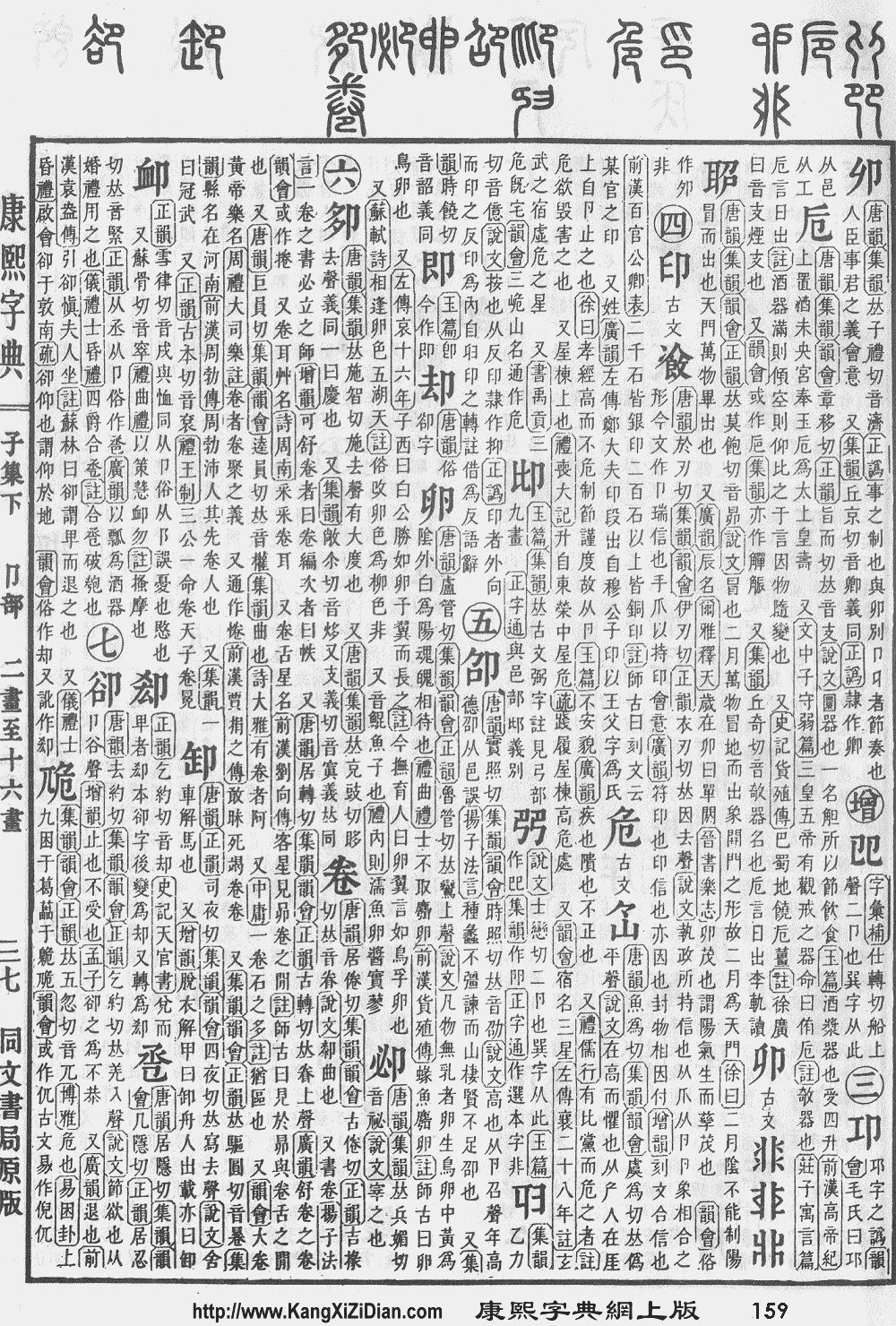
- Kangxi Dictionary: page 159, character 28
- Dai Kanwa Jiten: character 2867
- Dae Jaweon: page 365, character 11
- Hanyu Da Zidian (first edition): volume 1, page 317, character 2
- Unihan data for U+537B
Chinese
| trad. | 卻 | |
|---|---|---|
| simp. | 却 | |
| alternative forms | ||
Glyph origin
| Historical forms of the character 卻 | ||
|---|---|---|
| Warring States | Shuowen Jiezi (compiled in Han) | Liushutong (compiled in Ming) |
| Qin slip script | Small seal script | Transcribed ancient scripts |
 |
 |
 |
Characters in the same phonetic series (郤) (Zhengzhang, 2003)
Phono-semantic compound (形聲/形声, OC *kaɡ, *kʰaɡ) : phonetic 𧮫 () + semantic 卩.
Etymology
(This etymology is missing or incomplete. Please add to it, or discuss it at the Etymology scriptorium.)
Pronunciation
Definitions
卻
- to withdraw; to retreat
- (literary) to drive back (enemy)
- to decline; to refuse
- (particle placed after monosyllabic verbs) to do away with
- (only sentence-medially) but; yet; however
- 經過三天三夜5次大手術,杜富國從死亡線上被救了回來,但卻永遠地失去了雙手和雙眼。 [MSC, trad.]
- From: 程煥 (2021 August 13) ““排雷英战士”杜富国——永不停下奋斗的脚步事”, in People's Daily (in Chinese), page 4
- Jīngguò sān tiān sān yè 5 cì dà shǒushù, Dù Fùguó cóng sǐwángxiàn shàng bèi jiù le huílái, dàn què yǒngyuǎn de shīqù le shuāngshǒu hé shuāngyǎn. [Pinyin]
- After 5 major surgeries in three days, Du Fuguo was saved from the verge of death, but yet had permanently lost his arms and eyes.
经过三天三夜5次大手术,杜富国从死亡线上被救了回来,但却永远地失去了双手和双眼。 [MSC, simp.]
Compounds
- 了卻/了却 (liǎoquè)
- 免卻/免却
- 冷卻/冷却 (lěngquè)
- 冷卻器/冷却器
- 前卻/前却
- 剗卻/刬却
- 卻不/却不
- 卻不道/却不道
- 卻之不恭/却之不恭
- 卻又/却又
- 卻少/却少
- 卻待/却待 (quèdài)
- 卻後/却后
- 卻扇/却扇
- 卻是/却是 (quèshì)
- 卻月/却月
- 卻步/却步 (quèbù)
- 卻略/却略
- 卻病/却病
- 卻病延年/却病延年
- 卻立/却立
- 卻纔/却才
- 卻老/却老
- 卻行/却行
- 卻說/却说 (quèshuō)
- 失卻/失却 (shīquè)
- 忘卻/忘却 (wàngquè)
- 拒卻/拒却
- 拚卻/拚却
- 拋卻/抛却
- 拼卻/拼却
- 推卻/推却 (tuīquè)
- 擺袖卻金/摆袖却金
- 望而卻步/望而却步 (wàng'érquèbù)
- 杜門卻掃/杜门却扫
- 烏魯卻勒/乌鲁却勒 (Wūlǔquèlè)
- 盛情難卻/盛情难却
- 省卻/省却 (shěngquè)
- 瞞卻/瞒却
- 謝卻/谢却
- 趑趄卻顧/趑趄却顾
- 輕水冷卻/轻水冷却
- 辭卻/辞却
- 退卻/退却 (tuìquè)
- 閉門卻掃/闭门却扫
- 閉關卻掃/闭关却扫
- 闔門卻掃/阖门却扫
- 除卻/除却 (chúquè)
References
- Dictionary of Chinese Character Variants (教育部異體字字典), A00457
- “卻”, in 漢語多功能字庫 (Multi-function Chinese Character Database), 香港中文大學 (the Chinese University of Hong Kong), 2014–
- (Min Nan) “Entry #4718”, in 臺灣閩南語常用詞辭典 [Dictionary of Frequently-Used Taiwan Minnan] (overall work in Mandarin and Hokkien), Ministry of Education, R.O.C., 2023.
Japanese
Korean
Hanja
卻 (eum 각 (gak))
- This term needs a translation to English. Please help out and add a translation, then remove the text
{{rfdef}}.
Vietnamese
Han character
卻: Hán Nôm readings: khước
- This term needs a translation to English. Please help out and add a translation, then remove the text
{{rfdef}}.
References
This article is issued from Wiktionary. The text is licensed under Creative Commons - Attribution - Sharealike. Additional terms may apply for the media files.