袋
| ||||||||
Translingual
Han character
袋 (Kangxi radical 145, 衣+5, 11 strokes, cangjie input 人心卜竹女 (OPYHV), four-corner 23732, composition ⿱代衣)
References
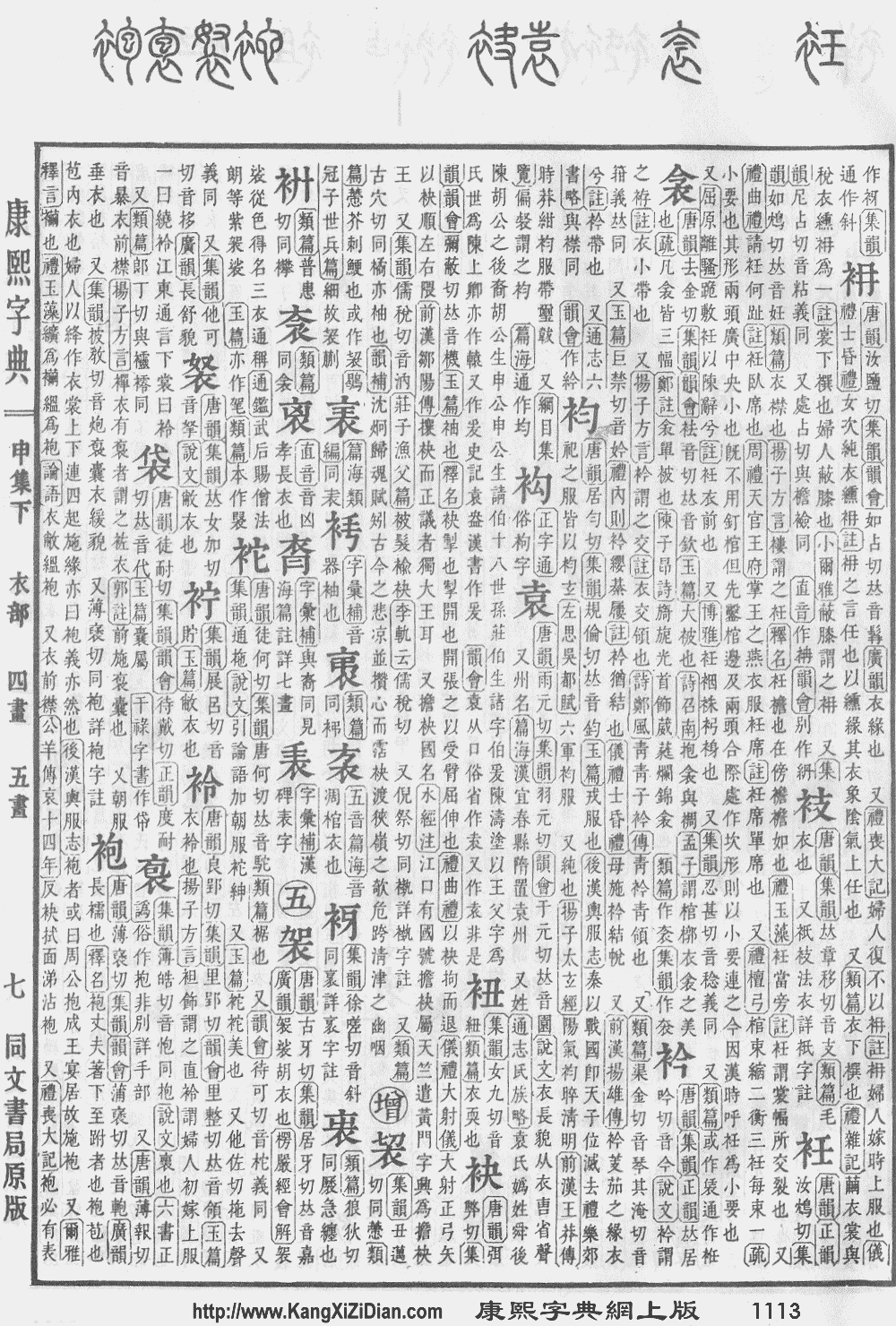
- Kangxi Dictionary: page 1113, character 28
- Dai Kanwa Jiten: character 34171
- Dae Jaweon: page 1579, character 20
- Hanyu Da Zidian (first edition): volume 5, page 3080, character 9
- Unihan data for U+888B
Chinese
| simp. and trad. |
袋 | |
|---|---|---|
Glyph origin
Characters in the same phonetic series (弋) (Zhengzhang, 2003)
| Old Chinese | |
|---|---|
| 戴 | *ʔl'ɯːɡs |
| 襶 | *tɯːɡs |
| 貸 | *l̥ʰɯːɡs |
| 代 | *l'ɯːɡs |
| 袋 | *l'ɯːɡs |
| 岱 | *l'ɯːɡs |
| 黛 | *l'ɯːɡs |
| 玳 | *l'ɯːɡs |
| 帒 | *l'ɯːɡs |
| 甙 | *l'ɯːɡs |
| 酨 | *l'ɯːs, *zlɯːs |
| 試 | *hljɯɡs |
| 弒 | *hljɯɡs |
| 忒 | *l̥ʰɯːɡ |
| 貣 | *l̥ʰɯːɡ, *l'ɯːɡ |
| 鴏 | *l'ɯːɡ |
| 栻 | *l̥ʰɯɡ, *hljɯɡ |
| 侙 | *l̥ʰɯɡ |
| 恜 | *l̥ʰɯɡ |
| 式 | *hljɯɡ |
| 軾 | *hljɯɡ |
| 拭 | *hljɯɡ |
| 鉽 | *hljɯɡ |
| 烒 | *hljɯɡ |
| 弋 | *lɯɡ |
| 芅 | *lɯɡ |
| 黓 | *lɯɡ |
| 隿 | *lɯɡ |
| 杙 | *lɯɡ |
| 釴 | *lɯɡ |
Phono-semantic compound (形聲/形声, OC *l'ɯːɡs) : phonetic 代 (OC *l'ɯːɡs) + semantic 衣 (“clothes”).
Pronunciation
Definitions
袋
Synonyms
- (pocket):
Dialectal synonyms of 口袋 (“pocket (sewn into clothing)”) [map]
Compounds
- 便袋
- 冰袋 (bīngdài)
- 卵袋
- 口袋
- 哺育袋
- 嗉袋
- 囊袋
- 四喜袋
- 塑料袋
- 塑膠袋/塑胶袋 (sùjiāodài)
- 外交郵袋/外交邮袋 (wàijiāo yóudài)
- 套袋
- 封袋
- 尿袋 (niàodài)
- 布袋 (bùdài)
- 引袋
- 手提袋
- 手袋 (shǒudài)
- 招文袋
- 掉書袋/掉书袋 (diàoshūdài)
- 插袋
- 料袋
- 春袋
- 暗袋
- 有袋類/有袋类 (yǒudàilèi)
- 沙袋 (shādài)
- 清袋
- 照袋
- 煙袋/烟袋 (yāndài)
- 熱水袋/热水袋 (rèshuǐdài)
- 環保袋/环保袋 (huánbǎodài)
- 皮袋
- 眼袋 (yǎndài)
- 睡袋 (shuìdài)
- 稍袋
- 筆袋/笔袋 (bǐdài)
- 筲袋
- 箭袋
- 素袋
- 紙袋/纸袋 (zhǐdài)
- 纏袋/缠袋
- 背袋
- 腦袋/脑袋
- 膠袋/胶袋 (jiāodài)
- 膥袋
- 茄袋
- 藥袋/药袋
- 行李袋
- 袋子 (dàizi)
- 袋熊 (dàixióng)
- 被袋 (bèidài)
- 袋袋平安
- 袋鼠 (dàishǔ)
- 調書袋/调书袋
- 豆袋
- 購物袋/购物袋 (gòuwùdài)
- 酒囊飯袋/酒囊饭袋
- 鈔袋/钞袋
- 錢袋/钱袋 (qiándài)
- 隨身袋/随身袋
- 霹靂袋/霹雳袋
- 順袋/顺袋
- 風向袋/风向袋
- 風袋/风袋
- 飯袋/饭袋
- 香袋 (xiāngdài)
- 魚袋/鱼袋
- 麻袋 (mádài)
Descendants
References
- “袋”, in 漢語多功能字庫 (Multi-function Chinese Character Database), 香港中文大學 (the Chinese University of Hong Kong), 2014–
Japanese
Etymology
| Kanji in this term |
|---|
| 袋 |
| ふくろ Grade: S |
| kun’yomi |
| Alternative spelling |
|---|
| 嚢 |
From Old Japanese. First attested in the Kojiki of 712 CE.[1] From Proto-Japonic *pukoro.
Very likely related to 含む (fukumu, “to include”),[2] also among others deriving from a root *puk- (e.g. 膨れる (fukureru, “to swell”)).
Noun
袋 • (fukuro)
- a bag; a sack; a pouch
- その女の子はお菓子の袋に手を突っ込んでいた
- sono onna no ko wa okashi no fukuro ni te o tsukkonde ita
- That girl had been going into the bag of candy and taking them
- 私たちで1袋のクッキーを分けた
- watashitachi de ichi fukuro no kukkī o waketa
- The cookies were split for our bag
- その女の子はお菓子の袋に手を突っ込んでいた
- a segment in a fruit such as an orange
- an organ whose form is like that of a bag
References
- “袋・嚢”, in 日本国語大辞典 (Nihon Kokugo Daijiten, “Nihon Kokugo Daijiten”) (in Japanese), concise edition, Tōkyō: Shogakukan, 2000
- Shōgaku Tosho (1988) 国語大辞典(新装版) [Unabridged Dictionary of Japanese (Revised Edition)] (in Japanese), Tōkyō: Shogakukan, →ISBN
- NHK Broadcasting Culture Research Institute, editor (1998), NHK日本語発音アクセント辞典 [NHK Japanese Pronunciation Accent Dictionary] (in Japanese), Tōkyō: NHK Publishing, →ISBN
- Matsumura, Akira, editor (2006), 大辞林 [Daijirin] (in Japanese), Third edition, Tōkyō: Sanseidō, →ISBN
Korean
Etymology
From Middle Chinese 袋 (MC dojH). Recorded as Middle Korean ᄃᆡ〯 (tǒy) (Yale: tǒy) in Hunmong Jahoe (訓蒙字會 / 훈몽자회), 1527.
Pronunciation
- (SK Standard/Seoul) IPA(key): [tɛ] ~ [te̞]
- Phonetic hangul: [대/데]
Vietnamese
This article is issued from Wiktionary. The text is licensed under Creative Commons - Attribution - Sharealike. Additional terms may apply for the media files.