功
| ||||||||
Translingual
| Stroke order | |||
|---|---|---|---|
 | |||
Han character
功 (Kangxi radical 19, 力+3, 5 strokes, cangjie input 一大尸 (MKS), four-corner 14127, composition ⿰工力)
References
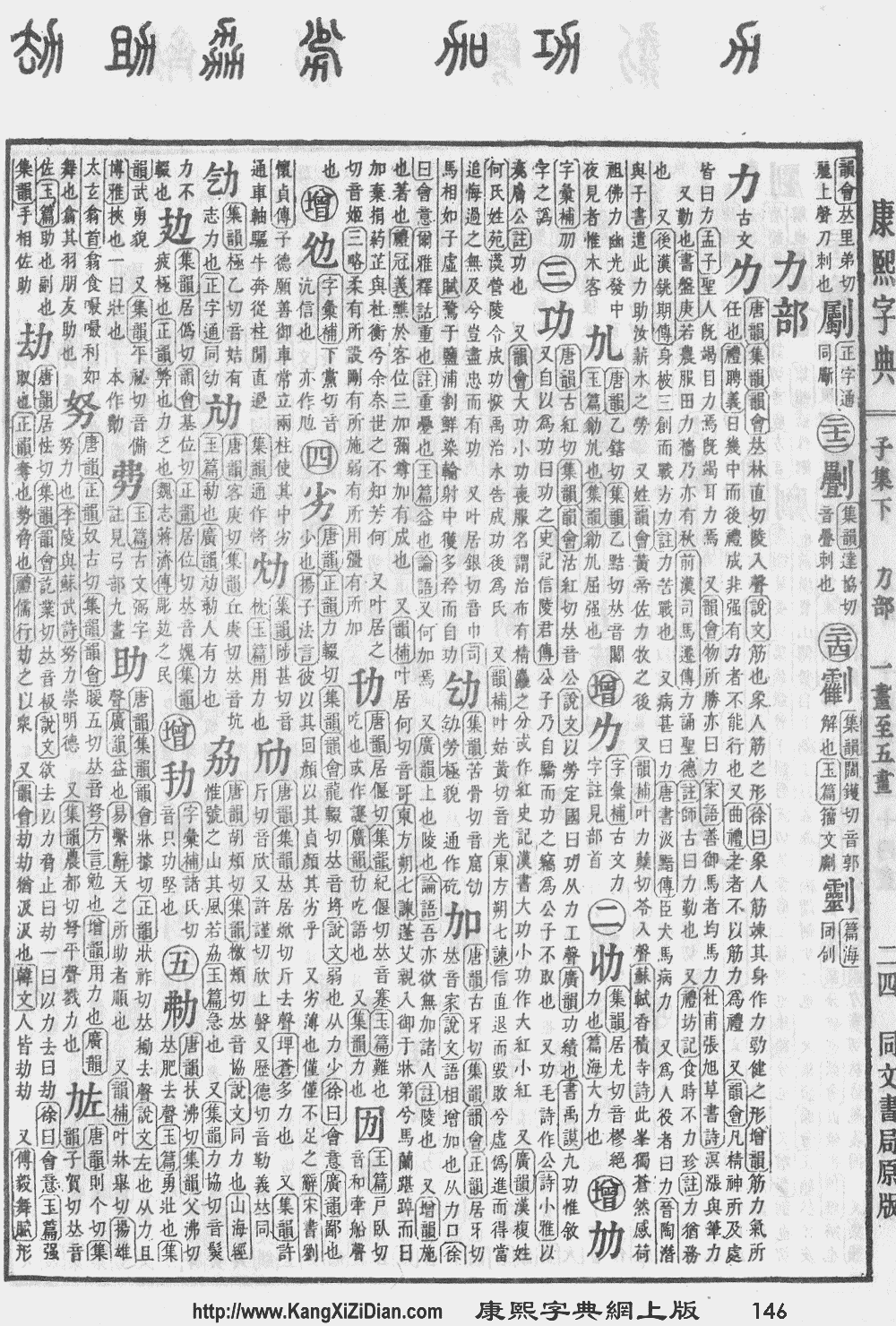
- Kangxi Dictionary: page 146, character 11
- Dai Kanwa Jiten: character 2295
- Dae Jaweon: page 328, character 6
- Hanyu Da Zidian (first edition): volume 1, page 365, character 8
- Unihan data for U+529F
Chinese
| simp. and trad. |
功 | |
|---|---|---|
| alternative forms | 㓛 | |
Glyph origin
| Historical forms of the character 功 |
|---|
| Liushutong (compiled in Ming) |
| Transcribed ancient scripts |
 |
Characters in the same phonetic series (工) (Zhengzhang, 2003)
| Old Chinese | |
|---|---|
| 缸 | *kroːŋ, *ɡroːŋ |
| 篢 | *kluːmʔ, *koːŋ |
| 贑 | *kluːmʔ |
| 涳 | *ŋr'oːŋ, *kʰroːŋ, *kʰoːŋ |
| 江 | *kroːŋ |
| 肛 | *kroːŋ, *qʰroːŋ |
| 扛 | *kroːŋ |
| 杠 | *kroːŋ |
| 豇 | *kroːŋ |
| 茳 | *kroːŋ |
| 釭 | *kroːŋ, *koːŋ, *kuːŋ |
| 矼 | *kroːŋ |
| 玒 | *kroːŋ, *koːŋ |
| 虹 | *kroːŋs, *koːŋs, *ɡoːŋ |
| 腔 | *kʰroːŋ |
| 崆 | *kʰroːŋ, *kʰoːŋ |
| 羫 | *kʰroːŋ |
| 控 | *kʰroːŋ, *kʰoːŋs |
| 椌 | *kʰroːŋ, *kʰoːŋ |
| 悾 | *kʰroːŋ, *kʰoːŋ, *kʰoːŋs |
| 跫 | *kʰroːŋ, *kʰoŋ, *ɡoŋ |
| 啌 | *qʰroːŋ |
| 谾 | *qʰroːŋ, *qʰoːŋ |
| 舡 | *qʰroːŋ |
| 缻 | *ɡroːŋ |
| 項 | *ɡroːŋʔ |
| 屸 | *ɡ·roːŋ |
| 功 | *koːŋ |
| 工 | *koːŋ |
| 疘 | *koːŋ |
| 魟 | *koːŋ, *qʰoːŋ, *ɡoːŋ |
| 攻 | *koːŋ, *kuːŋ |
| 愩 | *koːŋ |
| 碽 | *koːŋ |
| 貢 | *koːŋs |
| 羾 | *koːŋs |
| 空 | *kʰoːŋ, *kʰoːŋs |
| 箜 | *kʰoːŋ |
| 硿 | *kʰoːŋ |
| 埪 | *kʰoːŋ |
| 鵼 | *kʰoːŋ |
| 倥 | *kʰoːŋ, *kʰoːŋʔ, *kʰoːŋs |
| 鞚 | *kʰoːŋs |
| 叿 | *qʰoːŋ |
| 嗊 | *qʰoːŋʔ |
| 訌 | *ɡoːŋ |
| 紅 | *ɡoːŋ |
| 仜 | *ɡoːŋ |
| 葒 | *ɡoːŋ |
| 渱 | *ɡoːŋ |
| 鴻 | *ɡoːŋ, *ɡoːŋʔ |
| 汞 | *ɡoːŋʔ |
| 澒 | *ɡoːŋʔ |
| 鞏 | *koŋʔ |
| 巩 | *koŋʔ |
| 銎 | *kʰoŋ, *qʰoŋ |
| 恐 | *kʰoŋʔ, *kʰoŋs |
| 蛩 | *ɡoŋ |
| 筇 | *ɡoŋ |
| 桏 | *ɡoŋ |
| 邛 | *ɡoŋ |
Phono-semantic compound (形聲/形声, OC *koːŋ) and ideogrammic compound (會意/会意) : phonetic 工 (OC *koːŋ, “labour; work”) + semantic 力 (“strength”).
Etymology
Cognate with 工 (OC *koːŋ). See there for more.
Pronunciation
Definitions
功
- achievement; merit; good result
- (physics) work
- (Kung Fu 功夫) patient dedication and effort; wisdom achieved through a refined work
Compounds
- 一得之功 (yīdézhīgōng)
- 下功夫 (xià gōngfu)
- 不世之功
- 丑表功
- 九功
- 事倍功半 (shìbèi-gōngbàn)
- 事功 (shìgōng)
- 事半功倍 (shìbàn-gōngbèi)
- 五功 (Wǔgōng, “five pillars of Submission”)
- 五堂功課/五堂功课
- 以功補過/以功补过
- 以功覆過/以功覆过
- 以功贖罪/以功赎罪
- 何功之有
- 做功果
- 做功課/做功课 (zuò gōngkè)
- 傳播功能/传播功能 (chuánbō gōngnéng)
- 元功
- 內丹功/内丹功
- 內功/内功 (nèigōng)
- 全功
- 八功德水
- 前功 (qiángōng)
- 前功皆棄/前功皆弃
- 前功盡廢/前功尽废 (qiángōngjìnfèi)
- 前功盡棄/前功尽弃 (qiángōngjìnqì)
- 前功盡滅/前功尽灭
- 力倍功半
- 功不可沒/功不可没 (gōngbùkěmò)
- 功事
- 功人
- 功人功狗
- 功令
- 功位
- 功僅補過/功仅补过
- 功利 (gōnglì)
- 功利主義/功利主义 (gōnglìzhǔyì)
- 功利派
- 功利論/功利论
- 功力 (gōnglì)
- 功力悉敵/功力悉敌
- 加功
- 功勛/功勋 (gōngxūn)
- 功勞/功劳 (gōngláo)
- 功勞簿/功劳簿
- 功名 (gōngmíng)
- 功名利祿/功名利禄 (gōngmínglìlù)
- 功名富貴/功名富贵 (gōngmíng fùguì)
- 功名心
- 功同良相
- 功同賞異/功同赏异
- 功在漏刻
- 功在社稷
- 功均一匡
- 功均天地
- 功均柱地
- 功垂竹帛
- 功墮垂成/功堕垂成
- 功夫 (gōngfu)
- 功夫片
- 功就名成
- 功布
- 功庸
- 功微德薄 (gōngwēidébó)
- 功德 (gōngdé)
- 功德圓滿/功德圆满 (gōngdéyuánmǎn)
- 功德無量/功德无量 (gōngdéwúliàng)
- 功成 (gōngchéng)
- 功成不居
- 功成利達/功成利达
- 功成名就 (gōngchéngmíngjiù)
- 功成名立
- 功成名遂 (gōngchéngmíngsuì)
- 功成行滿/功成行满
- 功成身退 (gōngchéngshēntuì)
- 功效 (gōngxiào)
- 功效如神
- 功敗垂成/功败垂成 (gōngbàichuíchéng)
- 功曹 (gōngcáo)
- 功服
- 功果
- 功架
- 功業/功业 (gōngyè)
- 功業彪炳/功业彪炳
- 功沽
- 功流萬世/功流万世
- 功深
- 功濟宇內/功济宇内
- 功烈 (gōngliè)
- 功牌
- 功狗
- 功狗功人
- 功率 (gōnglǜ)
- 功率因數/功率因数
- 功率比
- 功率表
- 功用 (gōngyòng)
- 功田
- 功緻/功致
- 功績/功绩 (gōngjì)
- 功績制/功绩制
- 功罪
- 功能 (gōngnéng)
- 功能團體/功能团体 (gōngnéng tuántǐ)
- 功臣 (gōngchén)
- 功致
- 功虧一簣/功亏一篑 (gōngkuīyīkuì)
- 功行圓滿/功行圆满
- 功課/功课 (gōngkè)
- 功課表/功课表
- 功過/功过 (gōngguò)
- 功過參半/功过参半
- 功過相酬/功过相酬
- 功遂身退
- 功銘鼎彝
- 功首
- 功高
- 功高不賞/功高不赏
- 功高德重
- 功高望重
- 勞而無功/劳而无功
- 勞苦功高/劳苦功高 (láokǔgōnggāo)
- 化功
- 匿功
- 半箭之功
- 厥功甚偉/厥功甚伟
- 厥功至偉/厥功至伟
- 同功一體/同功一体
- 商功
- 喜功
- 坐功
- 報功/报功 (bàogōng)
- 外丹功
- 外功 (wàigōng)
- 多功能廳/多功能厅 (duōgōngnéngtīng)
- 大功 (dàgōng)
- 大功告成 (dàgōnggàochéng)
- 大功畢成/大功毕成
- 天功
- 奇功 (qígōng)
- 奏功 (zòugōng)
- 女功
- 好事貪功/好事贪功
- 好大喜功 (hàodàxǐgōng)
- 妨功害能
- 婦功/妇功
- 富貴功名/富贵功名
- 寸功 (cùngōng)
- 將功折罪/将功折罪
- 將功折過/将功折过
- 將功補過/将功补过 (jiānggōngbǔguò)
- 將功贖罪/将功赎罪
- 小功
- 尺寸之功 (chǐcùn zhī gōng)
- 居功 (jūgōng)
- 居功自傲 (jūgōngzì'ào)
- 居功自恃
- 崇德報功/崇德报功
- 帶罪立功/带罪立功 (dàizuìlìgōng)
- 年功
- 年功俸
- 幼功
- 床上功夫
- 建功
- 建功立事
- 建功立業/建功立业
- 彈指神功/弹指神功
- 徒勞無功/徒劳无功 (túláowúgōng)
- 德容言功
- 德言容功
- 急功近利 (jígōngjìnlì)
- 急功近名
- 恤功
- 慶功/庆功 (qìnggōng)
- 慢功
- 慶功宴/庆功宴 (qìnggōngyàn)
- 成功 (chénggōng)
- 成功大學/成功大学
- 成功嶺/成功岭
- 戰功/战功 (zhàngōng)
- 戰功彪炳/战功彪炳
- 戴罪圖功/戴罪图功
- 戴罪立功 (dàizuìlìgōng)
- 抽功夫
- 捍難之功/捍难之功
- 敘功/叙功
- 文德武功
- 文治武功 (wénzhìwǔgōng)
- 日起有功
- 有功 (yǒugōng)
- 期功
- 樹功揚名/树功扬名
- 樹功立業/树功立业 (shùgōng lìyè)
- 橫草之功/横草之功
- 歌功頌德/歌功颂德 (gēgōngsòngdé)
- 武功 (wǔgōng)
- 歲功/岁功
- 歸功/归功 (guīgōng)
- 殊功勁節/殊功劲节
- 毛髮之功/毛发之功
- 氣功/气功 (qìgōng)
- 氣功療法/气功疗法 (qìgōng liáofǎ)
- 汗馬之功/汗马之功
- 汗馬功勞/汗马功劳 (hànmǎgōngláo)
- 汗馬功績/汗马功绩
- 沒的功夫/没的功夫
- 治功
- 法輪功/法轮功 (Fǎlún Gōng)
- 澠池之功/渑池之功
- 無功/无功
- 無功不受祿/无功不受禄 (wúgōngbùshòulù)
- 無功受祿/无功受禄 (wúgōngshòulù)
- 無功受祿/无功受禄 (wúgōngshòulù)
- 無功而祿/无功而禄 (wúgōng'érlù)
- 無功而返/无功而返 (wúgōng'érfǎn)
- 照功行賞/照功行赏
- 爭功/争功
- 爭功諉過/争功诿过
- 特異功能/特异功能 (tèyì gōngnéng)
- 獻功/献功
- 班功行賞/班功行赏
- 用功 (yònggōng)
- 田功
- 白費功夫/白费功夫
- 百戰功高/百战功高
- 矜功
- 矜功不立
- 矜功伐善
- 矜功恃寵/矜功恃宠
- 矜功自伐
- 矜功負勝/矜功负胜
- 矜功負氣/矜功负气
- 磨功夫
- 神功 (shéngōng)
- 稱功頌德/称功颂德
- 積德累功/积德累功
- 立功 (lìgōng)
- 立功名
- 立功立事
- 立功自效
- 立功贖罪/立功赎罪
- 立大功
- 筆下功夫/笔下功夫
- 箱底功夫
- 絲髮之功/丝发之功
- 練功/练功 (liàngōng)
- 罪以功除
- 考功
- 聖功/圣功
- 肝功能 (gāngōngnéng)
- 肺功能 (fèigōngnéng)
- 膚功/肤功
- 花功
- 苦功 (kǔgōng)
- 荒功好頑/荒功好顽
- 蓋世功勛/盖世功勋
- 虛功/虚功
- 行成功滿/行成功满
- 行滿功圓/行满功圆
- 行滿功成/行满功成
- 表功 (biǎogōng)
- 要功
- 計功受爵/计功受爵
- 計功受賞/计功受赏
- 計功行賞/计功行赏
- 計功補過/计功补过
- 計日奏功/计日奏功
- 計日程功/计日程功
- 記功/记功
- 論功/论功
- 請功受賞/请功受赏
- 論功封賞/论功封赏
- 論功行封/论功行封
- 論功行賞/论功行赏 (lùngōngxíngshǎng)
- 豐功偉業/丰功伟业 (fēnggōngwěiyè)
- 豐功偉績/丰功伟绩 (fēnggōngwěijī)
- 豐功厚利/丰功厚利
- 豐功懋烈/丰功懋烈
- 豐功盛烈/丰功盛烈
- 貪功起釁/贪功起衅
- 貪天之功/贪天之功
- 賀功/贺功 (hègōng)
- 費功夫/费功夫
- 費日損功/费日损功
- 賞不當功/赏不当功
- 賣功/卖功 (màigōng)
- 賞功罰罪/赏功罚罪 (shǎng gōng fá zuì)
- 赫赫之功
- 起功局
- 身退功成
- 軍功/军功 (jūngōng)
- 輕功/轻功 (qīnggōng)
- 轉敗為功/转败为功
- 農功/农功 (nónggōng)
- 迄未成功
- 通功易事
- 運功/运功
- 邀功 (yāogōng)
- 鐵頭功/铁头功 (tiětóugōng)
- 門功/门功
- 阿保之功
- 陰功/阴功 (yīngōng)
- 難竟全功/难竟全功
- 電功率/电功率 (diàngōnglǜ)
- 霸功
- 非常之功
- 面壁功深
- 頂上功夫/顶上功夫
- 頭功/头功 (tóugōng)
- 首功 (shǒugōng)
- 馬到成功/马到成功 (mǎdào-chénggōng)
- 高功
- 鷹爪功/鹰爪功
References
- “功”, in 漢語多功能字庫 (Multi-function Chinese Character Database), 香港中文大學 (the Chinese University of Hong Kong), 2014–
Japanese
Noun
- a success, a great achievement
- (Can we date this quote?), “金正日将軍の歌 [Song of General Kim Jong-il]”:
- 青き海原 その功歌う
- Aoki unabara sono kō utau
- The blue seas sing his [Kim's] exploits in their songs.
- 青き海原 その功歌う
Etymology 2
| Kanji in this term |
|---|
| 功 |
| いさお Grade: 4 |
| kun’yomi |
| For pronunciation and definitions of 功 – see the following entry. | ||
| ||
| (This term, 功, is an alternative spelling of the above term.) |
Etymology 3
| Kanji in this term |
|---|
| 功 |
| いさお Grade: 4 |
| kun’yomi |
References
- Matsumura, Akira, editor (2006), 大辞林 [Daijirin] (in Japanese), Third edition, Tōkyō: Sanseidō, →ISBN
Korean
Vietnamese
This article is issued from Wiktionary. The text is licensed under Creative Commons - Attribution - Sharealike. Additional terms may apply for the media files.