板
| ||||||||
Translingual
| Stroke order | |||
|---|---|---|---|
 | |||
Han character
板 (Kangxi radical 75, 木+4, 8 strokes, cangjie input 木竹水 (DHE) or 難木竹水 (XDHE), four-corner 41947 or 42947, composition ⿰木反)
Derived characters
- 𥯈, 𨧸, 𫪒
References
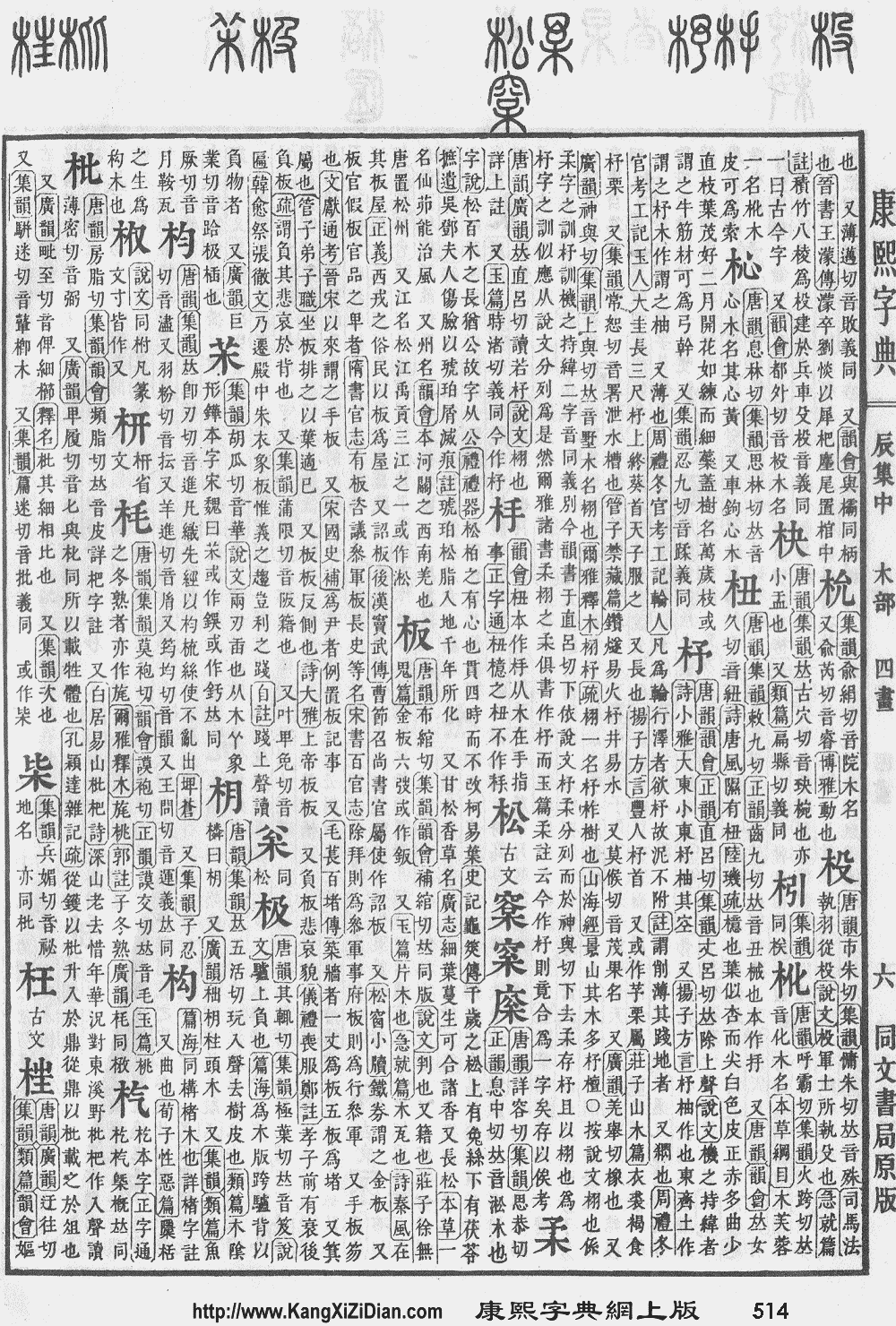
- Kangxi Dictionary: page 514, character 15
- Dai Kanwa Jiten: character 14518
- Dae Jaweon: page 902, character 2
- Hanyu Da Zidian (first edition): volume 2, page 1172, character 3
- Unihan data for U+677F
Chinese
Glyph origin
| Historical forms of the character 板 |
|---|
| Warring States |
| Chu slip and silk script |
 |
Characters in the same phonetic series (反) (Zhengzhang, 2003)
Phono-semantic compound (形聲/形声, OC *praːnʔ) : semantic 木 (“tree”) + phonetic 反 (OC *panʔ, *pʰan).
Officially adopted as the simplified form of 闆 (etymology 2) in the Chinese Character Simplification Scheme (《漢字簡化方案》) in 1956.
Etymology 1
| trad. | 板 | |
|---|---|---|
| simp. # | 板 | |
The same word as 版 (OC *praːnʔ, “plank”). Cognate with Tibetan འཕར ('phar, “panel; small plank”) (Schuessler, 2007).
Pronunciation
Definitions
板
- plank; board
- blackboard
- sluggish; stiff; inflexible
- to harden; hardened
- (Internet) board (sub-unit of a larger BBS or imageboard)
- (music) clapper
- (music) beat; meter; rhythm (in music or Chinese opera)
- 行板 ― xíngbǎn ― andante
- 散板 ― sǎnbǎn ― sanban
- to look serious or displeased
- (literary or Southern Min) wooden coffin
- (Southern Min) ability; capability; talent
- (Suzhounese) to have to; must
Compounds
- 一字一板 (yīzìyībǎn)
- 一板一眼 (yībǎnyīyǎn)
- 一板三眼 (yībǎnsānyǎn)
- 一鼓一板
- 七巧板 (qīqiǎobǎn)
- 七星板
- 七色板
- 三夾板/三夹板
- 三板 (sānbǎn)
- 下板兒/下板儿
- 三角板 (sānjiǎobǎn)
- 不對腔板/不对腔板
- 不鏽鋼板/不锈钢板
- 中原板蕩/中原板荡
- 中板 (zhōngbǎn)
- 二六板
- 介面板
- 代板
- 保麗龍板/保丽龙板
- 倒板
- 傳板/传板
- 儀表板/仪表板 (yíbiǎobǎn)
- 光板兒/光板儿
- 冷板凳 (lěngbǎndèng)
- 冷板曲
- 冷軋鋼板/冷轧钢板
- 刀板
- 刊板
- 刻板 (kèbǎn)
- 刻板印象 (kèbǎn yìnxiàng)
- 剛板硬正/刚板硬正
- 印板兒/印板儿
- 原板
- 反光板
- 叫板 (jiàobǎn)
- 古板 (gǔbǎn)
- 合板 (hébǎn)
- 吃板刀麵/吃板刀面
- 合板眼
- 吃釘板/吃钉板
- 呆板
- 呱嗒板兒/呱嗒板儿 (guādabǎnr)
- 啞板/哑板
- 單板/单板
- 圖板/图板
- 地板 (dìbǎn)
- 地板操
- 地板運動/地板运动
- 坐冷板凳 (zuò lěngbǎndèng)
- 坐板瘡/坐板疮
- 執板/执板
- 墊板/垫板
- 壽板/寿板 (shòubǎn)
- 大板
- 大板車/大板车 (dàbǎnchē)
- 大陸板塊/大陆板块
- 天花板 (tiānhuābǎn)
- 夾板/夹板 (jiābǎn)
- 夾板船/夹板船
- 宋板
- 官板兒/官板儿
- 導板/导板
- 導流板/导流板
- 尺板
- 尺板斗食
- 平板 (píngbǎn)
- 平板儀/平板仪
- 平板車/平板车 (píngbǎnchē)
- 床板 (chuángbǎn)
- 廣板/广板 (guǎngbǎn)
- 弦面板
- 快板 (kuàibǎn)
- 急板 (jíbǎn)
- 悶板/闷板
- 慢板 (mànbǎn)
- 截板
- 手板 (shǒubǎn)
- 手板子
- 打板
- 打板子 (dǎ bǎnzi)
- 打絕板/打绝板
- 打緊板/打紧板
- 打路莊板/打路庄板
- 把臉一板/把脸一板
- 拍板 (pāibǎn)
- 拘板
- 拿板弄勢/拿板弄势
- 拼花地板
- 搓板 (cuōbǎn)
- 搖板/摇板
- 摶風板/抟风板
- 散板
- 數位板/数位板 (shùwèibǎn)
- 新書看板/新书看板
- 明板
- 曲線板/曲线板
- 有板有眼 (yǒubǎnyǒuyǎn)
- 木心板
- 木板 (mùbǎn)
- 木板大鼓
- 木板畫/木板画
- 札板兒/札板儿
- 板上釘釘/板上钉钉 (bǎnshàngdìngdīng)
- 板主 (bǎnzhǔ)
- 板僵
- 板兒/板儿
- 板兒爺/板儿爷
- 板兒車/板儿车
- 板凳 (bǎndèng)
- 板刀
- 板刷 (bǎnshuā)
- 板呎
- 板報/板报 (bǎnbào)
- 板塊/板块 (bǎnkuài)
- 板塊構造/板块构造
- 板塊運動/板块运动
- 板壁 (bǎnbì)
- 板墻/板墙
- 板大頭子/板大头子
- 板子 (bǎnzi)
- 板屋
- 板岩 (bǎnyán)
- 板巾
- 板床 (bǎnchuáng)
- 板式 (bǎnshì)
- 板強/板强
- 板手
- 板搭
- 板搭饊子/板搭馓子
- 板擦 (bǎncā)
- 板斧 (bǎnfǔ)
- 板書/板书 (bǎnshū)
- 板材 (bǎncái)
- 板板 (bǎnbǎn)
- 板板六十四 (bǎnbǎn liùshísì)
- 板栗 (bǎnlì)
- 板根
- 板橋/板桥 (bǎnqiáo)
- 板正 (bǎnzhèng)
- 板死
- 板殼蟲/板壳虫
- 板沓
- 板沙 (bǎnshā)
- 板油 (bǎnyóu)
- 板滯/板滞 (bǎnzhì)
- 板煙/板烟 (bǎnyān)
- 板牆球/板墙球
- 板牙 (bǎnyá)
- 板球 (bǎnqiú)
- 板瓦 (bǎnwǎ)
- 板畫/板画
- 板皮
- 板直
- 板眼 (bǎnyǎn)
- 板硬 (bǎnyìng)
- 板築/板筑 (bǎnzhù)
- 板籍
- 板紙/板纸 (bǎnzhǐ)
- 板結/板结 (bǎnjié)
- 板羽球
- 板胡 (bǎnhú)
- 板腐
- 板腔體/板腔体 (bǎnqiāngtǐ)
- 板著臉/板著脸
- 板蕩/板荡 (bǎndàng)
- 板藍根/板蓝根 (bǎnlángēn)
- 板起臉/板起脸 (bǎnqǐliǎn)
- 板踏
- 板車/板车
- 板輿/板舆
- 板金 (bǎnjīn)
- 板金工作
- 板銼/板锉
- 板錄/板录
- 板門/板门
- 板門店/板门店 (Bǎnméndiàn)
- 板闥/板闼
- 板障 (bǎnzhàng)
- 板魚/板鱼
- 板鴨/板鸭 (bǎnyā)
- 板鼓 (bǎngǔ)
- 板齒/板齿
- 枷板
- 案板 (ànbǎn)
- 桌椅板凳 (zhuōyǐbǎndèng)
- 棺材板
- 榔板
- 極板/极板
- 樓板/楼板 (lóubǎn)
- 樣板/样板 (yàngbǎn)
- 模板 (múbǎn)
- 模板工
- 樣板戲/样板戏 (yàngbǎnxì)
- 檀板 (tánbǎn)
- 歌板
- 正手板
- 死板 (sǐbǎn)
- 毛板
- 波形板
- 泥板岩 (níbǎnyán)
- 活動看板/活动看板
- 流水板
- 洗衣板 (xǐyībǎn)
- 浪板
- 浮板 (fúbǎn)
- 淌板船
- 滑板 (huábǎn)
- 滑板車/滑板车 (huábǎnchē)
- 滑板運動/滑板运动
- 溜滑板
- 滑雪板 (huáxuěbǎn)
- 漲停板/涨停板
- 爛板洋錢/烂板洋钱
- 爛板烏龜/烂板乌龟
- 牙板
- 琛板
- 甘蔗板
- 甲板 (jiǎbǎn)
- 留言板
- 畫板/画板 (huàbǎn)
- 白板 (báibǎn)
- 白板單吊/白板单吊
- 白板天子
- 皮板兒/皮板儿
- 看板 (kānbǎn)
- 石板 (shíbǎn)
- 石板巷 (Shíbǎnxiàng)
- 砧板 (zhēnbǎn)
- 竹板 (zhúbǎn)
- 竹板書/竹板书
- 竹板歌
- 笏板
- 篩板/筛板
- 簡板/简板
- 籃板球/篮板球 (lánbǎnqiú)
- 粉板
- 粘板岩
- 紅牙板/红牙板
- 細胞板/细胞板 (xìbāobǎn)
- 經板兒/经板儿
- 綽板/绰板
- 綽板婆/绰板婆
- 線板兒/线板儿
- 繪圖板/绘图板
- 纖維板/纤维板
- 美耐板 (měinàibǎn)
- 翹翹板/翘翘板 (qiàoqiàobǎn)
- 老八板兒/老八板儿 (lǎobābǎnr)
- 老板 (lǎobǎn)
- 老板娘 (lǎobǎnniáng)
- 腳底板兒/脚底板儿 (jiǎodǐbǎnr)
- 腰板
- 腳板/脚板 (jiǎobǎn)
- 腰板兒/腰板儿 (yāobǎnr)
- 腰板脖硬
- 腳踏板/脚踏板
- 膊風板/膊风板
- 舢板 (shānbǎn)
- 舢板運動/舢板运动
- 艎板
- 蓋天板/盖天板
- 號板/号板
- 螢光板/萤光板
- 蠟板/蜡板
- 血小板 (xuèxiǎobǎn)
- 行板 (xíngbǎn)
- 製圖板/制图板
- 詔板/诏板
- 調色板/调色板 (tiáosèbǎn)
- 象板
- 負手板/负手板
- 走板 (zǒubǎn)
- 走板眼
- 趿拉板兒/趿拉板儿 (tālabǎnr)
- 跌停板
- 跳板 (tiàobǎn)
- 踢到鐵板/踢到铁板
- 踏板 (tàbǎn)
- 踏足板
- 蹺蹺板/跷跷板 (qiāoqiāobǎn)
- 過橋抽板/过桥抽板 (guòqiáochōubǎn)
- 過河抽板/过河抽板
- 遮光板
- 鄭板橋/郑板桥
- 金錢板/金钱板 (jīnqiánbǎn)
- 鉛板/铅板
- 銅板/铜板 (tóngbǎn)
- 銅琵鐵板/铜琵铁板
- 鋪板/铺板 (pùbǎn)
- 鋁板/铝板
- 鋼板/钢板 (gāngbǎn)
- 錢板兒/钱板儿
- 鐵拍板/铁拍板
- 鐵板/铁板 (tiěbǎn)
- 鐵板大鼓/铁板大鼓 (tiěbǎn dàgǔ)
- 鐵板快書/铁板快书
- 鐵板燒/铁板烧 (tiěbǎnshāo)
- 鐵板註腳/铁板注脚
- 鐵板路/铁板路
- 長板/长板
- 門板/门板 (ménbǎn)
- 開新板/开新板
- 閘板/闸板
- 隔板
- 隔音板
- 雜板令/杂板令
- 雲板/云板
- 電子看板/电子看板
- 電腦看板/电脑看板
- 電路板/电路板 (diànlùbǎn)
- 露板
- 面板 (miànbǎn)
- 響板/响板 (xiǎngbǎn)
- 頭板/头板
- 風浪板/风浪板
- 飛行甲板/飞行甲板
- 魔板
- 魚板/鱼板 (yúbǎn)
- 魚鼓簡板/鱼鼓简板
- 鳴榔板/鸣榔板
- 鶴板/鹤板
- 黑板 (hēibǎn)
- 黑漆板凳 (hēiqī bǎndèng)
- 鼓板 (gǔbǎn)
Etymology 2
| For pronunciation and definitions of 板 – see 闆 (“used in 老闆”). (This character is the simplified form of 闆). |
Notes:
|
Etymology 3
| For pronunciation and definitions of 板 – see 辦 (“sample”). (This character is a variant form of 辦). |
References
- “板”, in 漢語多功能字庫 (Multi-function Chinese Character Database), 香港中文大學 (the Chinese University of Hong Kong), 2014–
Japanese
Noun
板 • (ita)
Derived terms
References
- Matsumura, Akira, editor (2006), 大辞林 [Daijirin] (in Japanese), Third edition, Tōkyō: Sanseidō, →ISBN
- NHK Broadcasting Culture Research Institute, editor (1998), NHK日本語発音アクセント辞典 [NHK Japanese Pronunciation Accent Dictionary] (in Japanese), Tōkyō: NHK Publishing, →ISBN
Korean
Etymology
(This etymology is missing or incomplete. Please add to it, or discuss it at the Etymology scriptorium. Particularly: “Middle Korean readings, if any”)
Pronunciation
- (SK Standard/Seoul) IPA(key): [pʰa̠n]
- Phonetic hangul: [판]
Compounds
Vietnamese
This article is issued from Wiktionary. The text is licensed under Creative Commons - Attribution - Sharealike. Additional terms may apply for the media files.