是
| ||||||||
Translingual
| Stroke order | |||
|---|---|---|---|
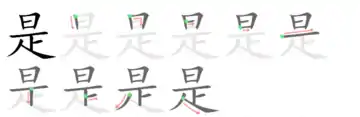 | |||
| Stroke order | |||
|---|---|---|---|
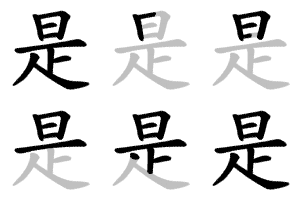 | |||
Han character
是 (Kangxi radical 72, 日+5, 9 strokes, cangjie input 日一卜人 (AMYO), four-corner 60801, composition ⿱日𤴓 or ⿱旦龰)
- Shuowen Jiezi radical №32
Derived characters
References
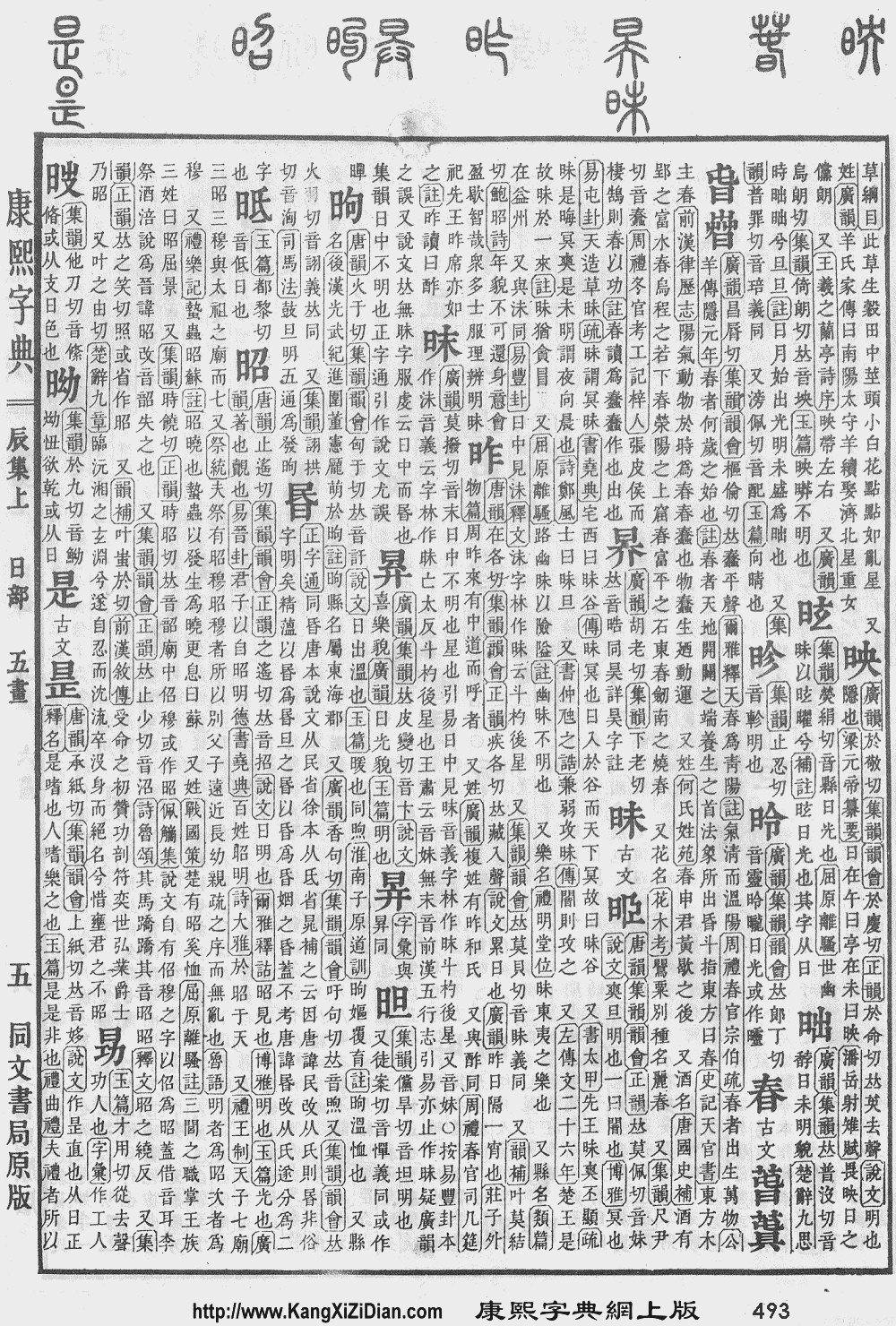
- Kangxi Dictionary: page 493, character 26
- Dai Kanwa Jiten: character 13859
- Dae Jaweon: page 858, character 6
- Hanyu Da Zidian (first edition): volume 2, page 1497, character 5
- Unihan data for U+662F
Chinese
| simp. and trad. |
是 | |
|---|---|---|
| alternative forms | 昰 𣆞 | |
Glyph origin
| Historical forms of the character 是 | |||||||
|---|---|---|---|---|---|---|---|
| Western Zhou | Spring and Autumn | Warring States | Shuowen Jiezi (compiled in Han) | Liushutong (compiled in Ming) | |||
| Bronze inscriptions | Bronze inscriptions | Bronze inscriptions | Chu slip and silk script | Qin slip script | Shizhoupian script | Small seal script | Transcribed ancient scripts |
 |
 |
 |
 |
 |
 |
 |
 |
| Old Chinese | |
|---|---|
| 鞮 | *teː |
| 隄 | *teː, *deː |
| 堤 | *teː, *teːʔ, *dje |
| 鍉 | *teː |
| 蝭 | *teːs, *deː |
| 醍 | *tʰeːʔ, *deː |
| 緹 | *tʰeːʔ, *deː |
| 提 | *deː, *dje |
| 瑅 | *deː |
| 題 | *deː, *deːs |
| 媞 | *deː, *deːʔ, *djeʔ |
| 褆 | *deː, *deʔ, *djeʔ |
| 禔 | *deː, *tje, *dje |
| 騠 | *deː |
| 趧 | *deː |
| 鯷 | *deː, *deːs, *djes |
| 踶 | *deːs, *deʔ |
| 徥 | *deʔ, *djeʔ |
| 匙 | *dje |
| 是 | *djeʔ |
| 諟 | *djeʔ |
| 翨 | *hljes, *kles |
| 睼 | *tʰeːns |
| 寔 | *djɯɡ |
| 湜 | *dɯɡ |
| 遈 | *djɯɡ |
Originally a phono-semantic compound (形聲/形声, OC *djeʔ) : semantic 早 + phonetic 止 (OC *kjɯʔ), but the original meaning is unclear. It has been suggested that 早 looks like a spoon, so 是 may have been the original character for 匙 (OC *dje, “spoon”). As early as in late bronze inscriptions, the lower part of 早 split off and combined with 止 to give 昰, which carried over to the small seal script, and Shuowen considers this a compound of 日 (“sun”) + 正 (“upright; right”) (i.e. as the upright sun).
Etymology
“This [an independent pronoun] > this, it [object recapitulation], be right, correct, so > to be, indeed”. The modern copulative sense only emerged by the Eastern Han dynasty (Dobson, 1964; Norman, 1988; Zürcher, 2013), and gradually replaced the archaic 唯 (OC *ɢʷi, “to be”) and the classical copulative construction with 也 (OC *laːlʔ).
This was due to the lack of a left-branching copula as archaic 唯 shifted into a contrasting and restricting particle, as well as its frequent use in presentational copulative constructions, often in the form of "A, 是 B 也" ("A, this is B"), which led to it being gradually reinterpreted as the copula instead of 也. Also note the semantic opposition with literary negative copula 非 (OC *pɯl) as in "right" and "wrong", which emerged by the Warring States period from the frequent collocation of the expression "是 X 也, 非 Y 也" (This is X, not Y) (Pulleyblank, 1995) .
To understand this development, compare 之 (OC *tjɯ, “him, it, this > possessive”), 其 (OC *kɯ, “he, his, its > dialectal possessive”). Compare French c’est which in colloquial speech often replaces copula est, as well as Japanese は, the topic particle like Old Chinese 者 (OC *tjaːʔ), 也 (OC *laːlʔ, “topicalizer”) and left-branching 夫 (OC *ba), but frequently misinterpreted as the copula by learners.
From Proto-Sino-Tibetan *m-daj ~ m-di (“that; this”). In Chinese, cognate with 寔 (OC *djɯɡ, “this (subject contrastive)”), 實 (OC *ɦliɡ, “this (subject contrastive)”), 之 (OC *tjɯ, “this; him; her; it (oblique)”), 諟 (OC *djeʔ, “to examine, to consider”). In Tibeto-Burman, cognate with Tibetan དེ (de, “that”), Jingpho dai, ndai (“this”), and Burmese ဒီ (di, “this”).
Pronunciation 1
Definitions
是
- (literary) this; this thing
- 是日 ― shìrì ― this day
- (literary, archaic) a pronoun that refers to an anteposed object of the verb, usually introduced by the a topicalizer or constrative like 唯 in the form of 唯 …… 是 + V, adding emphasis to the object of the verb. Compare 之 (zhī), which as a pronoun can also refers to the topic as the object, and in earlier forms was also placed before the verb.
- 唯余馬首是瞻 [Classical Chinese, trad.]
- From: Commentary of Zuo, c. 4th century BCE
- wéi yú mǎ shǒu shì zhān [Pinyin]
- Just look at my horse's head
唯余马首是瞻 [Classical Chinese, simp.]
- 今商王受,惟婦言是用。昏棄厥肆祀,弗答;昏棄厥遺王父母弟,不迪。乃惟四方之多罪逋逃,是崇是長,是信是使,是以為大夫卿士,俾暴虐于百姓,以奸宄于商邑。 [Classical Chinese, trad.]
- From: The Book of Documents, circa 4th – 3rd century BCE
- Jīn Shāng wáng Shòu, wéi fù yán shì yòng. Hūn qì jué sì sì, fú dá; hūn qì jué yí wáng fùmǔ dì, bù dí. Nǎi wéi sìfāng zhī duō zuì bū táo, shì chóng shì cháng, shì xìn shì shǐ, shì yǐwèi dàfū qīng shì, bǐ bàonüè yú bǎixìng, yǐ jiānguǐ yú Shāng yì. [Pinyin]
- Now Show, the king of Shang, follows only the words of his wife. He has blindly thrown away the sacrifices which he should present, and makes no response [for the favours which he has received] ; he has blindly thrown away his paternal and maternal relatives, not treating them properly. They are only the vagabonds of the empire, loaded with crimes, whom he honours and exalts, whom he employs and trusts, making them great officers and nobles, so that they can tyrannize over the people, exercising their villainies in the city of Shang.
今商王受,惟妇言是用。昏弃厥肆祀,弗答;昏弃厥遗王父母弟,不迪。乃惟四方之多罪逋逃,是崇是长,是信是使,是以为大夫卿士,俾暴虐于百姓,以奸宄于商邑。 [Classical Chinese, simp.]
- (copulative) to be
- indicating that the subject and object are the same.
- indicating that the subject has the qualities described by a noun or noun phrase.
- indicating a place being occupied by the object, where the place forms the subject.
- indicating that the subject and object are the same.
- a particle emphasizing the word following it.
- a particle showing agreement. In this meaning, 是 is stressed. truly; indeed.
- a particle used in an alternative or a negative question
- (in affirmative answers) yes; right
- true; correct
- 不是 ― búshì ― fault; mistake; wrongdoing
- 你說得是/你说得是 ― nǐ shuō de shì ― What you said is right
- 各行其是 ― gè xíng qí shì ― to have each going his own way, i.e., doing what he considers right
- 共商國是/共商国是 ― gòng shāng guóshì ― to discuss national affairs (This is a fossil word from Ancient Chinese where 是 (OC *djeʔ) originally means "what is right (for the country)", i.e., "laws and policies")
- 彼人是哉!子曰何其? [Pre-Classical Chinese, trad. and simp.]
- From: The Classic of Poetry, c. 11th – 7th centuries BCE, translated based on James Legge's version
- Bǐrén shì zāi! Zǐ yuē hé qí? [Pinyin]
- Those men are / That man is right! What do you mean by your words?
- a surname
Usage notes
When translated as "to be", 是 is used only to link two nouns or nominal expressions.
是 is not used to link a noun and an adjective. The following sentence would be incorrect:
The correct sentence is
Here, 很 (hěn) is used as a filler to link a noun and an adjective and is not interpreted as "very".
A way to use 是 with an adjective is to use 的 (de) after the adjective to turn it into a noun.
Synonyms
Descendants
- Wutunhua: hai
Compounds
- 一無是處/一无是处 (yīwúshìchù)
- 一身是膽/一身是胆 (yīshēnshìdǎn)
- 不完全是
- 不是
- 不是不
- 不是了處/不是了处
- 不是事
- 不是人
- 不是個兒/不是个儿
- 不是別人/不是别人
- 不是味
- 不是東西/不是东西 (bùshì dōngxi)
- 不是樣兒/不是样儿
- 不是沒有/不是没有
- 不是滋味 (bùshì zīwèi)
- 不是玩的
- 不是算
- 不是耍處/不是耍处
- 不是處/不是处
- 不是話/不是话
- 不是話頭/不是话头
- 不是路
- 不是過/不是过
- 不是頑的/不是顽的
- 不是頭/不是头
- 不是頭勢/不是头势
- 不是頭路/不是头路
- 不是風犯/不是风犯
- 不睹是
- 不賭是/不赌是
- 不過是/不过是
- 且是
- 並不是/并不是
- 乃是 (nǎishì)
- 也就是
- 也是 (yěshì)
- 事實求是/事实求是
- 事求是
- 于是 (yúshì)
- 亡是公
- 人我是非
- 仍是 (réngshì)
- 今是昨非
- 以是 (yǐshì)
- 伏不是
- 作如是觀/作如是观 (zuò rú shì guān)
- 但是 (dànshì)
- 似是而非 (sìshì'érfēi)
- 來者是客/来者是客
- 便是 (biànshì)
- 信是
- 便是呢
- 倒不是
- 值得注意的是
- 俯拾即是
- 俯拾皆是 (fǔshíjiēshì)
- 倒是 (dàoshì)
- 做不是
- 假假若是
- 像是 (xiàngshì)
- 兀是
- 先是 (xiānshì)
- 光是
- 全是 (quánshì)
- 凡是 (fánshì)
- 分辨是非
- 利是 (lìshì)
- 則是/则是 (zéshì)
- 十如是
- 即是 (jíshì)
- 卻是/却是 (quèshì)
- 原因是
- 原是 (yuánshì)
- 又是
- 口是心非 (kǒushìxīnfēi)
- 可不是 (kěbù shì)
- 只是 (zhǐshì)
- 可是 (kěshì)
- 可是來/可是来
- 可正是
- 可知是好
- 合是
- 各行其是 (gèxíngqíshì)
- 唯利是圖/唯利是图 (wéilìshìtú)
- 唯利是從/唯利是从
- 唯利是求
- 唯利是視/唯利是视
- 唯命是從/唯命是从 (wéimìngshìcóng)
- 唯命是聽/唯命是听 (wéimìngshìtīng)
- 唾是命
- 唯是命題/唯是命题
- 單則是/单则是
- 回頭是岸/回头是岸 (huítóu shì àn)
- 國是/国是 (guóshì)
- 多少是好
- 多得是
- 多是
- 多管是
- 大不應是/大不应是
- 大不是
- 大是
- 大是不同
- 大是大非 (dàshìdàfēi)
- 大睹是
- 大管是
- 如何是好
- 好是 (hǎoshì)
- 如是 (rúshì)
- 如是我聞/如是我闻 (rúshìwǒwén)
- 實事求是/实事求是 (shíshìqiúshì)
- 尋是尋非/寻是寻非
- 對不是/对不是
- 尤其是 (yóuqíshì)
- 就是 (jiùshì)
- 師心自是/师心自是
- 很是
- 怕不是
- 怕是 (pàshì)
- 惟利是圖/惟利是图 (wéilìshìtú)
- 惟利是營/惟利是营
- 惟利是逐
- 惟力是視/惟力是视
- 惟命是從/惟命是从 (wéimìngshìcóng)
- 惟命是聽/惟命是听 (wéimìngshìtīng)
- 惹是招非
- 惹是生非 (rěshìshēngfēi)
- 或是 (huòshì)
- 抑是 (yìshì)
- 扯是搬非
- 扭是為非/扭是为非
- 招是惹非
- 招是攬非/招是揽非
- 挑撥是非/挑拨是非
- 掠是搬非
- 搬弄是非 (bānnòngshìfēi)
- 搬是造非
- 撥弄是非/拨弄是非
- 擔不是/担不是
- 敢則是/敢则是
- 敢只是
- 敢是
- 敢莫是
- 於是/于是 (yúshì)
- 於是乎/于是乎 (yúshìhū)
- 既是 (jìshì)
- 早是
- 明辨是非 (míngbiànshìfēi)
- 是不是 (shìbùshì)
- 是事
- 是以 (shìyǐ)
- 是件
- 是但
- 是則/是则
- 是古非今
- 是否 (shìfǒu)
- 是味兒/是味儿
- 是啥說啥/是啥说啥
- 是必 (shìbì)
- 是故 (shìgù)
- 是日 (shìrì)
- 是是非非 (shìshìfēifēi)
- 是時/是时 (shìshí)
- 是樣兒/是样儿
- 是正 (shìzhèng)
- 是父是子
- 是的 (shìde)
- 是處/是处
- 是長是短/是长是短
- 是非 (shìfēi)
- 是非不分 (shìfēibùfēn)
- 是非之地
- 是非之心
- 是非人我
- 昨非今是
- 是非分明 (shìfēifēnmíng)
- 是非善惡/是非善恶
- 是非堆
- 是非得失
- 是非曲直 (shìfēiqūzhí)
- 是非自有公論/是非自有公论
- 是非莫辨
- 是非題/是非题 (shìfēití)
- 是非顛倒/是非颠倒 (shìfēidiāndǎo)
- 是非黑白 (shìfēihēibái)
- 是須/是须
- 有的是 (yǒudeshì)
- 本是 (běnshì)
- 果如是言
- 柳如是
- 橫是/横是
- 正是 (zhèngshì)
- 毋是 (m̄ sī)
- 比比皆是 (bǐbǐjiēshì)
- 比肩皆是
- 求是
- 沒個是處/没个是处
- 沒是哏/没是哏
- 沒是處/没是处
- 沒有不是/没有不是
- 沉默是金 (chénmò shì jīn)
- 派不是
- 混淆是非
- 渾是/浑是
- 渾身是膽/浑身是胆
- 滿是/满是 (mǎnshì)
- 滿滿是/满满是 (móa-móa-sī) (Min Nan)
- 為的是/为的是
- 無是無非/无是无非
- 無是處/无是处
- 煞是 (shàshì)
- 物是人非 (wùshìrénfēi)
- 犯不是
- 猶是/犹是
- 獨行其是/独行其是
- 甚是 (shènshì)
- 生是
- 用是
- 由是 (yóushì)
- 番番是福
- 當是/当是 (dāngshì)
- 百無一是/百无一是 (bǎiwúyīshì)
- 的是
- 皆是 (jiēshì)
- 盡是/尽是 (jìnshì)
- 直是
- 真是 (zhēnshì)
- 硬是 (yìngshì)
- 硬是要得
- 確是/确是 (quèshì)
- 祇是
- 稱是/称是
- 積非成是/积非成是 (jīfēichéngshì)
- 空即是色 (kōng jí shì sè)
- 算是 (suànshì)
- 索是
- 總是/总是 (zǒngshì)
- 義方是訓/义方是训
- 習非勝是/习非胜是
- 習非成是/习非成是 (xífēichéngshì)
- 老是 (lǎoshì)
- 而是 (érshì)
- 職是/职是
- 自以為是/自以为是 (zìyǐwéishì)
- 自是 (zìshì)
- 自行其是 (zìxíngqíshì)
- 若是 (ruòshì)
- 莫不是 (mòbùshì)
- 莫敢是
- 莫是
- 莫衷一是 (mòzhōngyīshì)
- 莫衷壹是
- 落不是 (làobùshi)
- 要不是 (yàobùshì)
- 要是 (yàoshi)
- 見風是雨/见风是雨
- 觸目皆是/触目皆是
- 說一是一/说一是一
- 說不是/说不是
- 說是談非/说是谈非
- 論列是非/论列是非
- 豈不是/岂不是 (qǐbùshì)
- 貌是情非
- 賠不是/赔不是 (péi bùshi)
- 賠個不是/赔个不是
- 這的是/这的是
- 過是/过是
- 道謀是用/道谋是用
- 還是/还是 (háishì)
- 那倒是
- 那是 (nàshì)
- 重要的是
- 閑是閑非/闲是闲非
- 阿是穴 (āshìxué)
- 陪不是 (péi bùshi)
- 雖是/虽是
- 非昔是今
- 竟是 (jìngshì)
- 須不是/须不是
- 須是/须是
- 頭頭是道/头头是道 (tóutóushìdào)
- 顛倒是非/颠倒是非 (diāndǎoshìfēi)
- 馬是得/马是得
- 馬首是瞻/马首是瞻 (mǎshǒushìzhān)
References
- “是”, in 漢語多功能字庫 (Multi-function Chinese Character Database), 香港中文大學 (the Chinese University of Hong Kong), 2014–
- “Entry #5013”, in 臺灣閩南語常用詞辭典 [Dictionary of Frequently-Used Taiwan Minnan] (overall work in Mandarin and Hokkien), Ministry of Education, R.O.C., 2023.
Japanese
Readings
Etymology 1
| Kanji in this term |
|---|
| 是 |
| ぜ Grade: S |
| goon |
Etymology 2
| Kanji in this term |
|---|
| 是 |
| これ Grade: S |
| kun’yomi |
| For pronunciation and definitions of 是 – see the following entry. | ||
| ||
| (This term, 是, is an alternative spelling of the above term.) |
References
- Matsumura, Akira, editor (2006), 大辞林 [Daijirin] (in Japanese), Third edition, Tōkyō: Sanseidō, →ISBN
Korean
Old Korean
Etymology 1
A semantically adopted phonogram (hun'gaja). 是 means "this" in Chinese, and the native Korean word for "this" is 이 (i).
Etymology 2
A phonetically adopted phonogram (eum'gaja), from the Middle Chinese reading 是 (MC dzyeX).