牁
| ||||||||
Translingual
Han character
牁 (Kangxi radical 90, 爿+5, 9 strokes, cangjie input 女一一弓口 (VMMNR), four-corner 27220, composition ⿰爿可)
References
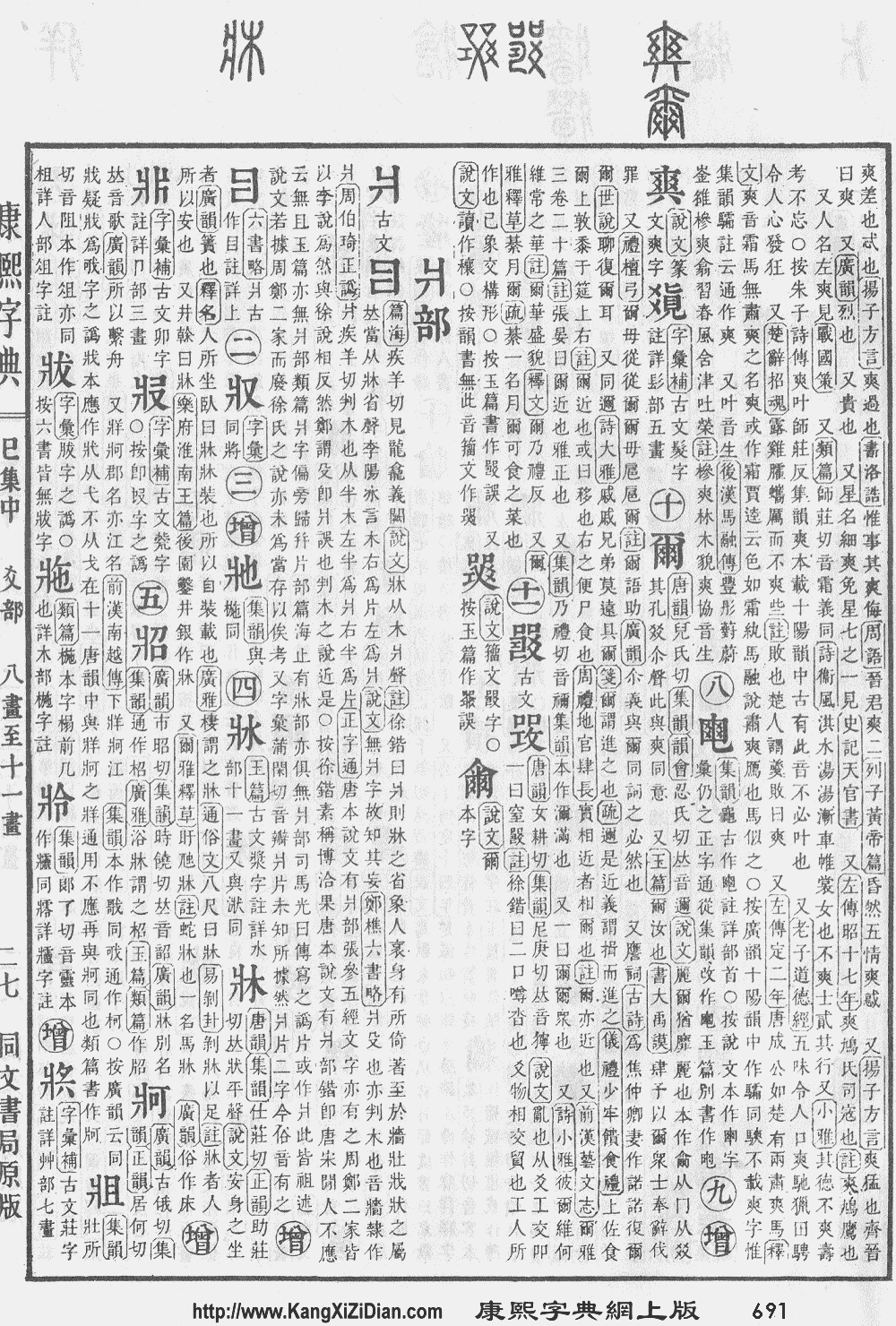
- Kangxi Dictionary: page 691, character 19
- Dai Kanwa Jiten: character 19767
- Dae Jaweon: page 1104, character 16
- Hanyu Da Zidian (first edition): volume 4, page 2374, character 8
- Unihan data for U+7241
Chinese
| simp. and trad. |
牁 | |
|---|---|---|
| alternative forms | 牱 | |
Glyph origin
Characters in the same phonetic series (可) (Zhengzhang, 2003)
| Old Chinese | |
|---|---|
| 砢 | *ɡ·raːlʔ |
| 柯 | *kaːl |
| 菏 | *kaːl, *ɡaːl |
| 牁 | *kaːl |
| 滒 | *kaːl |
| 哥 | *kaːl |
| 歌 | *kaːl |
| 謌 | *kaːl |
| 鴚 | *kaːl |
| 哿 | *kaːlʔ |
| 舸 | *kaːlʔ |
| 笴 | *kaːlʔ, *kaːnʔ |
| 軻 | *kʰaːl, *kʰaːlʔ, *kʰaːls |
| 珂 | *kʰaːl |
| 可 | *kʰaːlʔ |
| 岢 | *kʰaːlʔ |
| 坷 | *kʰaːlʔ, *kʰaːls |
| 蚵 | *kʰaːls, *ɡaːl |
| 呵 | *qʰaːl, *qʰaːls |
| 訶 | *qʰaːl |
| 抲 | *qʰaːl |
| 荷 | *qʰaːls, *ɡaːl, *ɡaːlʔ |
| 何 | *ɡaːl, *ɡaːlʔ |
| 河 | *ɡaːl |
| 苛 | *ɡaːl |
| 魺 | *ɡaːl |
| 袔 | *ɡaːls |
| 阿 | *qaːl |
| 妸 | *qaːl, *qaːlʔ |
| 疴 | *qaːl, *kʰraːls |
| 鈳 | *qaːl |
| 娿 | *qaːl, *qaːlʔ |
| 痾 | *qaːl |
| 跒 | *kʰraːlʔ |
| 閜 | *qʰraːlʔ |
Pronunciation
Definitions
牁
- Only used in 牂牁.
Japanese
Kanji
牁
- This term needs a translation to English. Please help out and add a translation, then remove the text
{{rfdef}}.
This article is issued from Wiktionary. The text is licensed under Creative Commons - Attribution - Sharealike. Additional terms may apply for the media files.