閉
| ||||||||
Translingual
Han character
閉 (Kangxi radical 169, 門+3, 11 strokes, cangjie input 日弓木竹 (ANDH), four-corner 77247, composition ⿵門才)
References
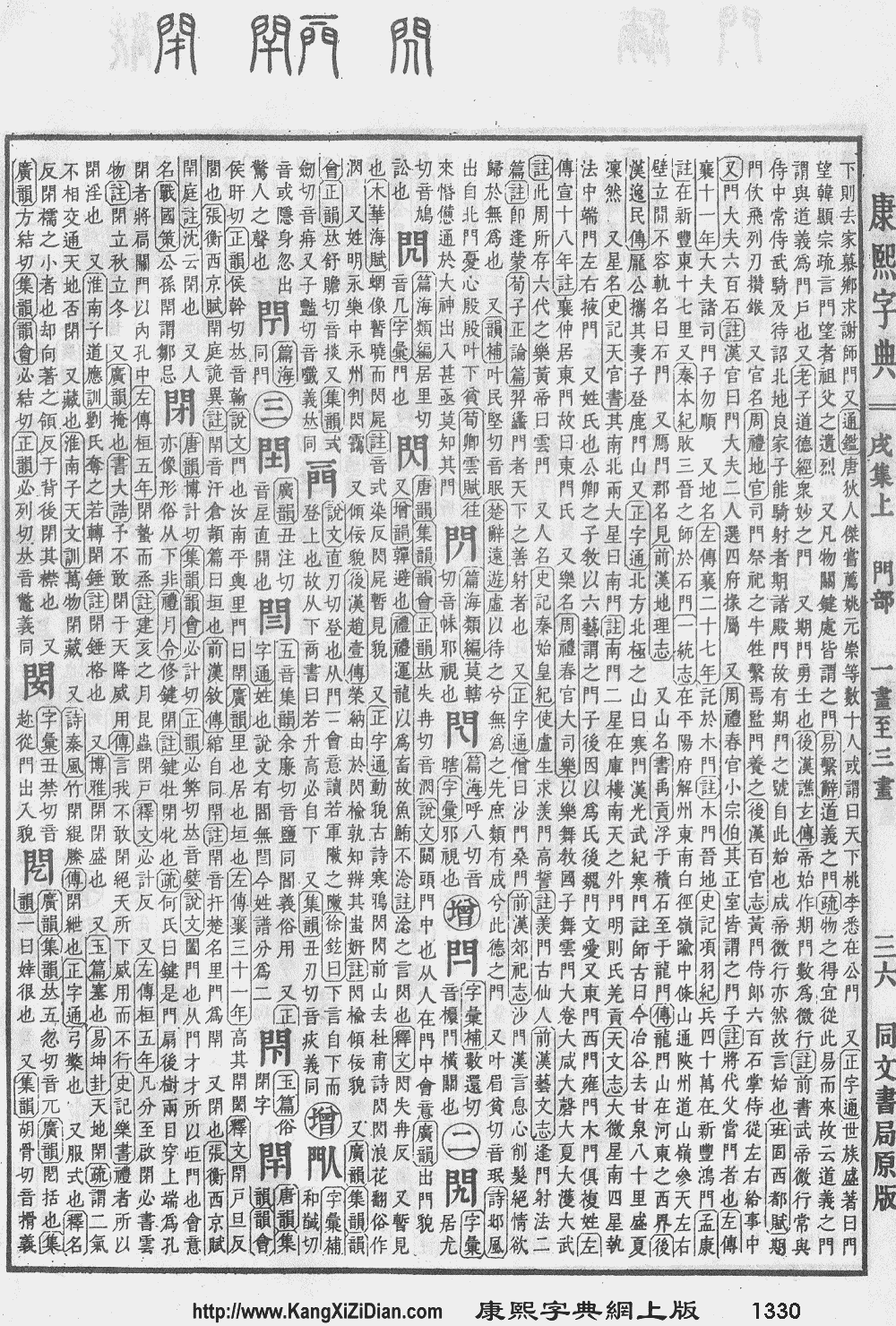
- Kangxi Dictionary: page 1330, character 14
- Dai Kanwa Jiten: character 41222
- Dae Jaweon: page 1835, character 5
- Hanyu Da Zidian (first edition): volume 7, page 4283, character 8
- Unihan data for U+9589
Chinese
| trad. | 閉 | |
|---|---|---|
| simp. | 闭 | |
| alternative forms | 閇 | |
Pronunciation
Synonyms
Dialectal synonyms of 關 (“to close (a door, gate, etc.)”) [map]
| Variety | Location | Words |
|---|---|---|
| Formal (Written Standard Chinese) | 關, 閉 | |
| Mandarin | Taiwan | 關 |
| Wanrong | 關 | |
| Xi'an | 關 | |
| Yinchuan | 關 | |
| Wuhan | 關 | |
| Malaysia | 關 | |
| Singapore | 關 | |
| Cantonese | Guangzhou | 閂 |
| Hong Kong | 閂 | |
| Taishan | 閂 | |
| Singapore (Guangfu) | 閂 | |
| Gan | Nanchang | 關 |
| Pingxiang | 關 | |
| Hakka | Meixian | 關 |
| Miaoli (N. Sixian) | 關 | |
| Pingtung (Neipu; S. Sixian) | 關 | |
| Hsinchu County (Zhudong; Hailu) | 關 | |
| Taichung (Dongshi; Dabu) | 關 | |
| Hsinchu County (Qionglin; Raoping) | 關 | |
| Yunlin (Lunbei; Zhao'an) | 關 | |
| Eastern Min | Fuzhou | 關 |
| Southern Min | Taipei | 關 |
| New Taipei (Sanxia) | 關 | |
| Kaohsiung | 關 | |
| Yilan | 關 | |
| Changhua (Lukang) | 關 | |
| Taichung | 關 | |
| Tainan | 關 | |
| Hsinchu | 關 | |
| Kinmen | 關 | |
| Penghu (Magong) | 關 | |
| Penang (Hokkien) | 崁 | |
| Singapore (Hokkien) | 關 | |
| Shantou | 關 | |
| Singapore (Teochew) | 關 | |
| Singapore (Hainanese) | 關 | |
Compounds
- 倒閉/倒闭 (dǎobì)
- 停閉/停闭
- 全閉音/全闭音
- 半閉元音/半闭元音
- 吃閉門羹/吃闭门羹 (chī bìméngēng)
- 壅閉/壅闭
- 夜不閉戶/夜不闭户 (yèbùbìhù)
- 家嘈屋閉/家嘈屋闭
- 密閉/密闭 (mìbì)
- 封閉/封闭 (fēngbì)
- 封閉社會/封闭社会
- 巴閉/巴闭
- 幽閉/幽闭 (yōubì)
- 惡性倒閉/恶性倒闭
- 掩閉/掩闭 (yǎnbì)
- 啟閉/启闭
- 月閉花羞/月闭花羞
- 死不閉目/死不闭目
- 深閉固距/深闭固距
- 牙關緊閉/牙关紧闭
- 癃閉/癃闭
- 禁閉/禁闭 (jìnbì)
- 禁閉室/禁闭室
- 經閉/经闭
- 緊閉/紧闭 (jǐnbì)
- 緘舌閉口/缄舌闭口
- 羞花閉月/羞花闭月 (xiūhuābìyuè)
- 耳閉/耳闭
- 自閉/自闭 (zìbì)
- 自閉兒/自闭儿
- 自閉症/自闭症 (zìbìzhèng)
- 花閉月羞/花闭月羞
- 閉上/闭上 (bìshang)
- 閉十/闭十
- 閉卷考/闭卷考
- 閉口奪氣/闭口夺气
- 閉口無言/闭口无言
- 閉口藏舌/闭口藏舌
- 閉口韻/闭口韵 (bìkǒuyùn)
- 閉嘴/闭嘴 (bìzuǐ)
- 閉塞/闭塞 (bìsè)
- 閉幕/闭幕 (bìmù)
- 閉幕典禮/闭幕典礼
- 閉幕式/闭幕式 (bìmùshì)
- 閉庭/闭庭 (bìtíng)
- 閉心/闭心
- 閉戹/闭戹
- 閉攏/闭拢
- 閉明塞聰/闭明塞聪
- 閉會/闭会 (bìhuì)
- 閉月羞花/闭月羞花 (bìyuèxiūhuā)
- 閉果/闭果
- 閉氣/闭气 (bìqì)
- 閉目/闭目 (bìmù)
- 閉目塞聽/闭目塞听 (bìmùsètīng)
- 閉目沉思/闭目沉思
- 閉目養神/闭目养神
- 閉眉刷眼/闭眉刷眼
- 閉眼/闭眼 (bìyǎn)
- 閉結/闭结
- 閉經/闭经 (bìjīng)
- 閉翳/闭翳
- 閉聲/闭声
- 閉蟄/闭蛰
- 閉路/闭路
- 閉路電視/闭路电视 (bìlù diànshì)
- 閉鎖/闭锁 (bìsuǒ)
- 閉門卻掃/闭门却扫
- 閉門塞竇/闭门塞窦
- 閉門天子/闭门天子
- 閉門思過/闭门思过 (bìménsīguò)
- 閉門羹/闭门羹 (bìméngēng)
- 閉門覓句/闭门觅句
- 閉門謝客/闭门谢客 (bìménxièkè)
- 閉門造車/闭门造车
- 閉閣思過/闭阁思过
- 閉關/闭关 (bìguān)
- 閉關卻掃/闭关却扫
- 閉關自守/闭关自守 (bìguānzìshǒu)
- 閉關鎖國/闭关锁国 (bìguānsuǒguó)
- 閉面/闭面
- 閉音節/闭音节 (bìyīnjié)
- 閉館/闭馆 (bìguǎn)
- 開口閉口/开口闭口 (kāikǒubìkǒu)
- 關門閉戶/关门闭户
- 關閉/关闭 (guānbì)
- 黑字倒閉/黑字倒闭
References
- “閉”, in 漢語多功能字庫 (Multi-function Chinese Character Database), 香港中文大學 (the Chinese University of Hong Kong), 2014–
Korean
Vietnamese
This article is issued from Wiktionary. The text is licensed under Creative Commons - Attribution - Sharealike. Additional terms may apply for the media files.