露
| ||||||||
| ||||||||
Translingual
Han character
露 (Kangxi radical 173, 雨+12, 21 strokes, cangjie input 一月口一口 (MBRMR), four-corner 10164, composition ⿱⻗路)
See also
References
- Kangxi Dictionary: page 1378, character 22
- Dai Kanwa Jiten: character 42463
- Dae Jaweon: page 1887, character 38
- Hanyu Da Zidian (first edition): volume 6, page 4078, character 6
- Unihan data for U+9732
- Unihan data for U+F938

Chinese
| trad. | 露 | |
|---|---|---|
| simp. # | 露 | |
Glyph origin
| Historical forms of the character 露 | |
|---|---|
| Shuowen Jiezi (compiled in Han) | Liushutong (compiled in Ming) |
| Small seal script | Transcribed ancient scripts |
 |
 |
| Old Chinese | |
|---|---|
| 髂 | *kʰraːɡs |
| 路 | *ɡ·raːɡs |
| 輅 | *ɡ·raːɡs |
| 賂 | *ɡ·raːɡs |
| 虂 | *ɡ·raːɡs |
| 露 | *ɡ·raːɡs |
| 潞 | *raːɡs |
| 鷺 | *raːɡs |
| 璐 | *raːɡs |
| 簬 | *raːɡs |
| 簵 | *ɡ·raːɡs |
| 洛 | *ɡ·raːɡ |
| 駱 | *ɡ·raːɡ |
| 絡 | *ɡ·raːɡ |
| 酪 | *ɡ·raːɡ |
| 烙 | *ɡ·raːɡ |
| 雒 | *ɡ·raːɡ |
| 珞 | *ɡ·raːɡ |
| 硌 | *ɡ·raːɡ |
| 袼 | *ɡ·raːɡ, *klaːɡ |
| 笿 | *ɡ·raːɡ |
| 鉻 | *ɡ·raːɡ, *kraːɡ |
| 鮥 | *ɡ·raːɡ |
| 鵅 | *ɡ·raːɡ, *kraːɡ |
| 挌 | *ɡ·raːɡ, *kraːɡ |
| 落 | *ɡ·raːɡ |
| 各 | *klaːɡ |
| 胳 | *klaːɡ |
| 閣 | *klaːɡ |
| 格 | *klaːɡ, *kraːɡ |
| 擱 | *klaːɡ |
| 恪 | *kʰlaːɡ |
| 愙 | *kʰaːɡ |
| 貉 | *ɡlaːɡ, *mɡraːɡ |
| 狢 | *ɡlaːɡ |
| 佫 | *ɡlaːɡ |
| 略 | *ɡ·raɡ |
| 茖 | *kraːɡ |
| 骼 | *kraːɡ |
| 觡 | *kraːɡ |
| 蛒 | *kraːɡ |
| 敋 | *kraːɡ |
| 客 | *kʰraːɡ |
| 喀 | *kʰraːɡ |
| 揢 | *kʰraːɡ |
| 額 | *ŋɡraːɡ |
| 峉 | *ŋɡraːɡ |
| 頟 | *ŋɡraːɡ |
| 詻 | *ŋɡraːɡ |
| 垎 | *ɡraːɡ |
| 楁 | *ɡraːɡ |
Phono-semantic compound (形聲/形声, OC *ɡ·raːɡs) : semantic 雨 + phonetic 路 (OC *ɡ·raːɡs).
Etymology 1
Possibly a derivative of 落 (OC *ɡ·raːɡ) (Schuessler, 2007) with exopassivising suffix *-s, literally, "what has been dropped".
Pronunciation
Definitions
露
Synonyms
- (dew):
- (fog):
Etymology 2
Karlgren (1957) considers this to be the same word as etymology 1, yet Schuessler (2007) thinks this may be a separate etymon, comparing it to Jingpho [script needed] (kra31, “to appear, to show”).
Pronunciation
Compounds
- 不露
- 不露圭角
- 不露神色
- 不露聲色/不露声色 (bùlùshēngsè)
- 不露身手
- 不露鋒芒/不露锋芒
- 不露風聲/不露风声
- 不露馬腳/不露马脚
- 人生朝露
- 仙露明珠
- 冒霜撥露/冒霜拨露
- 冒露安身
- 凶相畢露
- 出乖露醜/出乖露丑
- 出頭露角/出头露角
- 出頭露面/出头露面
- 初露鋒芒/初露锋芒
- 初露頭角/初露头角
- 勃露斯
- 半吐半露
- 危若朝露
- 原形畢露/原形毕露 (yuánxíngbìlù)
- 吐露 (tǔlù)
- 吐露心腹
- 呈露
- 吸風飲露/吸风饮露 (xīfēngyǐnlù)
- 單露/单露
- 坦露
- 垂露
- 塵露/尘露
- 多露
- 孤露
- 官星透露
- 寒露 (Hánlù)
- 展露 (zhǎnlù)
- 嶄露/崭露 (zhǎnlù)
- 嶄露鋒芒/崭露锋芒
- 嶄露頭角/崭露头角 (zhǎnlùtóujiǎo)
- 形跡敗露/形迹败露
- 彰露
- 恩露
- 惡露/恶露 (èlù, “lochia”)
- 懸針垂露/悬针垂露
- 承露
- 拋屍露骨/抛尸露骨
- 披霜冒露
- 披露 (pīlù)
- 披露肝膽/披露肝胆
- 拋頭露面/抛头露面 (pāotóulùmiàn)
- 掣襟露肘
- 掀露
- 揚己露才/扬己露才
- 揭露 (jiēlù)
- 搭克露
- 擺露/摆露
- 攢露/攒露
- 敗露/败露 (bàilù)
- 春秋繁露
- 春露秋霜
- 春風雨露/春风雨露
- 暴露 (bàolù, pùlù)
- 暴露狂 (bàolùkuáng)
- 曝露 (pùlù)
- 服氣吞露/服气吞露
- 服露餐霞
- 朝露 (zhāolù)
- 果子露 (guǒzilù)
- 松露 (sōnglù)
- 楓丹白露/枫丹白露 (Fēngdānbáilù)
- 沐浴露 (mùyùlù)
- 泄露 (xièlù)
- 流露 (liúlù)
- 洩露/泄露 (xièlù)
- 浮雲朝露/浮云朝露
- 淚盤如露/泪盘如露
- 深藏不露 (shēncángbùlòu, shēncángbùlù)
- 淺露/浅露
- 湛露
- 演繁露
- 漏露
- 煙霏露結/烟霏露结
- 蒸露
- 玉露 (yùlù)
- 珠露茶
- 甘露 (gānlù)
- 甘露之變/甘露之变
- 甘露子
- 甘露水漿/甘露水浆
- 甘露法雨
- 甘露滋心
- 發露/发露
- 白露 (báilù)
- 盡情吐露/尽情吐露
- 真情流露
- 祕而不露/秘而不露
- 窘態畢露/窘态毕露
- 紅露酒/红露酒
- 繁露
- 羸露
- 聖露西亞/圣露西亚 (Shènglùxīyà)
- 聲跡彰露/声迹彰露
- 脫帽露頂/脱帽露顶
- 膏露
- 花露 (huālù)
- 花露水 (huālùshuǐ)
- 草行露宿
- 草頭露/草头露
- 蒙霧露/蒙雾露
- 蓽露藍蔞/荜露蓝蒌 (bìlùlánlǚ)
- 薔薇露/蔷薇露
- 薤露
- 藏頭露尾/藏头露尾 (cángtóulùwěi)
- 行露
- 表露 (biǎolù)
- 袒胸露背 (tǎnxiōnglùbèi)
- 袒露 (tǎnlù)
- 裸露 (luǒlù)
- 覆露
- 調露/调露
- 謀泄事露
- 赤身露體/赤身露体 (chìshēnlùtǐ)
- 赤露 (chìlù)
- 透露 (tòulù)
- 過露/过露
- 醜態畢露/丑态毕露
- 金露花
- 金風玉露/金风玉露
- 鋒芒畢露/锋芒毕露 (fēngmángbìlù)
- 錢不露白/钱不露白
- 雌牙露嘴
- 雨露 (yǔlù)
- 雨露之恩
- 霜露之思
- 露一手 (lòu yīshǒu)
- 露一鼻子
- 露井
- 露兜樹/露兜树
- 露出 (lùchū)
- 露出破綻/露出破绽
- 露出馬腳/露出马脚 (lòuchū mǎjiǎo)
- 露原形
- 露口風/露口风
- 露地
- 露堂
- 露天 (lùtiān)
- 露天劇場/露天剧场
- 露天礦/露天矿
- 露天電影/露天电影
- 露宿 (lùsù)
- 露宿風餐/露宿风餐
- 露富
- 露封
- 露尾巴
- 露尾藏頭/露尾藏头
- 露布
- 露底 (lòudǐ)
- 露形
- 露怯 (lòuqiè)
- 露才揚己/露才扬己
- 露板
- 露柱
- 露水
- 露水交道
- 露水夫妻
- 露水姻緣/露水姻缘
- 露水珠兒/露水珠儿
- 露營/露营 (lùyíng)
- 露珠 (lùzhū)
- 露申
- 露白
- 露盤兒/露盘儿
- 露相 (lòuxiàng)
- 露眼
- 露空
- 露脊鯨/露脊鲸
- 露臉/露脸 (lòuliǎn)
- 露膽披肝/露胆披肝
- 露臺/露台 (lùtái)
- 露臺弟子/露台弟子
- 露苗 (lòumiáo)
- 露草
- 露華/露华 (lùhuá)
- 露葵
- 露袒
- 露覆
- 露車/露车
- 露鋒/露锋 (lùfēng)
- 露鋒芒/露锋芒
- 露電/露电
- 露面
- 露面拋頭/露面抛头
- 露章
- 露頭/露头
- 露頭角/露头角
- 露風/露风 (lòufēng)
- 露風聲/露风声
- 露餡兒/露馅儿 (lòuxiànr)
- 露馬腳/露马脚 (lòumǎjiǎo)
- 露骨 (lùgǔ)
- 露體/露体 (lùtǐ)
- 露點/露点
- 顯露/显露 (xiǎnlù)
- 顯露原形/显露原形
- 顯露頭角/显露头角
- 風燭草露/风烛草露
- 風雲月露/风云月露
- 風飧露宿/风飧露宿
- 風餐露宿/风餐露宿 (fēngcānlùsù)
- 飲露餐風/饮露餐风
- 飲風餐露/饮风餐露
- 餐風吸露/餐风吸露
- 餐風宿露/餐风宿露 (cānfēngsùlù)
- 餐風露宿/餐风露宿
- 餐風飲露/餐风饮露
- 鶴林玉露/鹤林玉露
- 鼻偃齒露/鼻偃齿露
Japanese
Readings
Etymology 1
| Kanji in this term |
|---|
| 露 |
| つゆ Grade: S |
| kun’yomi |
⟨tuyu⟩ → /t͡suju/
From Old Japanese.
Pronunciation
Noun
露 • (tsuyu)
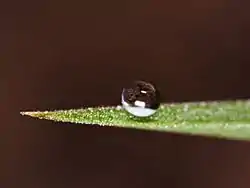
- dew, dewdrop
- 938, Minamoto no Shitagō, Wamyō Ruijushō, volume 1, page 30:[3]
- 露 三禮義宗云:「白露八月節、寒露九月節。」音路。白虎通云:「甘露美露也。降則物無不美盛矣。」[和名:豆由]
- Dew - according to Mitsumata no Yoshimune: the hakuro is a solar term in the eighth lunar month, the kanro the ninth. The syllable has the same sound as 路 (ro). The Bai Hu Tong reads: amrita (sweet dew) is a beautiful dew. After descending, there are none that are not beautiful or abundant. (Japanese name: tsuyu)
- (by extension) a drop or drops of something
- transience
- (historical) the threads of the sleeve ends of 狩衣 (kariginu), 水干 (suikan), etc.
- tears
- a gratuity, tip
- (historical, colloquial) Synonym of 豆板銀 (mameitagin) a lump of silver used as currency in the Edo period
Derived terms
Derived terms
- 露程も (tsuyuhodo mo)
Etymology 2
| Kanji in this term |
|---|
| 露 |
| あらわ Grade: S |
| kun’yomi |
| Alternative spelling |
|---|
| 顕 |
⟨arapa⟩ → /araɸa/ → /arawa/
From Old Japanese.
Pronunciation
Inflection
| Stem forms | |||
|---|---|---|---|
| Imperfective (未然形) | 露だろ | あらわだろ | arawa daro |
| Continuative (連用形) | 露で | あらわで | arawa de |
| Terminal (終止形) | 露だ | あらわだ | arawa da |
| Attributive (連体形) | 露な | あらわな | arawa na |
| Hypothetical (仮定形) | 露なら | あらわなら | arawa nara |
| Imperative (命令形) | 露であれ | あらわであれ | arawa de are |
| Key constructions | |||
| Informal negative | 露ではない 露じゃない |
あらわではない あらわじゃない |
arawa de wa nai arawa ja nai |
| Informal past | 露だった | あらわだった | arawa datta |
| Informal negative past | 露ではなかった 露じゃなかった |
あらわではなかった あらわじゃなかった |
arawa de wa nakatta arawa ja nakatta |
| Formal | 露です | あらわです | arawa desu |
| Formal negative | 露ではありません 露じゃありません |
あらわではありません あらわじゃありません |
arawa de wa arimasen arawa ja arimasen |
| Formal past | 露でした | あらわでした | arawa deshita |
| Formal negative past | 露ではありませんでした 露じゃありませんでした |
あらわではありませんでした あらわじゃありませんでした |
arawa de wa arimasen deshita arawa ja arimasen deshita |
| Conjunctive | 露で | あらわで | arawa de |
| Conditional | 露なら(ば) | あらわなら(ば) | arawa nara (ba) |
| Provisional | 露だったら | あらわだったら | arawa dattara |
| Volitional | 露だろう | あらわだろう | arawa darō |
| Adverbial | 露に | あらわに | arawa ni |
| Degree | 露さ | あらわさ | arawasa |
| Stem forms | ||||
|---|---|---|---|---|
| Irrealis (未然形) | 露なら | あらはなら | arafanara | |
| Continuative (連用形) | 露に[1] 露なり[2] | あらはに あらはなり | arafani arafanari | |
| Terminal (終止形) | 露なり | あらはなり | arafanari | |
| Attributive (連体形) | 露なる | あらはなる | arafanaru | |
| Realis (已然形) | 露なれ | あらはなれ | arafanare | |
| Imperative (命令形) | 露なれ | あらはなれ | arafanare | |
| Key constructions | ||||
| Negative | 露ならず | あらはならず | arafanarazu | |
| Contrasting conjunction | 露なれど | あらはなれど | arafanaredo | |
| Causal conjunction | 露なれば | あらはなれば | arafanareba | |
| Conditional conjunction | 露ならば | あらはならば | arafanaraba | |
| Past tense (firsthand knowledge) | 露なりき | あらはなりき | arafanariki | |
| Past tense (secondhand knowledge) | 露なりけり | あらはなりけり | arafanarikeri | |
| Adverbial | 露に | あらはに | arafani | |
| [1]Without auxiliary verb. [2]With auxiliary verb. | ||||
Derived terms
- 露営 (roei)
- 露岩 (rogan)
- 露見 (roken), 露顕 (roken)
- 露骨 (rokotsu)
- 露地 (roji)
- 露場 (rojō)
- 露出 (roshutsu)
- 露呈 (rotei)
- 露天 (roten)
- 露店 (roten)
- 露仏 (robutsu)
- 露命 (romei)
- 暴露 (bakuro), 曝露 (bakuro)
- 雨露 (uro)
- 悪露 (oro)
- 甘露 (kanro)
- 寒露 (kanro)
- 玉露 (gyokuro)
- 結露 (ketsuro)
- 顕露 (kenro)
- 草露 (sōro)
- 霜露 (sōro)
- 朝露 (chōro)
- 吐露 (toro)
- 白露 (hakuro)
- 発露 (hatsuro)
- 発露 (hotsuro)
- 流露 (ryūro)
Derived terms
References
- Matsumura, Akira, editor (2006), 大辞林 [Daijirin] (in Japanese), Third edition, Tōkyō: Sanseidō, →ISBN
- NHK Broadcasting Culture Research Institute, editor (1998), NHK日本語発音アクセント辞典 [NHK Japanese Pronunciation Accent Dictionary] (in Japanese), Tōkyō: NHK Publishing, →ISBN
- Minamoto, Shitagō with Kyōto Daigaku Bungakubu Kokugogaku Kokubungaku Kenkyūshitu (931–938) Shohon Shūsei Wamyō Ruijushō: Honbunhen (in Japanese), Kyōto: Rinsen, published 1968, →ISBN.
Korean
Etymology
From Middle Chinese 露 (MC luH). Recorded as Middle Korean 로〯 (lwǒ) (Yale: lwǒ) in Hunmong Jahoe (訓蒙字會 / 훈몽자회), 1527.
Pronunciation
- (SK Standard/Seoul) IPA(key): [ɾo̞] ~ [no̞]
- Phonetic hangul: [로/노]
Compounds
Okinawan
Derived terms
- 夜露 (yuchiyu)
References
- “チユ” in Okinawa Center of Language Study, Shuri-Naha Dialect Dictionary (archived; reopens 2024).(permanent dead link)
Old Japanese
Etymology 1
From Proto-Japonic *tuyu.
Noun
露 (tuyu) (kana つゆ)
Descendants
- Japanese: 露 (tsuyu)
Adjective
露 (arapa) (kana あらは)
- naked, bare
- 720, Nihon Shoki, Age of the gods, part 2:
- 顯露、此云阿羅播弐。齋庭、此云踰弐波。
- Bare, read as arapa ni (modern arawa ni); holy ground, read as yunipa (modern yuniwa)
Derived terms
- 表す (arapasu)
- 現る (araparu)
- 現ろ (araparo1, Eastern Old Japanese form of araparu)