急
| ||||||||
Translingual
| Stroke order | |||
|---|---|---|---|
 | |||
Han character
急 (Kangxi radical 61, 心+5, 9 strokes, cangjie input 弓一心 (NMP) or 弓尸心 (NSP), four-corner 27337, composition ⿱刍心)
References
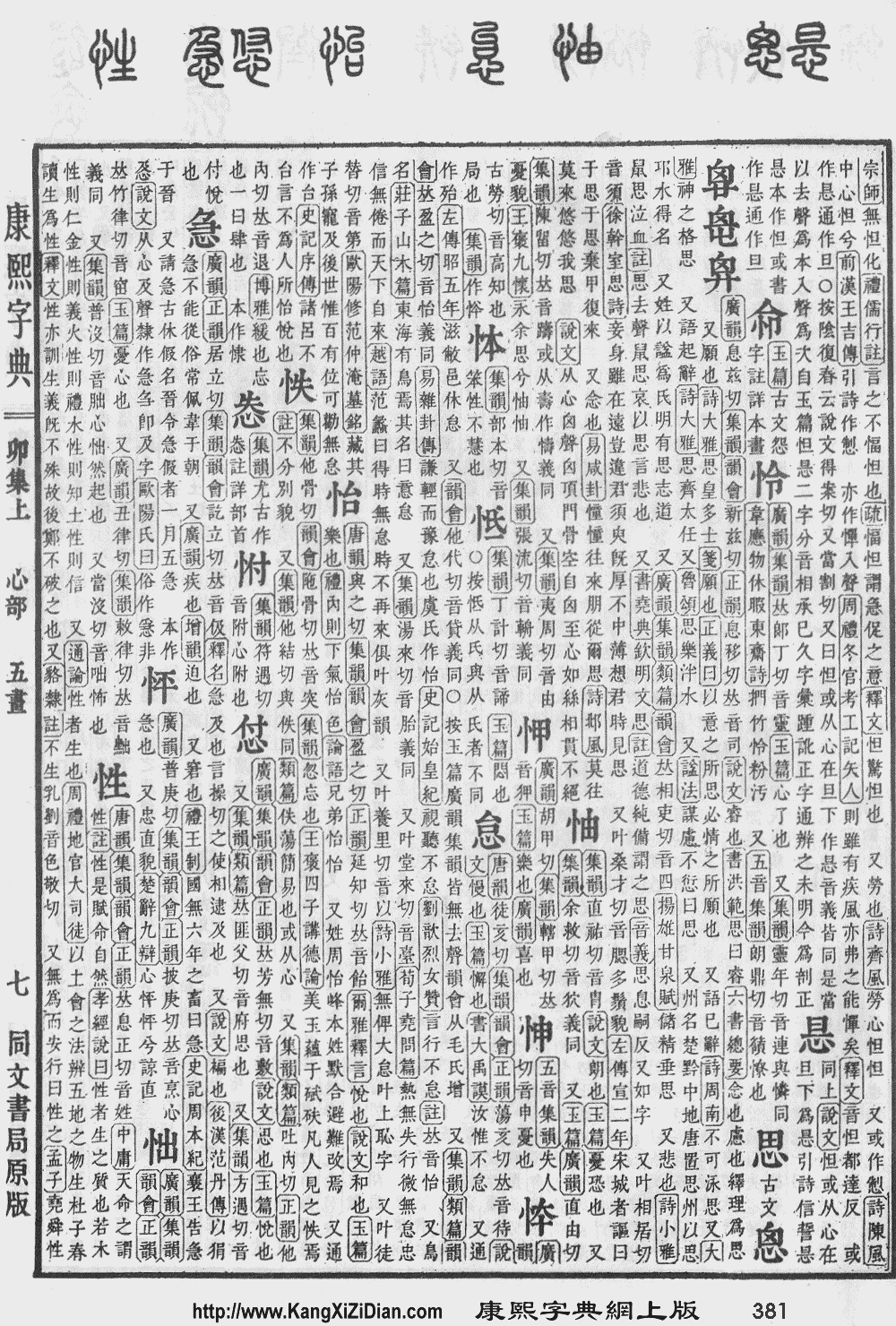
- Kangxi Dictionary: page 381, character 21
- Dai Kanwa Jiten: character 10475
- Dae Jaweon: page 710, character 6
- Hanyu Da Zidian (first edition): volume 4, page 2281, character 8
- Unihan data for U+6025
Chinese
| trad. | 急 | |
|---|---|---|
| simp. # | 急 | |
| alternative forms | 㤂 | |
Glyph origin
| Historical forms of the character 急 |
|---|
| Shuowen Jiezi (compiled in Han) |
| Small seal script |
 |
Characters in the same phonetic series (及) (Zhengzhang, 2003)
Phono-semantic compound (形聲/形声, OC *krɯb) : phonetic 及 (OC *ɡrɯb) + semantic 心 (“heart”).
Etymology
Etymology not clear. Not a variant of 亟 (OC *kɯɡ, “urgent”) (Schuessler, 2007).
Pronunciation
Definitions
急
- rapid; quick
- urgent; pressing; critical
- 急事 ― jíshì ― urgent matter
- urgency; emergency
- to hurry; to hasten
- to be eager to help
- 急公好義/急公好义 ― jígōnghàoyì ― (please add an English translation of this usage example)
- irascible; hot-tempered
- 急性子 ― jíxìngzǐ ― impatient; impetuous
- to get angry; to take offense; to be ruffled
- to be anxious; to worry; to be worried
Synonyms
- (rapid):
- 快 (kuài)
- 快捷 (kuàijié) (fast and nimble)
- 快脆 (faai3 ceoi3) (Cantonese)
- 快迅 (kuai4 sin4) (Xiang)
- 快速 (kuàisù)
- 急急 (jíjí) (literary)
- 急速 (jísù)
- 窸倏 (Hokkien)
- 緊快/紧快 (Xiamen Hokkien)
- 緊捷快/紧捷快 (Xiamen Hokkien)
- 緊氣/紧气 (Hokkien)
- 緊跤手/紧跤手 (Hokkien)
- 迅急 (xùnjí)
- 迅疾 (xùnjí) (literary)
- 迅速 (xùnsù)
- 長足/长足 (chángzú) (attributive, formal)
- 飛快/飞快 (fēikuài)
- 高速 (gāosù)
- (urgent):
- 亟亟 (jíjí) (literary)
- 促迫 (cùpò)
- 倥傯/倥偬 (kǒngzǒng) (literary)
- 切切 (qièqiè) (literary)
- 加急 (jiājí) (attributive, of a telegram, test, etc.)
- 卒暴 (cùbào) (literary)
- 危迫 (wēipò) (literary)
- 孔亟 (kǒngjí)
- 孔急 (kǒngjí)
- 急促 (jícù)
- 急切 (jíqiè)
- 急急 (jíjí) (literary)
- 急要 (jíyào) (literary)
- 急迫 (jípò)
- 打緊/打紧 (dǎjǐn)
- 火急 (huǒjí)
- 窘促 (jiǒngcù)
- 緊促/紧促 (jǐncù)
- 緊張/紧张 (jǐnzhāng)
- 緊急/紧急 (jǐnjí)
- 緊要/紧要 (jǐnyào)
- 緊迫/紧迫 (jǐnpò)
- 緊逼逼/紧逼逼 (Hokkien)
- 要緊/要紧 (yàojǐn)
- 迫切 (pòqiè)
- 遑急 (huángjí) (literary)
- 險急/险急 (xiǎnjí)
- (to get angry):
- 上火 (shànghuǒ) (dialectal Mandarin)
- 使性地 (sái-sìng-tē) (Hokkien)
- 使性子 (shǐ xìngzi)
- 使氣/使气 (shǐqì)
- 使癖 (Hokkien)
- 使頸/使颈 (sai2 geng2) (Cantonese)
- 冒煙/冒烟 (màoyān) (colloquial)
- 動怒/动怒 (dòngnù)
- 受氣/受气 (siū-khì) (Hokkien)
- 嗔怒 (chēnnù)
- 大怒 (dànù)
- 奭 (shì) (literary, or in compounds)
- 威怒 (wēinù) (literary)
- 尥蹶子 (liàojuězi)
- 𡳞火 (Hokkien, vulgar)
- 弄性子 (nòng xìngzi) (colloquial)
- 忿懥 (fènzhì) (literary)
- 怒 (nù) (literary, or in compounds)
- 急眼 (jíyǎn) (colloquial)
- 惱怒/恼怒 (nǎonù)
- 惹氣/惹气 (rěqì)
- 惱火/恼火 (nǎohuǒ)
- 戳火 (cuah4 hue2) (Jin)
- 掛氣/挂气 (guàqì) (dialectal)
- 暴怒 (bàonù) (to explode in anger)
- 有氣/有气 (yǒuqì)
- 氣/气
- 氣惱/气恼 (qìnǎo)
- 火大 (huǒdà)
- 火癀 (Hokkien)
- 燒色/烧色 (chiáu-să̤) (Northern Min)
- 爆氣/爆气
- 犯脾氣/犯脾气 (fàn píqi) (colloquial)
- 狂怒 (kuángnù) (to explode in anger)
- 生氣/生气 (shēngqì)
- 癀發/癀发 (Hokkien)
- 發呴/发呴 (7faq 1heu) (Wu)
- 發性地/发性地 (Hokkien)
- 發火/发火 (fāhuǒ)
- 發癀/发癀 (Xiamen Hokkien)
- 發老脾/发老脾 (faat3 lou5 pei4-2) (Cantonese)
- 發脾四/发脾四 (faat3 pei4 sei3) (Cantonese)
- 發脾氣/发脾气 (fā píqi)
- 發臉/发脸 (Hokkien)
- 發輦/发辇 (Taiwanese Hokkien)
- 發飆/发飙 (fābiāo) (colloquial)
- 盛怒 (shèngnù)
- 耍態度/耍态度 (shuǎ tàidù) (colloquial)
- 耍脾氣/耍脾气 (shuǎ píqi)
- 苦氣/苦气 (Hokkien)
- 見氣/见气 (Yangzhou Mandarin, Pingxiang Gan, Huizhou, Pingxiang Gan, Wu, Pingxiang Gan, Xiang, Pingxiang Gan)
- 起性 (Hokkien)
- 起性地 (Hokkien)
- 起火
- 起花光 (kī-huă-guŏng) (Eastern Min)
- 震怒 (zhènnù)
- 鬧脾氣/闹脾气 (nào píqi)
- (to be anxious):
- 怕
- 急眼 (jíyǎn) (colloquial)
- 恐怕 (kǒngpà)
- 患 (huàn) (literary, or in compounds)
- 愁 (chóu)
- 憂心/忧心 (yōuxīn)
- 憂慮/忧虑 (yōulǜ)
- 懸心/悬心 (xuánxīn)
- 掛心/挂心 (guàxīn)
- 掛礙/挂碍 (guà'ài)
- 揪心 (jiūxīn)
- 擔心/担心 (dānxīn)
- 擔憂/担忧 (dānyōu)
- 燒心/烧心 (shāoxīn) (regional or dated)
- 犯愁 (fànchóu)
- 疑慮/疑虑 (yílǜ)
- 發急/发急 (fājí)
- 發愁/发愁 (fāchóu)
- 發極/发极 (7faq 8jiq) (Wu)
- 著急/着急 (zháojí)
- 起急 (qǐjí) (colloquial)
- 顧慮/顾虑 (gùlǜ)
Compounds
- 一時之急/一时之急
- 不急之務/不急之务
- 不用著急/不用着急
- 不著急/不着急
- 乾急/干急
- 乾著急/干着急
- 事急 (shìjí)
- 人急智生
- 人急計生/人急计生
- 人有三急 (rényǒusānjí)
- 作急 (zuòjí)
- 促忙促急
- 倒懸之急/倒悬之急
- 內急/内急 (nèijí)
- 十萬火急/十万火急 (shíwànhuǒjí)
- 卞急 (biànjí)
- 危急 (wēijí)
- 又急又氣/又急又气
- 又氣又急/又气又急
- 告急 (gàojí)
- 告急文書/告急文书 (gàojí wénshū)
- 周急 (zhōují)
- 周急繼乏/周急继乏
- 喉急
- 嘴急
- 坡陡水急
- 孔急 (kǒngjí)
- 尿急 (niàojí)
- 峻急
- 峭急
- 巴巴急急
- 心忙意急
- 心急 (xīnjí)
- 心急如焚 (xīnjírúfén)
- 心急火燎
- 忙忙急急
- 忙投急趁
- 急三槍/急三枪
- 急不可待 (jíbùkědài)
- 急不可耐
- 急不擇言/急不择言
- 急且 (jíqiě)
- 急中生智 (jízhōngshēngzhì)
- 急事 (jíshì)
- 急人之困
- 急人之難/急人之难
- 急令 (jílìng)
- 急件 (jíjiàn)
- 急伶俐
- 急促 (jícù)
- 急先鋒/急先锋 (jíxiānfēng)
- 急公好義/急公好义
- 急切 (jíqiè)
- 急劇/急剧 (jíjù)
- 急功近利 (jígōngjìnlì)
- 急功近名
- 急務/急务 (jíwù)
- 急匆匆 (jícōngcōng)
- 急口令 (jíkǒulìng)
- 急吞
- 急吼吼
- 急如星火
- 急如風火/急如风火
- 急就 (jíjiù)
- 急就篇
- 急就章 (jíjiùzhāng)
- 急尿 (jíniào)
- 急屎
- 急巴巴 (jíbābā)
- 急并各邦
- 急張拘諸/急张拘诸
- 急彎/急弯 (jíwān)
- 急征重斂
- 急待 (jídài)
- 急忙 (jímáng)
- 急忿怨痛
- 性急 (xìngjí)
- 急性 (jíxìng)
- 急急 (jíjí)
- 急性子 (jíxìngzi)
- 急急巴巴
- 急急忙忙
- 急性病 (jíxìngbìng)
- 急急腳腳/急急脚脚
- 急急鋪鋪/急急铺铺
- 急急風/急急风
- 急慌 (jíhuāng)
- 急戰/急战
- 急手
- 急拍
- 急捷
- 急攘攘
- 急救 (jíjiù)
- 急救包 (jíjiùbāo)
- 急救法 (jíjiùfǎ)
- 急料子
- 急於星火/急于星火
- 急旋旋
- 急景
- 急智
- 急景凋年
- 急景流年
- 急步 (jíbù)
- 急水
- 急波波
- 急流 (jíliú)
- 急流勇退 (jíliúyǒngtuì)
- 急湍 (jítuān)
- 急溜
- 急火攻心
- 急煞
- 急煎煎
- 急用 (jíyòng)
- 急留骨碌
- 急症 (jízhèng)
- 急病 (jíbìng)
- 急相 (jíxiàng)
- 急穰穰
- 急竹繁絲/急竹繁丝
- 急節/急节
- 急管繁絃/急管繁弦
- 急簌簌
- 急絃/急弦
- 急缺
- 急聒 (jíguō)
- 急聲/急声
- 急脈緩受/急脉缓受
- 急腳/急脚
- 急腳信/急脚信
- 急腳遞/急脚递 (jíjiǎodì)
- 急腳鬼/急脚鬼
- 急行軍/急行军 (jíxíngjūn)
- 急裝/急装
- 急要 (jíyào)
- 急觴/急觞
- 急言
- 急診/急诊 (jízhěn)
- 急變/急变 (jíbiàn)
- 急赤白臉/急赤白脸
- 急起直追 (jíqǐzhízhuī)
- 急足
- 急躁 (jízào)
- 急轉彎/急转弯 (jízhuǎnwān)
- 急轉直下/急转直下 (jízhuǎnzhíxià)
- 急迫 (jípò)
- 急速 (jísù)
- 急進/急进 (jíjìn)
- 急進主義/急进主义 (jíjìn zhǔyì)
- 急遍
- 急遞鋪/急递铺
- 急遽 (jíjù)
- 急難/急难 (jínàn)
- 急電/急电 (jídiàn)
- 急需 (jíxū)
- 急須/急须 (jíxū)
- 急風暴雨/急风暴雨 (jífēngbàoyǔ)
- 急颭颭/急飐飐
- 急馳/急驰
- 急驚風/急惊风
- 急驟/急骤 (jízhòu)
- 急鬆鬆/急松松
- 悁急
- 情急 (qíngjí)
- 情急智生
- 惶急
- 意急心忙
- 慌急 (huāngjí)
- 慘急/惨急
- 懁急
- 應急/应急 (yìngjí)
- 手急眼快
- 扶急持傾/扶急持倾
- 拘急
- 拿急
- 接急
- 操之過急/操之过急 (cāozhīguòjí)
- 救急 (jiùjí)
- 氣急/气急
- 氣急敗壞/气急败坏 (qìjíbàihuài)
- 湍急 (tuānjí)
- 濟急/济急
- 火急 (huǒjí)
- 焦急 (jiāojí)
- 燃眉之急 (ránméizhījí)
- 燒眉之急/烧眉之急
- 狗急跳牆/狗急跳墙 (gǒujítiàoqiáng)
- 狷急
- 猴急 (hóují)
- 當務之急/当务之急 (dāngwùzhījí)
- 當勞之急/当劳之急
- 發喉急/发喉急
- 發急/发急 (fājí)
- 皇帝不急,急死太監/皇帝不急,急死太监 (huángdì bùjí, jísǐ tàijiàn)
- 眉急
- 相煎何急
- 相煎太急
- 萬急/万急
- 窘急 (jiǒngjí)
- 緊急/紧急 (jǐnjí)
- 緊急命令/紧急命令
- 緊急狀態/紧急状态 (jǐnjí zhuàngtài)
- 緊急處分/紧急处分
- 緊急警報/紧急警报
- 緩不濟急/缓不济急 (huǎnbùjìjí)
- 緩急/缓急 (huǎnjí)
- 緩急相濟/缓急相济
- 緩急輕重/缓急轻重
- 繁弦急管
- 繁絲急管/繁丝急管
- 臉急/脸急
- 至急 (zhìjí)
- 荒急 (huāngjí)
- 著急/着急 (zháojí)
- 虎急急
- 裡急/里急
- 裡急後重/里急后重
- 褊急 (biǎnjí)
- 請急/请急
- 赴急 (fùjí)
- 起急 (qǐjí)
- 趕急/赶急
- 躁急 (zàojí)
- 輕重緩急/轻重缓急 (qīngzhònghuǎnjí)
- 轍鮒之急/辙鲋之急
- 迅急 (xùnjí)
- 遑急 (huángjí)
- 需款孔急
- 風急雨驟/风急雨骤 (fēngjíyǔzhòu)
- 飄風急雨/飘风急雨
References
- “急”, in 漢語多功能字庫 (Multi-function Chinese Character Database), 香港中文大學 (the Chinese University of Hong Kong), 2014–
Japanese
| Shinjitai | 急 | |
| Kyūjitai [1] |
急󠄁 急+ 󠄁?(Adobe-Japan1) |
 |
| 急󠄃 急+ 󠄃?(Hanyo-Denshi) (Moji_Joho) | ||
| The displayed kanji may be different from the image due to your environment. See here for details. | ||
Readings
Etymology
| Kanji in this term |
|---|
| 急 |
| きゅう Grade: 3 |
| kun’yomi |
/kipʉ/ → /kiɸʉ/ → /kiu/ → /kʲɨː/
From Middle Chinese 急 (MC kip).
Inflection
Inflection of 急
| Stem forms | |||
|---|---|---|---|
| Imperfective (未然形) | 急だろ | きゅうだろ | kyū daro |
| Continuative (連用形) | 急で | きゅうで | kyū de |
| Terminal (終止形) | 急だ | きゅうだ | kyū da |
| Attributive (連体形) | 急な | きゅうな | kyū na |
| Hypothetical (仮定形) | 急なら | きゅうなら | kyū nara |
| Imperative (命令形) | 急であれ | きゅうであれ | kyū de are |
| Key constructions | |||
| Informal negative | 急ではない 急じゃない |
きゅうではない きゅうじゃない |
kyū de wa nai kyū ja nai |
| Informal past | 急だった | きゅうだった | kyū datta |
| Informal negative past | 急ではなかった 急じゃなかった |
きゅうではなかった きゅうじゃなかった |
kyū de wa nakatta kyū ja nakatta |
| Formal | 急です | きゅうです | kyū desu |
| Formal negative | 急ではありません 急じゃありません |
きゅうではありません きゅうじゃありません |
kyū de wa arimasen kyū ja arimasen |
| Formal past | 急でした | きゅうでした | kyū deshita |
| Formal negative past | 急ではありませんでした 急じゃありませんでした |
きゅうではありませんでした きゅうじゃありませんでした |
kyū de wa arimasen deshita kyū ja arimasen deshita |
| Conjunctive | 急で | きゅうで | kyū de |
| Conditional | 急なら(ば) | きゅうなら(ば) | kyū nara (ba) |
| Provisional | 急だったら | きゅうだったら | kyū dattara |
| Volitional | 急だろう | きゅうだろう | kyū darō |
| Adverbial | 急に | きゅうに | kyū ni |
| Degree | 急さ | きゅうさ | kyūsa |
Classical conjugation of "急なり" (ナリ活用, see Appendix:Japanese verbs.)
| Stem forms | ||||
|---|---|---|---|---|
| Irrealis (未然形) | 急なら | きふなら | kifu nara | |
| Continuative (連用形) | 急に[1] 急なり[2] | きふに きふなり | kifu ni kifu nari | |
| Terminal (終止形) | 急なり | きふなり | kifu nari | |
| Attributive (連体形) | 急なる | きふなる | kifu naru | |
| Realis (已然形) | 急なれ | きふなれ | kifu nare | |
| Imperative (命令形) | 急なれ | きふなれ | kifu nare | |
| Key constructions | ||||
| Negative | 急ならず | きふならず | kifu narazu | |
| Contrasting conjunction | 急なれど | きふなれど | kifu naredo | |
| Causal conjunction | 急なれば | きふなれば | kifu nareba | |
| Conditional conjunction | 急ならば | きふならば | kifu naraba | |
| Past tense (firsthand knowledge) | 急なりき | きふなりき | kifu nariki | |
| Past tense (secondhand knowledge) | 急なりけり | きふなりけり | kifu narikeri | |
| Adverbial | 急に | きふに | kifu ni | |
| [1]Without auxiliary verb. [2]With auxiliary verb. | ||||
References
- “急”, in 漢字ぺディア (Kanjipedia) (in Japanese), 日本漢字能力検定協会, 2015–2024
- Matsumura, Akira, editor (2006), 大辞林 [Daijirin] (in Japanese), Third edition, Tōkyō: Sanseidō, →ISBN
Korean
Vietnamese
This article is issued from Wiktionary. The text is licensed under Creative Commons - Attribution - Sharealike. Additional terms may apply for the media files.