棒
| ||||||||
Translingual
Han character
棒 (Kangxi radical 75, 木+8, 12 strokes, cangjie input 木手大手 (DQKQ), four-corner 45953, composition ⿰木奉)
Derived characters
- 𠾴, 𥴇
References
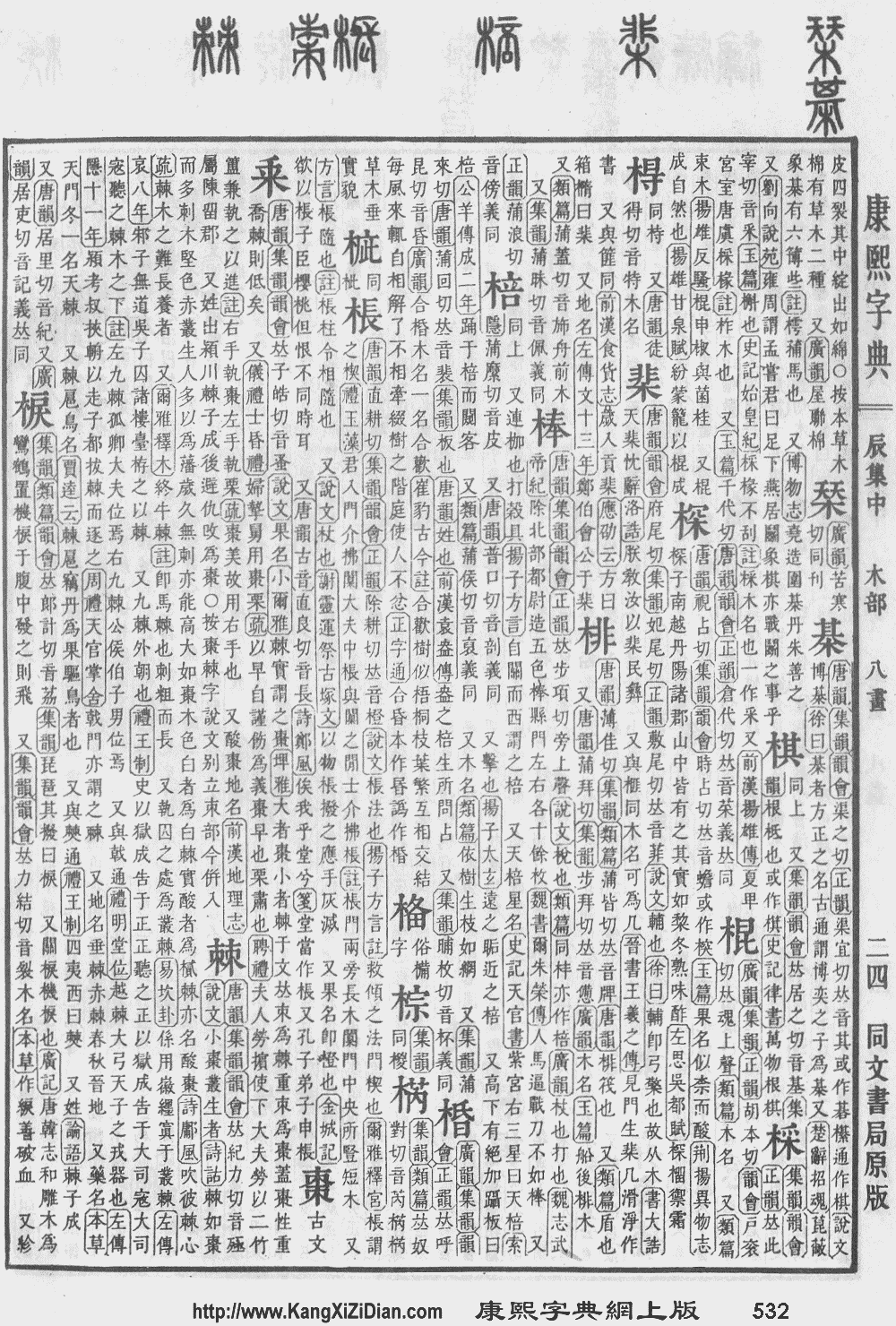
- Kangxi Dictionary: page 532, character 10
- Dai Kanwa Jiten: character 14929
- Dae Jaweon: page 920, character 17
- Hanyu Da Zidian (first edition): volume 2, page 1222, character 9
- Unihan data for U+68D2
Chinese
| simp. and trad. |
棒 | |
|---|---|---|
| alternative forms | 棓 “stick” | |
Glyph origin
Characters in the same phonetic series (丰) (Zhengzhang, 2003)
| Old Chinese | |
|---|---|
| 邦 | *proːŋ |
| 梆 | *proːŋ |
| 垹 | *proːŋ |
| 肨 | *pʰroːŋs, *pʰroːŋs |
| 蚌 | *broːŋʔ, *breːŋʔ |
| 玤 | *broːŋʔ |
| 棒 | *broːŋʔ |
| 蜯 | *broːŋʔ |
| 琫 | *poːŋʔ |
| 菶 | *poːŋʔ, *boːŋʔ |
| 俸 | *poːŋʔ, *boŋs |
| 髼 | *boːŋ |
| 蜂 | *boːŋ, *pʰoŋ |
| 韸 | *boːŋ |
| 蓬 | *boːŋ |
| 篷 | *boːŋ |
| 唪 | *boːŋʔ, *boŋʔ |
| 埲 | *boːŋʔ |
| 丰 | *pʰoŋ |
| 妦 | *pʰoŋ |
| 仹 | *pʰoŋ |
| 峯 | *pʰoŋ |
| 峰 | *pʰoŋ |
| 鋒 | *pʰoŋ |
| 烽 | *pʰoŋ |
| 蠭 | *pʰoŋ |
| 桻 | *pʰoŋ |
| 莑 | *pʰoŋ |
| 夆 | *pʰoŋ, *boŋ, *ɡaːds |
| 捧 | *pʰoŋʔ |
| 逢 | *boŋ |
| 縫 | *boŋ, *boŋs |
| 漨 | *boŋ |
| 捀 | *boŋ, *boŋs |
| 奉 | *boŋʔ |
Phono-semantic compound (形聲/形声, OC *broːŋʔ) : semantic 木 (“tree, wood”) + phonetic 奉 (OC *boŋʔ) – a wooden club.
Etymology
- “terrific; smart; handsome; excellent; skillful”
- The semantics may have developed as “stick” > “hard” > “excellent”; compare dialectal Mandarin 槓/杠 (gàng) (Yang, 2012).
This etymology is incomplete. You can help Wiktionary by elaborating on the origins of this term.
Pronunciation
Definitions
棒
Synonyms
Dialectal synonyms of 厲害 (“impressive; excellent; amazing; fantastic”) [map]
| Variety | Location | Words |
|---|---|---|
| Mandarin | Beijing | 牛, 牛兒, 牛屄 vulgar |
| Taiwan | 厲害, 棒 | |
| Malaysia | 厲害, 夠力 | |
| Singapore | 厲害 | |
| Cantonese | Guangzhou | 犀利, 勁 |
| Hong Kong | 犀利, 勁, 勁抽, 堅抽 | |
| Penang (Guangfu) | 犀利 | |
| Singapore (Guangfu) | 犀利, 勁 | |
| Hakka | Miaoli (N. Sixian) | 厲害, 慶 |
| Pingtung (Neipu; S. Sixian) | 厲害, 慶, 壁 | |
| Hsinchu County (Zhudong; Hailu) | 厲害, 慶 | |
| Taichung (Dongshi; Dabu) | 厲害, 慶 | |
| Hsinchu County (Qionglin; Raoping) | 厲害, 慶 | |
| Yunlin (Lunbei; Zhao'an) | 厲害, 慶 | |
| Hong Kong | 叻 | |
| Kuching (Hepo) | 慶 | |
| Southern Min | Xiamen | 厲害 |
| Shishi | 厲害 | |
| Zhao'an | 厲害 | |
| Tainan | 厲害 | |
| Penang (Hokkien) | 厲害 | |
| Singapore (Hokkien) | 厲害, 勥, 𠢕 | |
| Manila (Hokkien) | 厲害, 勥, 𠢕 | |
| Haifeng | 厲害 | |
| Singapore (Teochew) | 厲害 | |
| Wu | Shanghai | 結棍 |
| Suzhou | 結棍 | |
| Wuxi | 結棍 | |
| Hangzhou | 結棍 | |
| Ningbo | 結棍 | |
| Xiang | Changsha | 䏧腮 |
- (Cantonese) (excellent): 正 (zeng3)
Compounds
- 亂棒胡敲/乱棒胡敲
- 交棒 (jiāobàng)
- 冰棒 (bīngbàng)
- 包米棒子
- 吃棒
- 哭喪棒/哭丧棒 (kūsāngbàng)
- 哨棒
- 哭竹棒
- 回力棒
- 回飛棒/回飞棒 (huífēibàng)
- 夾槍帶棒/夹枪带棒
- 好棒 (hǎobàng)
- 少棒
- 巨棒
- 巨棒外交
- 強棒/强棒
- 拖鎗拽棒/拖枪拽棒
- 持刀弄棒
- 指揮棒/指挥棒 (zhǐhuībàng)
- 拳棒
- 控制棒 (kòngzhìbàng)
- 接力棒 (jiēlìbàng)
- 接棒
- 接棒人 (jiēbàngrén)
- 撥火棒/拨火棒
- 擦棒球 (cābàngqiú)
- 木棒 (mùbàng)
- 桿棒/杆棒
- 梢棒
- 棒兒香/棒儿香 (bàngrxiāng)
- 棒喝 (bànghè)
- 棒壇/棒坛
- 棒子 (bàngzi)
- 棒子手
- 棒子麵/棒子面 (bàngzimiàn)
- 棒客
- 椎棒
- 棍棒 (gùnbàng)
- 棒槌 (bàngchuí)
- 棒狀桿菌/棒状杆菌 (bàngzhuàng gǎnjūn)
- 棒球 (bàngqiú)
- 棒球卡
- 棒球場/棒球场
- 棒球賽/棒球赛
- 棒球隊/棒球队
- 棒瘡/棒疮 (bàngchuāng)
- 棒針/棒针 (bàngzhēn)
- 棒針衫/棒针衫 (bàngzhēnshān)
- 棒頭/棒头 (bàngtóu)
- 殺威棒/杀威棒
- 火棒
- 炭精棒
- 狼牙棒
- 球棒 (qiúbàng)
- 琴棒 (qínbàng)
- 當頭一棒/当头一棒
- 當頭棒喝/当头棒喝 (dāngtóubànghè)
- 矽碳棒
- 硬式棒球
- 硬棒
- 磁棒 (cíbàng)
- 窮棒子/穷棒子 (qióngbàngzi)
- 職棒/职棒 (zhíbàng)
- 花棒
- 花棒舞
- 蒲棒
- 藕棒兒/藕棒儿
- 記憶棒/记忆棒 (jìyìbàng)
- 赤棒
- 軟式棒球/软式棒球
- 迎頭棒喝/迎头棒喝
- 連廂棒/连厢棒
- 金箍棒 (jīngūbàng)
- 金錢棒/金钱棒
- 金錢棒舞/金钱棒舞
- 鐵棒/铁棒 (tiěbàng)
- 限棒
- 雙棒兒/双棒儿
- 電棒/电棒 (diànbàng)
- 青少棒
- 青棒
- 馬棒/马棒
- 黃桑棒/黄桑棒
Japanese
Kanji
棒
Readings
Etymology
| Kanji in this term |
|---|
| 棒 |
| ぼう Grade: 6 |
| on’yomi |
From Middle Chinese 棒 (MC baewngX). The goon pronunciation, so likely an earlier borrowing.
Noun
- a staff, measuring 6 shaku (about 1.8 meters), used in martial arts such as 棒術 (bōjutsu)
- (by extension) stick-like or long, cylindrical item: pointer, pole, rod, etc.
- 棒を持つ
- bō o motsu
- to hold a pointer
- うまい棒
- Umaibō
- Umaibō (a cylinder-shaped snack food)
- 棒のぼり
- bō-nobori
- pole climbing (found in elementary schools to train the strength of students)
- 棒を持つ
- (by extension) a straight line; bar
- (by extension) state of being in a "straight line"; continuous
- taut leg muscles due to fatigue (Can we verify(+) this sense?)
- (Buddhism) staff used by practitioners of Zen Buddhism
References
- Matsumura, Akira, editor (2006), 大辞林 [Daijirin] (in Japanese), Third edition, Tōkyō: Sanseidō, →ISBN
Korean
Vietnamese
This article is issued from Wiktionary. The text is licensed under Creative Commons - Attribution - Sharealike. Additional terms may apply for the media files.