送
| ||||||||
Translingual
| Stroke order | |||
|---|---|---|---|
 | |||
Han character
送 (Kangxi radical 162, 辵+6, 9 strokes, cangjie input 卜廿大 (YTK), four-corner 38303, composition ⿺辶关)
| Traditional | 送 |
|---|---|
| Simplified | 送 |
| Japanese | 送 |
| Korean | 送 |
References
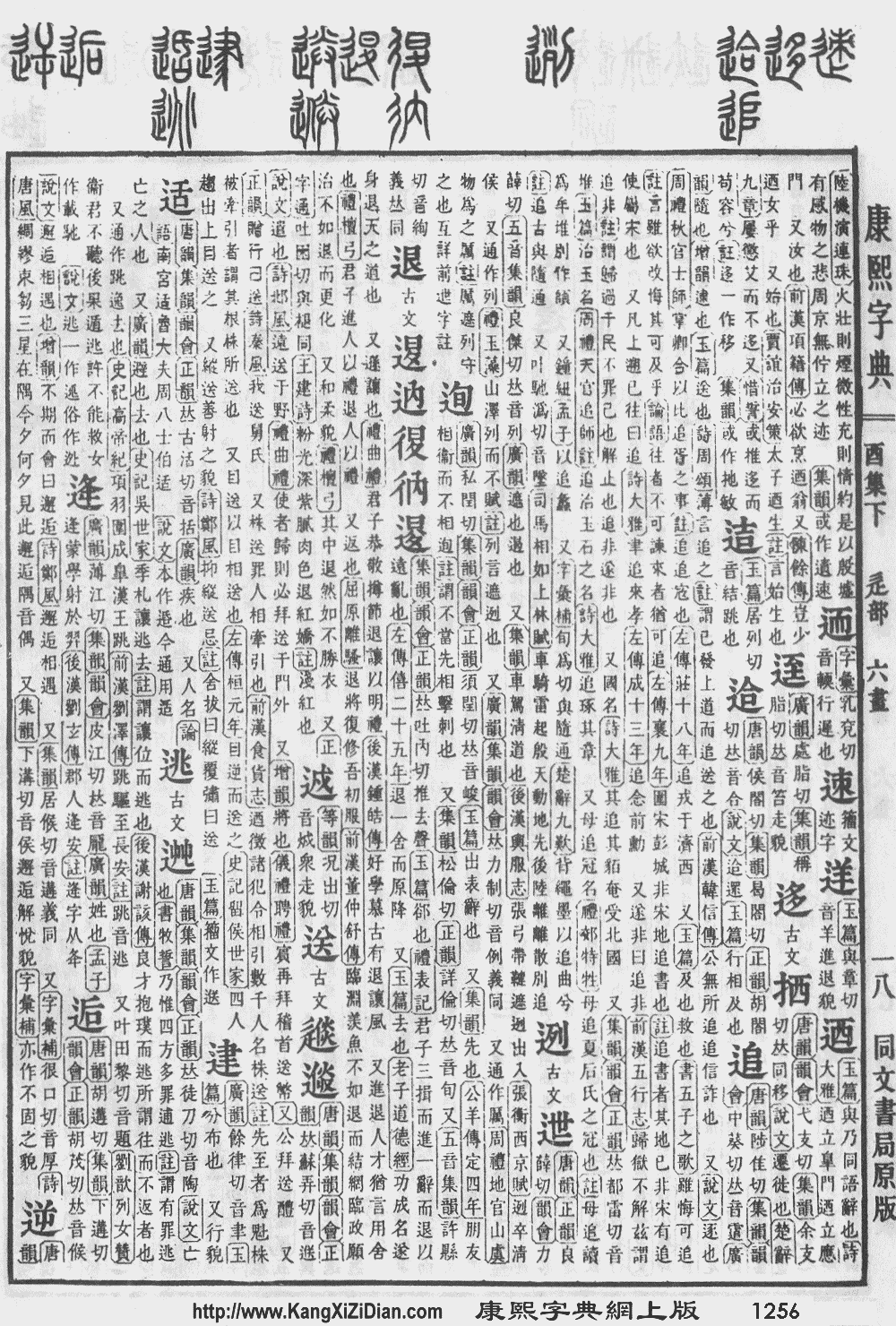
- Kangxi Dictionary: page 1256, character 21
- Dai Kanwa Jiten: character 38842
- Dae Jaweon: page 1741, character 4
- Hanyu Da Zidian (first edition): volume 6, page 3832, character 6
- Unihan data for U+9001
Chinese
| trad. | 送 | |
|---|---|---|
| simp. # | 送 | |
| alternative forms | 䢠 | |
Glyph origin
Phono-semantic compound (形聲/形声, OC *sloːŋs) : semantic 辶 (“to walk”) + phonetic 灷 ().
Etymology
(This etymology is missing or incomplete. Please add to it, or discuss it at the Etymology scriptorium.) Derivative: 餸/𩠌 (sung3, “(Cantonese) accompanying dish”).
Pronunciation
Definitions
送
Compounds
- 不送氣/不送气 (bùsòngqì)
- 不送氣音/不送气音 (bùsòngqìyīn)
- 以目相送
- 以目送情
- 伴送
- 保送 (bǎosòng)
- 偷寒送暖
- 傳杯送盞/传杯送盏
- 傾送/倾送
- 傳送/传送 (chuánsòng)
- 傳送帶/传送带 (chuánsòngdài)
- 公示送達/公示送达
- 公送
- 分送
- 利益輸送/利益输送
- 十八相送
- 告送 (gàosong)
- 吹送流
- 奉送 (fèngsòng)
- 婊子送客
- 官送
- 密送 (mìsòng)
- 弄送
- 弔賀迎送/吊贺迎送
- 後送/后送 (hòusòng)
- 恭送
- 手揮目送/手挥目送
- 投懷送抱/投怀送抱 (tóuhuáisòngbào)
- 扭送 (niǔsòng)
- 抄送 (chāosòng)
- 押送 (yāsòng)
- 推襟送抱
- 接送 (jiēsòng)
- 掇送
- 播送 (bōsòng)
- 斷送/断送 (duànsòng)
- 暗送秋波 (ànsòngqiūbō)
- 株送徒
- 檢送/检送
- 歡送/欢送 (huānsòng)
- 水送山迎
- 津送
- 漂送
- 發送/发送
- 發送機/发送机
- 白衣送酒
- 目送 (mùsòng)
- 目送手揮/目送手挥
- 祖送
- 秋波送情 (qiūbō sòngqíng)
- 移送 (yísòng)
- 縱送/纵送
- 致送 (zhìsòng)
- 葬送 (zàngsòng)
- 解送
- 護送/护送 (hùsòng)
- 資送/资送
- 賠送/赔送
- 贈送/赠送 (zèngsòng)
- 輸送/输送 (shūsòng)
- 輸送帶/输送带 (shūsòngdài)
- 轉送/转送 (zhuǎnsòng)
- 迎來送往/迎来送往
- 迎新送故
- 迎新送舊/迎新送旧
- 送上天
- 送上門/送上门 (sòngshàngmén)
- 送交 (sòngjiāo)
- 送人 (sòngrén)
- 送人情
- 送作堆
- 送信 (sòngxìn)
- 送分題/送分题 (sòngfēntí)
- 送別/送别 (sòngbié)
- 送命 (sòngmìng)
- 送喪/送丧 (sòngsāng)
- 送報/送报 (sòngbào)
- 送官
- 送客
- 送往事居
- 送往迎來/送往迎来
- 送情 (sòngqíng)
- 送故
- 送故迎新
- 送新
- 送暖偷寒
- 送死 (sòngsǐ)
- 送殯/送殡 (sòngbìn)
- 送氣/送气 (sòngqì)
- 送氣音/送气音 (sòngqìyīn)
- 送灶
- 送瘟神 (sòng wēnshén)
- 送目
- 送眼流眉
- 送神
- 送祟
- 送禮/送礼 (sònglǐ)
- 送秋波 (sòngqiūbō)
- 送窮/送穷
- 送終/送终 (sòngzhōng)
- 送老
- 送舊迎新/送旧迎新
- 送茶
- 送葬 (sòngzàng)
- 送行 (sòngxíng)
- 送親/送亲
- 送話/送话
- 送話器/送话器 (sònghuàqì)
- 送貨/送货 (sònghuò)
- 送路
- 退送
- 退送紙/退送纸
- 送達/送达 (sòngdá)
- 送還/送还 (sònghuán)
- 送錢/送钱
- 送風機/送风机
- 送餞/送饯
- 送鬼
- 送鮮/送鲜
- 運送/运送 (yùnsòng)
- 運送機/运送机
- 遣送 (qiǎnsòng)
- 遞送/递送 (dìsòng)
- 選送/选送
- 配送 (pèisòng)
- 防送人
- 防送公人
- 附送 (fùsòng)
- 限時專送/限时专送
- 陪送
- 雪中送炭 (xuězhōngsòngtàn)
- 雪裡送炭/雪里送炭
- 養生送死/养生送死
- 養老送終/养老送终
- 麒麟送子
Japanese
| Shinjitai | 送 | |
| Kyūjitai [1] |
送󠄁 送+ 󠄁?(Adobe-Japan1) |
 |
| 送󠄃 送+ 󠄃?(Hanyo-Denshi) (Moji_Joho) | ||
| The displayed kanji may be different from the image due to your environment. See here for details. | ||
References
- “送”, in 漢字ぺディア (Kanjipedia) (in Japanese), 日本漢字能力検定協会, 2015–2024
Korean
Compounds
- 등송 (謄送, deungsong, “(archaic) sending a reproduction; sending a copy”)
- 방송 (放送, bangsong, “broadcasting”)
- 방송국 (放送局, bangsongguk, “broadcasting station: radio station, TV station, etc.”)
- 송신 (送信, songsin, “transmission”)
This article is issued from Wiktionary. The text is licensed under Creative Commons - Attribution - Sharealike. Additional terms may apply for the media files.