識
| ||||||||
| ||||||||
Translingual
| Japanese | 識 |
|---|---|
| Simplified | 识 |
| Traditional | 識 |
Han character
識 (Kangxi radical 149, 言+12, 19 strokes, cangjie input 卜口卜戈日 (YRYIA), four-corner 03650, composition ⿰訁戠)
Derived characters
- 𧄹
Related characters
References
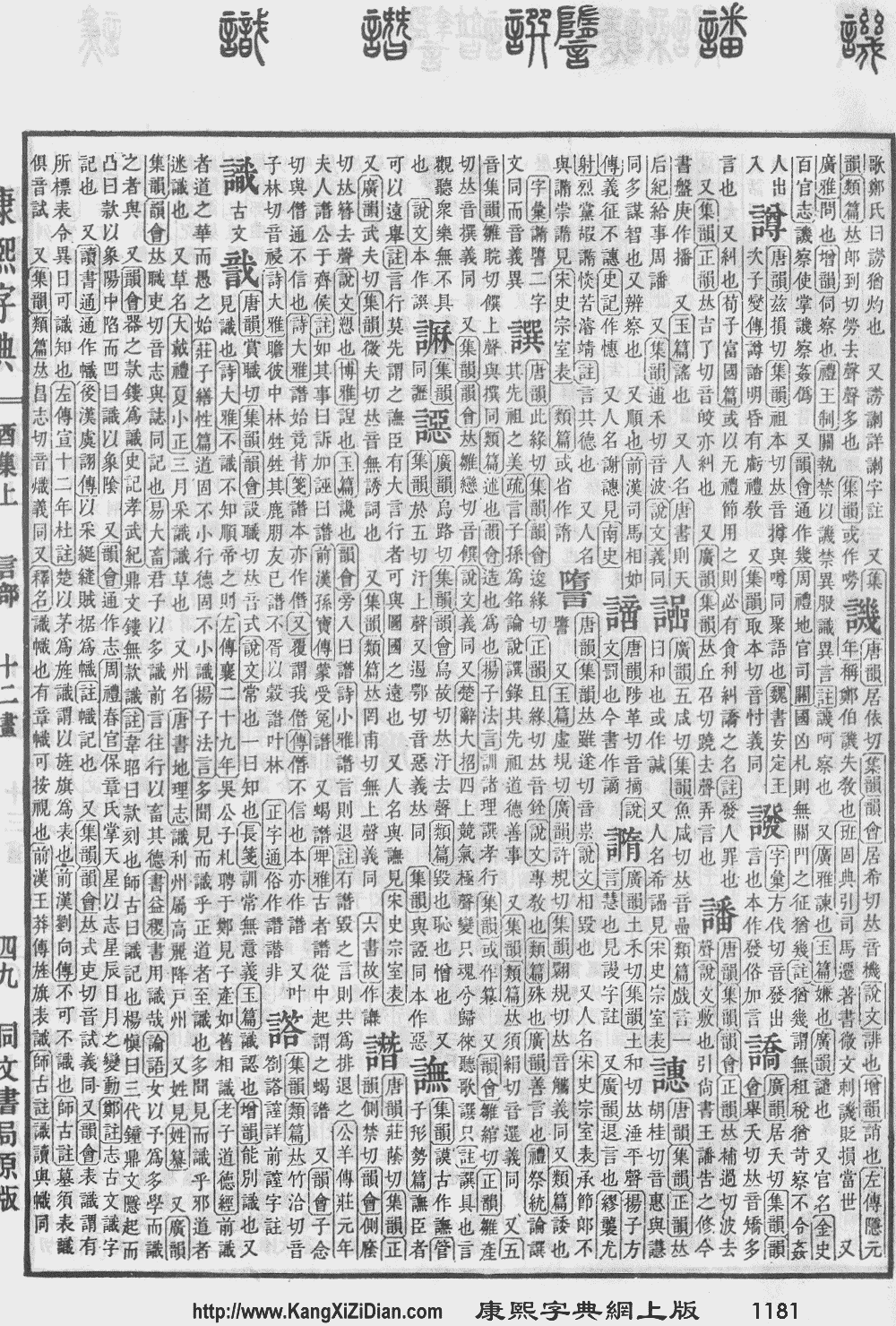
- Kangxi Dictionary: page 1181, character 17
- Dai Kanwa Jiten: character 35974
- Dae Jaweon: page 1644, character 28
- Hanyu Da Zidian (first edition): volume 6, page 4019, character 16
- Unihan data for U+8B58
- Unihan data for U+F9FC
Chinese
Glyph origin
| Historical forms of the character 識 | ||
|---|---|---|
| Western Zhou | Shuowen Jiezi (compiled in Han) | Liushutong (compiled in Ming) |
| Bronze inscriptions | Small seal script | Transcribed ancient scripts |
 |
 |
 |
Characters in the same phonetic series (戠) (Zhengzhang, 2003)
Phono-semantic compound (形聲/形声, OC *tjɯɡs, *hljɯɡ) : semantic 言 (“say”) + phonetic 戠 (OC *tjɯɡ).
Pronunciation
Definitions
識
- to know; to realise; to be aware
- (Cantonese, Hakka, dialectal Wu) to recognise; to be familiar with; to know (especially someone or how to do something)
- to appreciate; to recognise the worth of
- to distinguish; to discriminate
- knowledge; experience
- (Buddhism) mind; consciousness; vijnana
- † bosom friend; acquaintance
- † thought; awareness
- † Alternative form of 適/适 (“just now”)
Synonyms
Dialectal synonyms of 認識 (“to know (somebody)”) [map]
Dialectal synonyms of 會 (“to know how to; to be able to”) [map]
Compounds
- 一丁不識/一丁不识
- 一字不識/一字不识
- 一般見識/一般见识 (yībānjiànshí)
- 一面之識/一面之识
- 下意識/下意识 (xiàyìshí)
- 不相識/不相识
- 不見識面/不见识面
- 不識/不识 (bùshí)
- 不識一丁/不识一丁
- 不識之無/不识之无 (bùshízhīwú)
- 不識事/不识事
- 不識大體/不识大体 (bùshídàtǐ)
- 不識好歹/不识好歹 (bùshíhǎodǎi)
- 不識局面/不识局面
- 不識抬舉/不识抬举 (bùshítáiju)
- 不識數/不识数
- 不識斤兩/不识斤两
- 不識時務/不识时务 (bùshíshìwù)
- 不識時變/不识时变
- 不識氣/不识气
- 不識泰山/不识泰山
- 不識相/不识相
- 不識竅/不识窍
- 不識羞恥/不识羞耻
- 不識起倒/不识起倒
- 不識進退/不识进退
- 不識閒/不识闲 (bùshíxián)
- 不識風色/不识风色
- 不識高低/不识高低
- 似曾相識/似曾相识 (sìcéngxiāngshí)
- 保識人/保识人
- 先識/先识
- 先識遠量/先识远量
- 八識/八识 (bāshí)
- 六識/六识
- 共識/共识 (gòngshí)
- 共識決/共识决
- 別識別見/别识别见
- 前意識/前意识 (qiányìshí)
- 卓識/卓识
- 博聞多識/博闻多识
- 博聞強識/博闻强识 (bówénqiángzhì)
- 博識/博识 (bóshí)
- 危機意識/危机意识
- 反眼不識/反眼不识
- 同類意識/同类意识
- 唯識/唯识
- 唯識宗/唯识宗
- 唯識論/唯识论
- 善知識/善知识 (shànzhīshí)
- 器識/器识 (qìshí)
- 團體意識/团体意识
- 增長見識/增长见识
- 女性意識/女性意识
- 好相識/好相识
- 姘識/姘识
- 學識/学识 (xuéshí)
- 小見識/小见识
- 少魂沒識/少魂没识
- 常識/常识 (chángshí)
- 常識哲學/常识哲学
- 幸獲識荊/幸获识荆
- 惡識/恶识
- 感性知識/感性知识
- 意識/意识 (yìshí)
- 意識型態/意识型态
- 意識形態/意识形态 (yìshí xíngtài)
- 意識歷程/意识历程
- 意識流/意识流 (yìshíliú)
- 意識障礙/意识障碍
- 憂患意識/忧患意识
- 成唯識論/成唯识论
- 戴頭識臉/戴头识脸
- 才蔽識淺/才蔽识浅
- 才識/才识 (cáishí)
- 指紋辨識/指纹辨识
- 搭識/搭识
- 教一識百/教一识百
- 智識/智识 (zhìshí)
- 有意識/有意识 (yǒuyìshí)
- 有膽有識/有胆有识
- 有見識/有见识
- 有識/有识 (yǒushí)
- 有識之士/有识之士 (yǒushízhīshì)
- 有魂沒識/有魂没识
- 未識一丁/未识一丁
- 標識/标识
- 款識/款识
- 民族意識/民族意识
- 沒個見識/没个见识
- 沒見識/没见识
- 淺見寡識/浅见寡识
- 淺見薄識/浅见薄识
- 淹識/淹识
- 淵識/渊识
- 深識遠慮/深识远虑
- 潛意識/潜意识
- 無意識/无意识 (wúyìshí)
- 熟識/熟识 (shúshí)
- 理性認識/理性认识
- 理識/理识
- 略識之無/略识之无
- 病識感/病识感 (bìngshígǎn)
- 目不識丁/目不识丁 (mùbùshídīng)
- 目不識字/目不识字
- 相識/相识 (xiāngshí)
- 省識/省识
- 瞻識/瞻识
- 知情識趣/知情识趣
- 知時識務/知时识务
- 知機識變/知机识变
- 知羞識廉/知羞识廉
- 知識/知识
- 知識分子/知识分子
- 知識工程/知识工程
- 知識產權/知识产权
- 知識經濟/知识经济
- 知識論/知识论
- 知識階級/知识阶级
- 知輕識重/知轻识重
- 知音識趣/知音识趣
- 知高識低/知高识低
- 短見薄識/短见薄识
- 社區意識/社区意识
- 社會意識/社会意识
- 神識/神识
- 萬法唯識/万法唯识
- 積理練識/积理练识
- 紇字不識/纥字不识
- 素不相識/素不相识 (sùbùxiāngshí)
- 素識/素识
- 結識/结识 (jiéshí)
- 老相識/老相识 (lǎoxiāngshí)
- 老馬識途/老马识途 (lǎomǎshítú)
- 膽識/胆识 (dǎnshí)
- 膽識俱優/胆识俱优
- 自動辨識/自动辨识
- 舊相識/旧相识
- 舊識新交/旧识新交
- 航路標識/航路标识
- 薄識/薄识
- 表識/表识
- 見多識廣/见多识广 (jiànduōshíguǎng)
- 見精識精/见精识精
- 見經識經/见经识经
- 見識/见识 (jiànshí)
- 見識淺短/见识浅短
- 認識/认识
- 認識論/认识论
- 謬識/谬识
- 識丁/识丁
- 識人好過識字/识人好过识字
- 識別/识别 (shíbié)
- 識別信號/识别信号
- 識別證/识别证
- 識多才廣/识多才广
- 識大體/识大体 (shídàtǐ)
- 識字/识字 (shízì)
- 識局/识局
- 識才尊賢/识才尊贤
- 識文斷字/识文断字 (shíwénduànzì)
- 識文談字/识文谈字
- 識時務/识时务 (shíshíwù)
- 識時通變/识时通变
- 識時達務/识时达务
- 識時達變/识时达变
- 識水性/识水性
- 識相/识相 (shíxiàng)
- 識破/识破 (shípò)
- 識禮知書/识礼知书
- 識荊/识荆
- 識見/识见 (shíjiàn)
- 識認/识认 (shírèn)
- 識貨/识货 (shíhuò)
- 識趣/识趣 (shíqù)
- 識途老馬/识途老马
- 識量弘恢/识量弘恢
- 識面/识面 (shímiàn)
- 識面臺官/识面台官
- 識韓/识韩
- 讀書識字/读书识字 (dúshū shízì)
- 賞識/赏识 (shǎngshí)
- 辨識/辨识 (biànshí)
- 通才練識/通才练识
- 通識/通识 (tōngshí)
- 通識教育/通识教育 (tōngshí jiàoyù)
- 通識科目/通识科目
- 達識/达识
- 遠見卓識/远见卓识
- 鐘鼎款識/钟鼎款识
- 鑑識/鉴识 (jiànshí)
- 附識/附识
- 陰識/阴识
- 階級意識/阶级意识
- 陽識/阳识
- 題識/题识
- 高才卓識/高才卓识
- 高才遠識/高才远识
- 高明遠識/高明远识
- 高見遠識/高见远识
- 高識遠度/高识远度
- 高識遠見/高识远见
- 默識/默识
Pronunciation
Definitions
識
- † to put a mark
- † to remember
- 夫子曰:「小子識之,苛政猛於虎也。」 [Classical Chinese, trad.]
- From: The Book of Rites, c. 4th – 2nd century BCE, translated based on James Legge's version
- Fūzǐ yuē: “Xiǎozǐ zhì zhī, kēzhèng měng yú hǔ yě.” [Pinyin]
- The Master then said, "Remember this, my little children. Oppressive government is more terrible than tigers."
夫子曰:「小子识之,苛政猛于虎也。」 [Classical Chinese, simp.]
- † mark; sign
- † flag
- † raised words on an ancient bell or cauldron
Pronunciation
References
- “識”, in 漢語多功能字庫 (Multi-function Chinese Character Database), 香港中文大學 (the Chinese University of Hong Kong), 2014–
Japanese
| Shinjitai | 識 | |
| Kyūjitai [1][2] |
識󠄂 識+ 󠄂?(Hanyo-Denshi) (Moji_Joho) |
 |
| The displayed kanji may be different from the image due to your environment. See here for details. | ||
Readings
From Middle Chinese 識 (MC syik); compare Mandarin 識/识 (shí):
From Middle Chinese 識 (MC tsyiH); compare Mandarin 識/识 (zhì):
From native Japanese roots:
References
Korean
Etymology 1
From Middle Chinese 識 (MC syik).
| Historical Readings | ||
|---|---|---|
| Dongguk Jeongun Reading | ||
| Dongguk Jeongun, 1448 | Recorded as Middle Korean 식〮 (Yale: sík) in Dongguk Jeongun (東國正韻 / 동국정운), 1448. | |
| Middle Korean | ||
| Text | Eumhun | |
| Gloss (hun) | Reading | |
| Hunmong Jahoe, 1527 | 알 식 | Recorded as Middle Korean 식 (sik) (Yale: sik) in Sinjeung Yuhap (新增類合 / 신증유합), 1576. |
Pronunciation
- (SK Standard/Seoul) IPA(key): [ɕʰik̚]
- Phonetic hangul: [식]
Compounds
Etymology 2
From Middle Chinese 識 (MC tsyiH).
| Historical Readings | ||
|---|---|---|
| Dongguk Jeongun Reading | ||
| Dongguk Jeongun, 1448 | Recorded as Middle Korean 징〮 (Yale: cí?) in Dongguk Jeongun (東國正韻 / 동국정운), 1448. | |
| Middle Korean | ||
| Text | Eumhun | |
| Gloss (hun) | Reading | |
| Hunmong Jahoe, 1527 | ᄉᆡᆼ각 지[1] | Recorded as Middle Korean 지 (ci) (Yale: ci) in Sinjeung Yuhap (新增類合 / 신증유합), 1576. |
| ||
Pronunciation
- (SK Standard/Seoul) IPA(key): [t͡ɕi]
- Phonetic hangul: [지]
Vietnamese
This article is issued from Wiktionary. The text is licensed under Creative Commons - Attribution - Sharealike. Additional terms may apply for the media files.