機
| ||||||||
Translingual
| Japanese | 機∣机 |
|---|---|
| Simplified | 机 |
| Traditional | 機∣机 |
Han character
機 (Kangxi radical 75, 木+12, 16 strokes, cangjie input 木女戈戈 (DVII), four-corner 42953, composition ⿰木幾)
Derived characters
- 𣡯
Related characters
Descendants
- き (Hiragana character derived from Man'yōgana)
- キ (Katakana character derived from Man'yōgana)
References
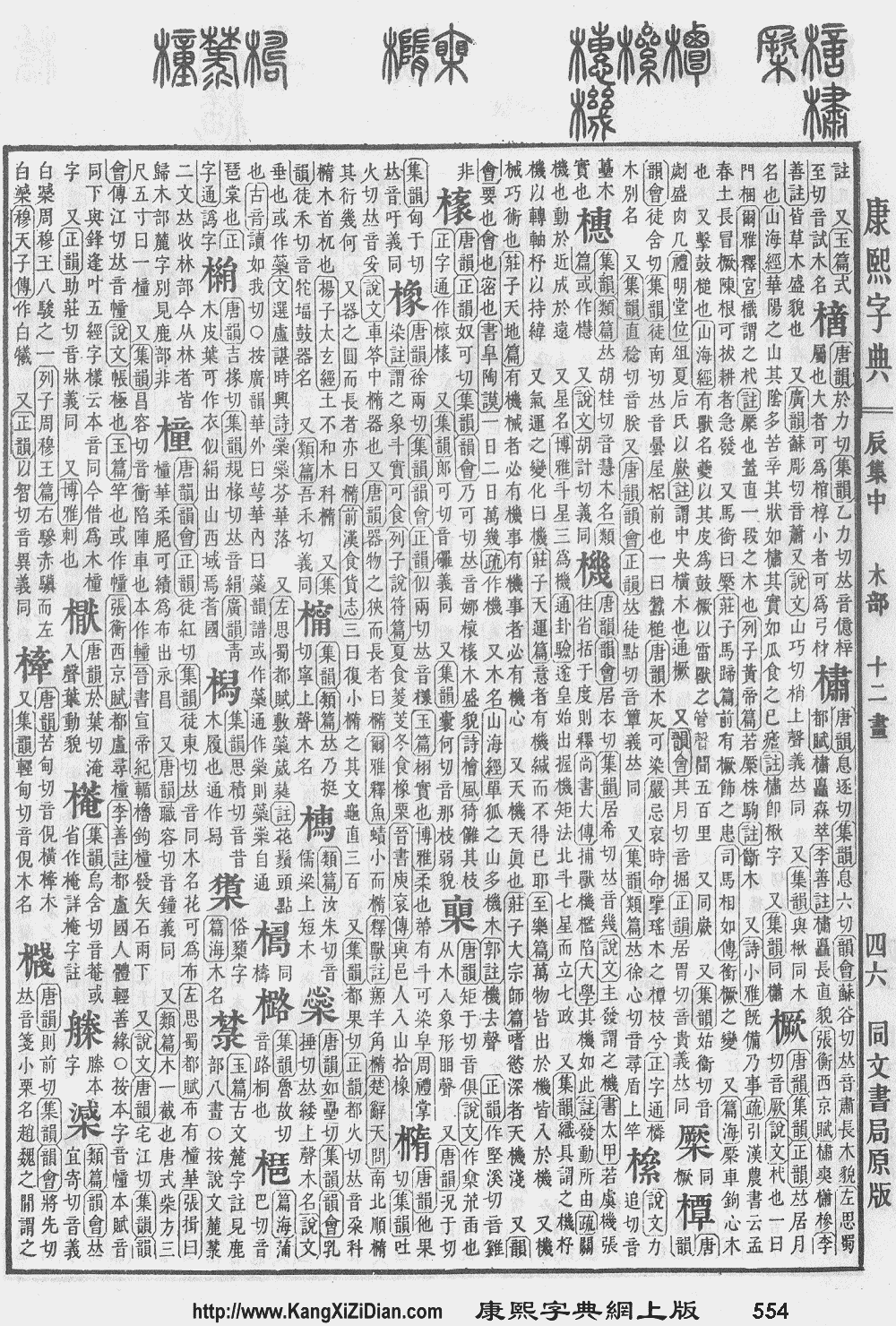
- Kangxi Dictionary: page 554, character 8
- Dai Kanwa Jiten: character 15561
- Dae Jaweon: page 942, character 20
- Hanyu Da Zidian (first edition): volume 2, page 1298, character 4
- Unihan data for U+6A5F
Chinese
| trad. | 機 | |
|---|---|---|
| simp. | 机* | |
Glyph origin
| Historical forms of the character 機 |
|---|
| Shuowen Jiezi (compiled in Han) |
| Small seal script |
 |
Phono-semantic compound (形聲/形声, OC *kɯl) : semantic 木 + phonetic 幾 (OC *kɯl, *kɯlʔ, *ɡɯl, *ɡɯls).
Pronunciation
Definitions
機
- weaving machine; spinning machine
- machine; apparatus; device
- (mostly in compounds) Short for 飛機/飞机 (fēijī, “aircraft”). (Classifier: 架 c)
- (mostly in compounds) Short for 手機/手机 (shǒujī, “cellphone”).
- (chiefly Cantonese) Short for 遊戲機/游戏机 (yóuxìjī, “video game”).
- flight (Classifier: 班 m c)
- mechanism; process
- cause; reason
- secret; confidential (affair)
- opportunity; chance; crucial point
- plan; idea
- flexible; quick-witted
- organic
Compounds
- 一機靈/一机灵
- 三機/三机
- 丘處機/丘处机
- 主機/主机 (zhǔjī)
- 乘機/乘机 (chéngjī)
- 乾燥機/干燥机 (gānzàojī)
- 乾衣機/干衣机 (gānyījī)
- 亂機/乱机
- 事機/事机 (shìjī)
- 交換機/交换机 (jiāohuànjī)
- 仙機/仙机
- 代碼機/代码机
- 伴唱機/伴唱机
- 伺機/伺机 (sìjī)
- 佛郎機/佛郎机 (fólángjī)
- 信號機/信号机 (xìnhàojī)
- 候機室/候机室 (hòujīshì)
- 偵察機/侦察机 (zhēnchájī)
- 停機坪/停机坪 (tíngjīpíng)
- 傾卸機/倾卸机
- 傳呼機/传呼机 (chuánhūjī)
- 傳真機/传真机 (chuánzhēnjī)
- 僚機/僚机
- 先機/先机
- 光碟機/光碟机 (guāngdiéjī)
- 內燃機/内燃机 (nèiránjī)
- 兵機/兵机
- 冷氣機/冷气机 (lěngqìjī)
- 分機/分机 (fēnjī)
- 列印機/列印机 (lièyìnjī)
- 列表機/列表机
- 刨冰機/刨冰机 (bàobīngjī)
- 割稻機/割稻机
- 割草機/割草机 (gēcǎojī)
- 加油機/加油机
- 劫機/劫机 (jiéjī)
- 動機/动机 (dòngjī)
- 包機/包机 (bāojī)
- 升降機 (shēngjiàngjī)
- 印刷機/印刷机 (yìnshuājī)
- 危機/危机 (wēijī)
- 印表機/印表机 (yìnbiǎojī)
- 司機/司机 (sījī)
- 合機/合机
- 吹風機/吹风机 (chuīfēngjī)
- 唱機/唱机 (chàngjī)
- 噴射機/喷射机 (pēnshèjī)
- 噴氣機/喷气机 (pēnqìjī)
- 噴灑機/喷洒机
- 噴霧機/喷雾机
- 報話機/报话机 (bàohuàjī)
- 壓力機/压力机
- 壓縮機/压缩机
- 壓路機/压路机 (yālùjī)
- 外燃機/外燃机
- 大軍機/大军机
- 天機/天机 (tiānjī)
- 失機/失机
- 契機/契机 (qìjī)
- 字幕機/字幕机
- 孵卵機/孵卵机
- 宕機/宕机 (dàngjī)
- 客機/客机 (kèjī)
- 家機布/家机布
- 專機/专机 (zhuānjī)
- 對講機/对讲机 (duìjiǎngjī)
- 屈機/屈机
- 工具機/工具机
- 帶鋸機/带锯机
- 平土機/平土机
- 幻燈機/幻灯机 (huàndēngjī)
- 弩機/弩机
- 張機/张机
- 影印機/影印机 (yǐngyìnjī)
- 待機/待机 (dàijī)
- 心機/心机 (xīnjī)
- 忘機/忘机
- 戎機/戎机 (róngjī)
- 截碼機/截码机
- 戰機/战机 (zhànjī)
- 戰鬥機/战斗机 (zhàndòujī)
- 手機/手机 (shǒujī)
- 打卡機/打卡机
- 打孔機/打孔机 (dǎkǒngjī)
- 打字機/打字机 (dǎzìjī)
- 打樁機/打桩机 (dǎzhuāngjī)
- 打機/打机 (dǎjī)
- 打水機/打水机
- 打火機/打火机 (dǎhuǒjī)
- 打爆機/打爆机
- 打穀機/打谷机
- 打簿機/打簿机
- 打蠟機/打蜡机
- 投影機/投影机
- 投機/投机 (tóujī)
- 扳機/扳机 (bānjī)
- 找機會/找机会
- 投機股/投机股
- 投球機/投球机
- 投票機/投票机 (tóupiàojī)
- 拖拉機/拖拉机 (tuōlājī)
- 拖曳機/拖曳机
- 抽氣機/抽气机
- 抽水機/抽水机 (chōushuǐjī)
- 拍節機/拍节机
- 抽風機/抽风机
- 拷克機/拷克机
- 挖土機/挖土机 (wātǔjī)
- 掘土機/掘土机 (juétǔjī)
- 推土機/推土机 (tuītǔjī)
- 捲揚機/卷扬机
- 捷機/捷机
- 排氣機/排气机
- 掃街機/扫街机
- 排風機/排风机
- 提款機/提款机 (tíkuǎnjī)
- 插秧機/插秧机
- 搞飛機/搞飞机
- 撒播機/撒播机
- 播種機/播种机
- 擠乳機/挤乳机
- 擴大機/扩大机
- 攔截機/拦截机
- 攝像機/摄像机 (shèxiàngjī)
- 攝影機/摄影机 (shèyǐngjī)
- 攪拌機/搅拌机 (jiǎobànjī)
- 攪碎機/搅碎机
- 支票機/支票机
- 收報機/收报机
- 收銀機/收银机 (shōuyínjī)
- 收音機/收音机 (shōuyīnjī)
- 攻擊機/攻击机
- 放影機/放影机
- 放映機/放映机 (fàngyìngjī)
- 救火機/救火机
- 教練機/教练机 (jiàoliànjī)
- 數據機/数据机 (shùjùjī)
- 敵機/敌机 (díjī)
- 時機/时机 (shíjī)
- 暈機/晕机 (yùnjī)
- 暖氣機/暖气机
- 曳引機/曳引机
- 有機/有机 (yǒujī)
- 有機物/有机物 (yǒujīwù)
- 有機的/有机的
- 有機質/有机质 (yǒujīzhì)
- 有機酸/有机酸
- 有機體/有机体 (yǒujītǐ)
- 果汁機/果汁机 (guǒzhījī)
- 柴油機/柴油机 (cháiyóujī)
- 榨汁機 (zhàzhījī)
- 樞機/枢机 (shūjī)
- 機事/机事
- 機井/机井 (jījǐng)
- 機件/机件 (jījiàn)
- 機位/机位 (jīwèi)
- 機伶/机伶
- 機伶人/机伶人
- 機修/机修 (jīxiū)
- 機先/机先
- 機兵/机兵
- 機具/机具 (jījù)
- 機利/机利
- 機制/机制 (jīzhì)
- 機務/机务 (jīwù)
- 機動/机动 (jīdòng)
- 機動性/机动性 (jīdòngxìng)
- 機務段/机务段 (jīwùduàn)
- 機動車/机动车 (jīdòngchē)
- 機匠/机匠
- 機器/机器 (jīqì)
- 機器人/机器人 (jīqìrén)
- 機器手/机器手
- 機器油/机器油
- 機型/机型 (jīxíng)
- 機場/机场 (jīchǎng)
- 機子/机子 (jīzi)
- 機宜/机宜 (jīyí)
- 機密/机密 (jīmì)
- 機工/机工 (jīgōng)
- 機巧/机巧 (jīqiǎo)
- 機帆船/机帆船
- 機師/机师 (jīshī)
- 機床/机床 (jīchuáng)
- 機彀/机彀
- 機徽/机徽
- 機心/机心 (jīxīn)
- 機悟/机悟
- 機感/机感
- 機應/机应
- 機戶/机户
- 機房/机房 (jīfáng)
- 機手/机手
- 機扣/机扣
- 機括/机括
- 機捷/机捷
- 機播/机播
- 機敏/机敏 (jīmǐn)
- 機斷/机断
- 機智/机智 (jīzhì)
- 機會/机会 (jīhuì)
- 機杼/机杼 (jīzhù)
- 機柄/机柄
- 機栝/机栝
- 機械/机械 (jīxiè)
- 機械人/机械人 (jīxièrén)
- 機械化/机械化 (jīxièhuà)
- 機械手/机械手
- 機械油/机械油
- 機械能/机械能 (jīxiènéng)
- 機械論/机械论 (jīxièlùn)
- 機槍/机枪 (jīqiāng)
- 機構/机构 (jīgòu)
- 機槽/机槽
- 機歪/机歪 (jīwāi)
- 機油/机油 (jīyóu)
- 機牙/机牙
- 機率/机率 (jīlǜ)
- 機理/机理 (jīlǐ)
- 機發/机发
- 機神/机神
- 機票/机票 (jīpiào)
- 機米/机米 (jīmǐ)
- 機組/机组 (jīzǔ)
- 機緣/机缘 (jīyuán)
- 機緘/机缄
- 機繡/机绣
- 機織/机织
- 機群/机群 (jīqún)
- 機翼/机翼 (jīyì)
- 機耕/机耕 (jīgēng)
- 機能/机能 (jīnéng)
- 機臂/机臂
- 機舖/机铺
- 機艙/机舱 (jīcāng)
- 機衡/机衡
- 機要/机要 (jīyào)
- 機見/机见
- 機詐/机诈
- 機謀/机谋 (jīmóu)
- 機警/机警 (jījǐng)
- 機變/机变 (jībiàn)
- 機趣/机趣
- 機身/机身 (jīshēn)
- 機車/机车 (jīchē)
- 機軸/机轴 (jīzhóu)
- 機辟
- 機遇/机遇 (jīyù)
- 機運/机运 (jīyùn)
- 機鋒/机锋
- 機長/机长 (jīzhǎng)
- 機關/机关 (jīguān)
- 機關報/机关报 (jīguānbào)
- 機關槍/机关枪 (jīguānqiāng)
- 機關炮/机关炮 (jīguānpào)
- 機關車/机关车 (jīguānchē)
- 機關頭/机关头
- 機電/机电 (jīdiàn)
- 機靈/机灵
- 機靈鬼/机灵鬼 (jīlingguǐ)
- 機體/机体 (jītǐ)
- 步行機/步行机
- 步話機/步话机 (bùhuàjī)
- 步談機/步谈机 (bùtánjī)
- 殲擊機/歼击机 (jiānjījī)
- 殺機/杀机 (shājī)
- 母機/母机 (mǔjī)
- 氣輪機/气轮机
- 水壓機/水压机
- 水輪機/水轮机 (shuǐlúnjī)
- 沖壓機/冲压机
- 汽機/汽机 (qìjī)
- 汲水機/汲水机
- 沖空機/冲空机
- 汽輪機/汽轮机 (qìlúnjī)
- 油印機/油印机 (yóuyìnjī)
- 活機/活机
- 洗碗機/洗碗机 (xǐwǎnjī)
- 洗衣機/洗衣机 (xǐyījī)
- 液壓機/液压机
- 測謊機/测谎机 (cèhuǎngjī)
- 渦輪機/涡轮机 (wōlúnjī)
- 滑翔機/滑翔机 (huáxiángjī)
- 烘乾機/烘干机 (hōnggānjī)
- 烘培機/烘培机 (hōngpéijī)
- 烘碗機/烘碗机
- 無機/无机 (wújī)
- 無機體/无机体
- 無機鹽/无机盐 (wújīyán)
- 照相機/照相机 (zhàoxiàngjī)
- 蒸汽機/蒸汽机 (zhēngqìjī)
- 熱機/热机 (rèjī)
- 燒錄機/烧录机
- 爆機/爆机
- 牙機/牙机
- 牽引機/牵引机
- 牽機藥/牵机药
- 玄機/玄机 (xuánjī)
- 班機/班机 (bānjī)
- 球磨機/球磨机
- 生機/生机 (shēngjī)
- 留聲機/留声机 (liúshēngjī)
- 當機/当机 (dàngjī)
- 發動機/发动机 (fādòngjī)
- 發報機/发报机
- 發射機/发射机 (fāshèjī)
- 登機室/登机室
- 登機證/登机证 (dēngjīzhèng)
- 發送機/发送机
- 發電機/发电机 (fādiànjī)
- 盤盒機/盘盒机
- 直升機 (zhíshēngjī)
- 相機/相机 (xiàngjī)
- 知機/知机 (zhījǐ)
- 砑光機/砑光机
- 研磨機/研磨机 (yánmójī)
- 砂輪機/砂轮机
- 磁帶機/磁带机
- 碟影機/碟影机
- 磁碟機/磁碟机 (cídiéjī)
- 礱穀機/砻谷机
- 神機/神机 (shénjī)
- 禪機/禅机 (chánjī)
- 萬機/万机 (wànjī)
- 空氣機/空气机
- 空調機/空调机
- 答錄機/答录机 (dálùjī)
- 精米機/精米机
- 純水機/纯水机
- 紡織機/纺织机 (fǎngzhījī)
- 終端機/终端机 (zhōngduānjī)
- 綾機/绫机
- 線鋸機/线锯机
- 總機/总机 (zǒngjī)
- 縫紉機/缝纫机 (féngrènjī)
- 織布機/织布机 (zhībùjī)
- 翕相機/翕相机 (hip-siòng-ki)
- 耕耘機/耕耘机 (gēngyúnjī)
- 耳機/耳机 (ěrjī)
- 聲碟機/声碟机
- 脫水機/脱水机
- 脫穀機/脱谷机
- 腰機/腰机
- 臨機/临机
- 良機/良机 (liángjī)
- 花機/花机
- 藏機/藏机
- 藉機/借机
- 號碼機/号码机
- 複印機/复印机 (fùyìnjī)
- 見機/见机 (jiànjī)
- 觸機/触机
- 計算機/计算机 (jìsuànjī)
- 說兵機/说兵机
- 讀卡機/读卡机
- 貨機/货机 (huòjī)
- 販賣機/贩卖机 (fànmàijī)
- 費心機/费心机
- 起重機/起重机 (qǐzhòngjī)
- 起電機/起电机
- 趁機/趁机 (chènjī)
- 跳機/跳机
- 軋花機/轧花机 (yàhuājī)
- 軋路機/轧路机
- 軋道機/轧道机
- 軋鋼機/轧钢机
- 軍機/军机 (jūnjī)
- 軍機處/军机处 (jūnjīchù)
- 載機/载机
- 輪機/轮机 (lúnjī)
- 轉機/转机 (zhuǎnjī)
- 轟炸機/轰炸机 (hōngzhàjī)
- 農機/农机 (nóngjī)
- 送風機/送风机
- 透平機/透平机 (tòupíngjī)
- 通風機/通风机
- 運輸機/运输机 (yùnshūjī)
- 運送機/运送机
- 釘書機/钉书机 (dìngshūjī)
- 錄像機/录像机 (lùxiàngjī)
- 錄影機/录影机 (lùyǐngjī)
- 錄音機/录音机 (lùyīnjī)
- 鍘草機/铡草机
- 鎗機/枪机
- 鏟土機/铲土机 (chǎntǔjī)
- 鑽機/钻机 (zuànjī)
- 長機/长机 (zhǎngjī)
- 開山機/开山机
- 開機/开机 (kāijī)
- 開飲機/开饮机
- 閱讀機/阅读机
- 關機/关机 (guānjī)
- 除溼機/除湿机 (chúshījī)
- 陸機/陆机
- 隨機/随机 (suíjī)
- 電動機/电动机 (diàndòngjī)
- 電唱機/电唱机 (diànchàngjī)
- 電機/电机 (diànjī)
- 電視機/电视机 (diànshìjī)
- 電算機/电算机 (diànsuànjī)
- 電話機/电话机 (diànhuàjī)
- 霸機/霸机 (bàjī)
- 靈機/灵机 (língjī)
- 靶機/靶机 (bǎjī)
- 音碟機/音碟机
- 風機/风机
- 飛機/飞机 (fēijī)
- 飛機場/飞机场 (fēijīchǎng)
- 飲水機/饮水机 (yǐnshuǐjī)
- 驗鈔機/验钞机 (yànchāojī)
- 魚玄機/鱼玄机
- 點唱機/点唱机
- 鼓風機/鼓风机 (gǔfēngjī)
Descendants
Others:
References
- “機”, in 漢語多功能字庫 (Multi-function Chinese Character Database), 香港中文大學 (the Chinese University of Hong Kong), 2014–
Japanese
Readings
Compounds
Usage notes
Alternative forms


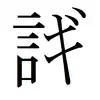
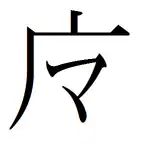
機 has many ryakuji (handwritten abbreviations), as it is a common character with many strokes (16):


Etymology 1
| Kanji in this term |
|---|
| 機 |
| き Grade: 4 |
| on’yomi |
From Middle Chinese 機/机 (kjɨj, “mechanism; opportunity, chance”). Compare modern Min Nan reading ki.
Noun
機 • (ki)
- a machine, a device; a contraption
- (weaving) a loom
- an opportunity, a chance to do something; the right time or moment
- something of great importance: the linchpin of the matter
- resourcefulness
- (Buddhism) the moment of being moved into action by the teachings of the Buddha: see 機根 (kikon)
- by extension, the workings of the heart or mind in general
- in Noh theater, the breath of the mind
- short for 飛行機 (hikōki): an airplane, an aircraft
- short for 機関銃 (kikanjū): a machine gun
Idiom
- 機が熟する (ki ga jukusuru): the time is ripe; a golden opportunity
- 機に乗じる (ki ni jōjiru), 機に投じる (ki ni tōjiru): to sieze the moment, to jump at the chance
- 機に臨み変に応ずる (ki ni nozomi hen ni ōzuru), 機に応ずる (ki ni ōzuru): to move with the times
- 機に因って法を説く (ki ni yotte hō o toku): to change the message to suit one's audience: to alter the format or presentation for better acceptance, without changing the core ideas being conveyed
- 機を逸する (ki o issuru), 機を失する (ki o shissuru): to miss the boat, to miss out
Etymology 2
| Kanji in this term |
|---|
| 機 |
| こぶち Grade: 4 |
| kun’yomi |
| Alternative spelling |
|---|
| 首打 |
Alteration from こうべうち (kōbeuchi),[3] itself a compound of 首 (kōbe, “head”) + 打ち (uchi, “striking, hitting”).[3][1]
Etymology 3
| Kanji in this term |
|---|
| 機 |
| はた Grade: 4 |
| kun’yomi |
From onomatopoeic はた (hata), possibly for the sound of the shuttle running back and forth, or for the sound of a woven cloth moving in the wind, compare 旗 (hata, “a flag”). Compare Korean 베틀 (beteul).
Etymology 4
| Kanji in this term |
|---|
| 機 |
| わかつり Grade: 4 |
| kun’yomi |
The 連用形 (ren'yōkei, “continuative or stem form”) of verb 機る (wakatsuru, “to manipulate something”),[3] itself an alteration of 誘る (okotsuru, “to manipulate or con someone”),[3] a compound of 痴 (oko, “a fool”) + 釣る (tsuru, “to fish, to draw out”).[3]
Pronunciation
- IPA(key): [ɰᵝa̠ka̠t͡sɨᵝɾʲi]
Noun
機 • (wakatsuri)
- manipulation (as in a device)
- manipulation (as in a person): deception, taking someone in
- getting on someone's right side; humoring someone; an effort to please someone
References
- Matsumura, Akira, editor (2006), 大辞林 [Daijirin] (in Japanese), Third edition, Tōkyō: Sanseidō, →ISBN
- NHK Broadcasting Culture Research Institute, editor (1998), NHK日本語発音アクセント辞典 [NHK Japanese Pronunciation Accent Dictionary] (in Japanese), Tōkyō: NHK Publishing, →ISBN
- Shōgaku Tosho (1988) 国語大辞典(新装版) [Unabridged Dictionary of Japanese (Revised Edition)] (in Japanese), Tōkyō: Shogakukan, →ISBN
Korean
Etymology
From Middle Chinese 機 (MC kj+j). Recorded as Middle Korean 긔 (kuy) (Yale: kuy) in Hunmong Jahoe (訓蒙字會 / 훈몽자회), 1527.
Compounds
- 기경 (機警, gigyeong)
- 기계 (機械, gigye)
- 기관 (機關, gigwan)
- 기교 (機巧, gigyo)
- 기구 (機構, gigu)
- 기근 (機根, gigeun)
- 기기 (機器, gigi)
- 기능 (機能, gineung)
- 기동 (機動, gidong)
- 기략 (機略, giryak)
- 기무 (機務, gimu)
- 기민 (機敏, gimin)
- 기밀 (機密, gimil)
- 기변 (機變, gibyeon)
- 기봉 (機鋒, gibong)
- 기선 (機先, giseon)
- 기심 (機心, gisim)
- 기업 (機業, gieop)
- 기연 (機緣, giyeon)
- 기운 (機運, giun)
- 기의 (機宜, giui)
- 기지 (機智, giji)
- 기축 (機軸, gichuk)
- 기회 (機會, gihoe)
- 계기 (契機, gyegi)
- 동기 (動機, donggi)
- 승기 (乘機, seunggi)
- 시기 (時機, sigi)
- 실기 (失機, silgi)
- 심기 (心機, simgi)
- 위기 (危機, wigi)
- 유기 (有機, yugi)
- 직기 (織機, jikgi)
- 천기 (天機, cheon'gi)
- 춘기 (春機, chun'gi)
- 타기 (舵機, tagi)
- 투기 (投機, tugi)
- 호기 (好機, hogi)
- 화기 (禍機, hwagi)
- 화기 (花機, hwagi)
- 기관차 (機關車, gigwancha)
- 기관총 (機關銃, gigwanchong)
- 대기실 (待機室, daegisil)
- 무기물 (無機物, mugimul)
- 신기축 (新機軸, sin'gichuk)
- 일기축 (一機軸, ilgichuk)
- 거중기 (擧重機, geojunggi)
- 건조기 (乾燥機, geonjogi)
- 경운기 (耕耘機, gyeong'un'gi)
- 계산기 (計算機, gyesan'gi)
- 굴착기 (掘鑿機, gulchakgi)
- 기중기 (起重機, gijunggi)
- 단엽기 (單葉機, danyeopgi)
- 발동기 (發動機, baldonggi)
- 복사기 (複寫機, boksagi)
- 복엽기 (複葉機, bogyeopgi)
- 비행기 (飛行機, bihaenggi)
- 사진기 (寫眞機, sajin'gi)
- 사출기 (射出機, sachulgi)
- 삼엽기 (三葉機, samyeopgi)
- 선풍기 (扇風機, seonpunggi)
- 세탁기 (洗濯機, setakgi)
- 수화기 (受話機, suhwagi)
- 승강기 (昇降機, seungganggi)
- 압착기 (壓搾機, apchakgi)
- 여객기 (旅客機, yeogaekgi)
- 원동기 (原動機, wondonggi)
- 윤전기 (輪轉機, yunjeon'gi)
- 인쇄기 (印刷機, inswaegi)
- 자판기 (自販機, japan'gi)
- 전화기 (電話機, jeonhwagi)
- 제설기 (除雪機, jeseolgi)
- 착암기 (鑿岩機, chagamgi)
- 청소기 (淸掃機, cheongsogi)
- 청음기 (聽音機, cheong'eumgi)
- 축음기 (蓄音機, chugeumgi)
- 타자기 (打字機, tajagi)
- 탐지기 (探知機, tamjigi)
- 폭격기 (爆擊機, pokgyeokgi)
- 항공기 (航空機, hanggonggi)
- 식기세척기 (食器洗滌機, sikgisecheokgi)
- 원심분리기 (遠心分離機, wonsimbulligi)