よ
 | ||||||||
Translingual
Hachijō
Etymology
Ultimately from Proto-Japonic *uwo.
Pronunciation
- IPA(key): [jo]
References
- Hirayama, Teruo (平山 照男), Ōshima Ichirō (大島 一郎), Ōno Masao (大野 眞男), Kuno Makoto (久野 眞), Kuno Mariko (久野 マリ子), Sugimura Takao (杉村 孝夫) (1992-1994) 現代日本語方言大辞典 [Dictionary of Japanese Dialects], Tokyo: Meiji Shoin (明治書院), page 551
Japanese
| Stroke order | |||
|---|---|---|---|
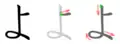 | |||
Pronunciation
- IPA(key): [jo̞]
Etymology 1
Derived in the Heian period from writing the man'yōgana kanji 与 in the cursive sōsho style.
Syllable
よ • (yo)
See also
Particle
よ • (yo)
- Indicates certainty, conviction, or emphasis.
- 「ポレット先生はいますか。」「はい、いますよ。」
- “Poretto sensei wa imasu ka.”“Hai, imasu yo.”
- "Is Mr. Pollett here?" "Yes, [I'm certain that] he is here."
- そうじゃないよ!
- Sō ja nai yo!
- It's not like that!
- 「ポレット先生はいますか。」「はい、いますよ。」
- (literary, poetic) Used as a vocative particle to address the topic in question: O.
- 雨よ雪に変わってくれ。
- Ame yo yuki ni kawattekure.
- O rain! Please change into snow!
- 『神よツァーリを護り給え』
- “Kami yo Tsāri o mamoritamae”
- "God Save the Tsar!"
- 「万国の労働者よ、団結せよ!」
- “Bankoku no rōdōsha yo, danketsu seyo!”
- "Workers of the world, unite!"
- 雨よ雪に変わってくれ。
Synonyms
- (final particle): (informal) お (o)
This article is issued from Wiktionary. The text is licensed under Creative Commons - Attribution - Sharealike. Additional terms may apply for the media files.