誤
See also: 误
| ||||||||
Translingual
| Japanese | 誤 |
|---|---|
| Simplified | 误 |
| Traditional | 誤 |
Han character
誤 (Kangxi radical 149, 言+7, 14 strokes, cangjie input 卜口口一大 (YRRMK) or 卜口口女大 (YRRVK), four-corner 06681, composition ⿰訁吴 or ⿰訁呉 or ⿰訁吳)
References
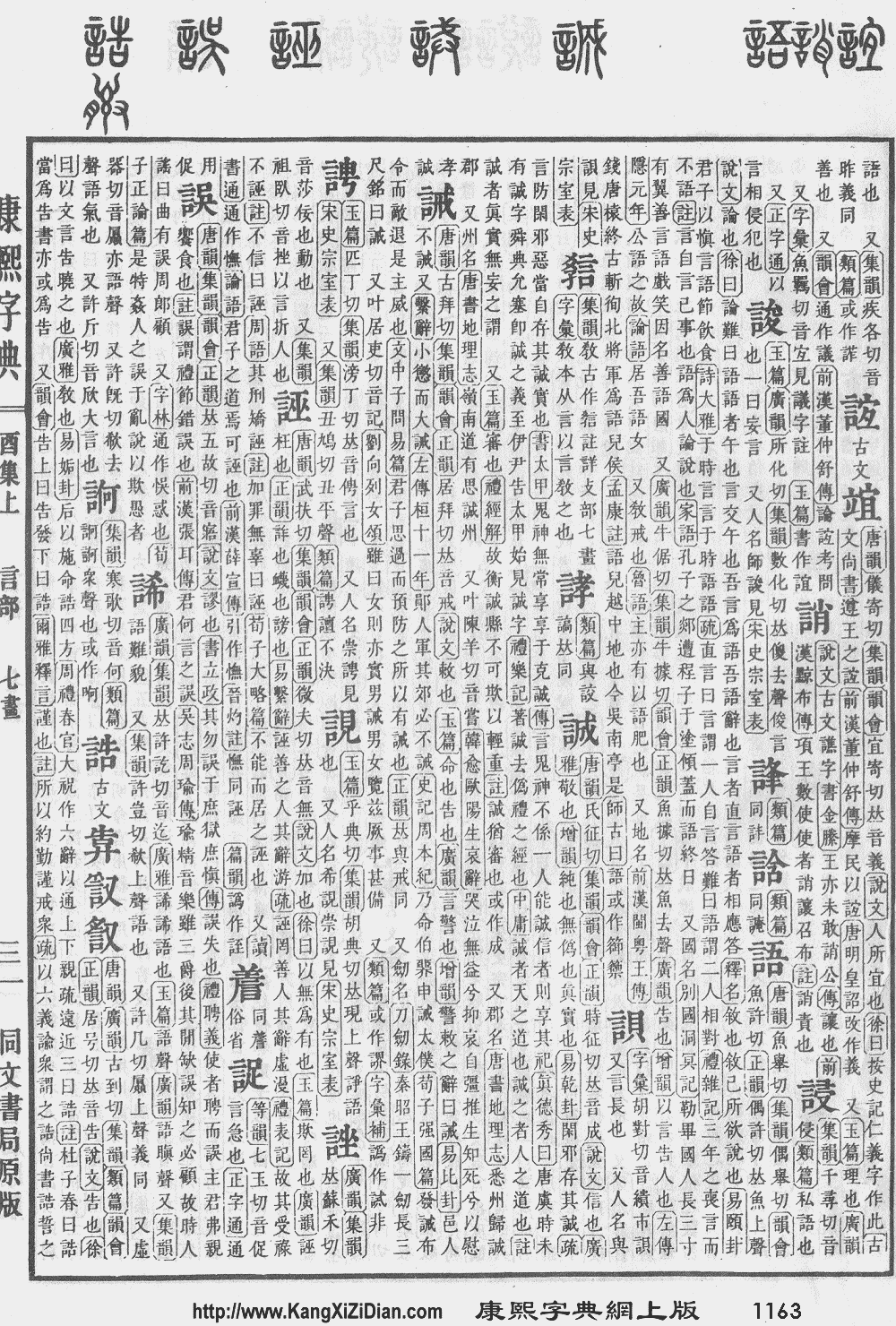
- Kangxi Dictionary: page 1163, character 20
- Dai Kanwa Jiten: character 35546
- Dae Jaweon: page 1629, character 4
- Hanyu Da Zidian (first edition): volume 6, page 3976, character 3
- Unihan data for U+8AA4
Chinese
| trad. | 誤 | |
|---|---|---|
| simp. | 误 | |
| alternative forms | 悞/悮 | |
Glyph origin
Characters in the same phonetic series (吳) (Zhengzhang, 2003)
Phono-semantic compound (形聲/形声, OC *ŋʷaːs) : semantic 言 (“speech”) + phonetic 吳 (OC *ŋʷaː) – to speak an error.
Pronunciation
Definitions
誤
- incorrect
- error; mistake
- to miss
- to hinder; to impair; to delay
- 但是我這銀子,三日內有個要緊用處,你可別誤了我的事! [Written Vernacular Chinese, trad.]
- From: 1907 CE, Liu E, The Travels of Lao Can
- Dànshì wǒ zhè yínzi, sānrì nèi yǒu ge yàojǐn yòngchù, nǐ kě bié wù le wǒ de shì! [Pinyin]
- But I have an important use for this money in three days. Don't mess things up for me!
但是我这银子,三日内有个要紧用处,你可别误了我的事! [Written Vernacular Chinese, simp.]
- to confuse; to delude
- mistakenly
- (Internet slang) A particle placed at the end of a sentence to indicate that the poster is joking. (used with parentheses) (Can we add an example for this sense?)
Compounds
- 一差二誤/一差二误 (yīchā'èrwù)
- 一誤再誤/一误再误 (yīwùzàiwù)
- 不得有誤/不得有误
- 乖誤/乖误
- 偏誤/偏误 (piānwù)
- 刊誤/刊误 (kānwù)
- 刊誤表/刊误表 (kānwùbiǎo)
- 勘誤/勘误 (kānwù)
- 勘誤表/勘误表 (kānwùbiǎo)
- 口誤/口误 (kǒuwù)
- 合理錯誤/合理错误 (hélǐ cuòwù)
- 因循坐誤/因循坐误
- 失誤/失误 (shīwù)
- 延誤/延误 (yánwù)
- 扶同詿誤/扶同诖误
- 擔誤/担误
- 東差西誤/东差西误
- 欺君誤國/欺君误国
- 正誤/正误 (zhèngwù)
- 正誤表/正误表
- 洪喬之誤/洪乔之误
- 無誤/无误 (wúwù)
- 筆誤/笔误 (bǐwù)
- 罣誤/罣误
- 耽誤/耽误
- 脫誤/脱误
- 臨期失誤/临期失误
- 自誤/自误 (zìwù)
- 舛誤/舛误
- 訛誤/讹误 (éwù)
- 詿誤/诖误
- 誤事/误事 (wùshì)
- 誤人/误人
- 誤人子弟/误人子弟 (wùrénzǐdì)
- 誤信/误信 (wùxìn)
- 誤傳/误传 (wùchuán)
- 誤傷/误伤 (wùshāng)
- 誤入歧途/误入歧途 (wùrùqítú)
- 誤判/误判 (wùpàn)
- 誤區/误区 (wùqū)
- 誤國/误国 (wùguó)
- 誤國害民/误国害民
- 誤國欺君/误国欺君
- 誤國殄民/误国殄民
- 誤國殃民/误国殃民
- 誤報/误报 (wùbào)
- 誤寫/误写
- 誤導/误导 (wùdǎo)
- 誤差/误差 (wùchā)
- 誤打誤撞/误打误撞 (wùdǎwùzhuàng)
- 誤投/误投
- 誤時/误时
- 誤會/误会 (wùhuì)
- 誤期/误期 (wùqī)
- 誤植/误植 (wùzhí)
- 誤殺/误杀 (wùshā)
- 誤用/误用 (wùyòng)
- 誤解/误解 (wùjiě)
- 誤診/误诊 (wùzhěn)
- 誤認/误认 (wùrèn)
- 誖誤/誖误
- 誤謬/误谬 (wùmiù)
- 誤譯/误译 (wùyì)
- 誤讀/误读 (wùdú)
- 誤餐/误餐
- 誤餐費/误餐费
- 誤點/误点 (wùdiǎn)
- 謬誤/谬误 (miùwù)
- 謬誤百出/谬误百出
- 貽誤/贻误 (yíwù)
- 迷誤/迷误 (míwù)
- 違誤/违误 (wéiwù)
- 過誤/过误
- 遲誤/迟误 (chíwù)
- 錯誤/错误 (cuòwù)
Japanese
| Shinjitai | 誤 |  |
| Kyūjitai [1][2][3] |
誤󠄁 誤+ 󠄁?(Adobe-Japan1) |
 |
| 誤󠄄 誤+ 󠄄?(Hanyo-Denshi) (Moji_Joho) | ||
| The displayed kanji may be different from the image due to your environment. See here for details. | ||
Readings
Compounds
Compounds
- 誤飲 (goin)
- 誤嚥 (goen)
- 誤解 (gokai): misunderstanding
- 誤記 (goki)
- 誤見 (goken)
- 誤差 (gosa): error (difference between a measured or calculated value and a true one)
- 誤殺 (gosatsu)
- 誤察 (gosatsu)
- 誤作動 (go-sadō)
- 誤算 (gosan): miscalculation
- 誤字 (goji): a typo
- 誤字る (gojiru): (informal) to make a misspelling or mistyping
- 誤写 (gosha)
- 誤射 (gosha)
- 誤称 (goshō): misnomer
- 誤食 (goshoku)
- 誤植 (goshoku): misprint, typo
- 誤信 (goshin)
- 誤診 (goshin): wrong diagnosis; misdiagnosis
- 誤審 (goshin)
- 誤送 (gosō)
- 誤想 (gosō)
- 誤送信 (go-sōshin)
- 誤脱 (godatsu)
- 誤断 (godan)
- 誤伝 (goden)
- 誤電 (goden)
- 誤答 (gotō)
- 誤動作 (go-dōsa)
- 誤投与 (go-tōyo)
- 誤読 (godoku): mispronunciation
- 誤認 (gonin)
- 誤納 (gonō)
- 誤配 (gohai)
- 誤爆 (gobaku): bombing wrong target; explosion by mistake; (Internet slang) posting comment on wrong place
- 誤払い (gobarai)
- 誤判 (gohan)
- 誤判断 (go-handan)
- 誤謬 (gobyū): (logic) fallacy, error
- 誤品 (gohin)
- 誤聞 (gobun)
- 誤変換 (go-henkan)
- 誤報 (gohō): to report incorrectly; to misinform; to produce a false alarm
- 誤魔化す (gomakasu): deceive, falsify
- 誤訳 (goyaku): mistranslation
- 誤用 (goyō)
- 誤療 (goryō)
- 医療過誤 (iryō kago)
- 過誤 (kago)
- 刊誤 (kango)
- 弘法にも筆の誤り (kōbō ni mo fude no ayamari): even Homer nods: even the experts make mistakes
- 錯誤 (sakugo): mistake, error, discrepancy
- 差誤 (sago)
- 試行錯誤 (shikō sakugo): trial and error
- 事実誤認 (jijitsu gonin): mistake a fact
- 時代錯誤 (jidai sakugo): anachronism
- 失誤 (shitsugo)
- 正誤 (seigo)
- 間誤付く (magotsuku): to be confused; to be flustered; to be at a loss
References
- 白川静 (Shirakawa Shizuka) (2014) “誤”, in 字通 (Jitsū) (in Japanese), popular edition, Tōkyō: Heibonsha, →ISBN
- Haga, Gōtarō (1914) 漢和大辞書 [The Great Kanji-Japanese Dictionary] (in Japanese), Fourth edition, Tōkyō: Kōbunsha, , page 1975 (paper), page 1039 (digital)
- Shōundō Henshūjo, editor (1927), 新漢和辞典 [The New Kanji-Japanese Dictionary] (in Japanese), Ōsaka: Shōundō, , page 1125 (paper), page 575 (digital)
Korean
Hanja
Vietnamese
This article is issued from Wiktionary. The text is licensed under Creative Commons - Attribution - Sharealike. Additional terms may apply for the media files.