享
| ||||||||
Translingual
| Stroke order | |||
 | |||
Han character
享 (Kangxi radical 8, 亠+6, 8 strokes, cangjie input 卜口弓木 (YRND), four-corner 00407, composition ⿳亠口子)
References
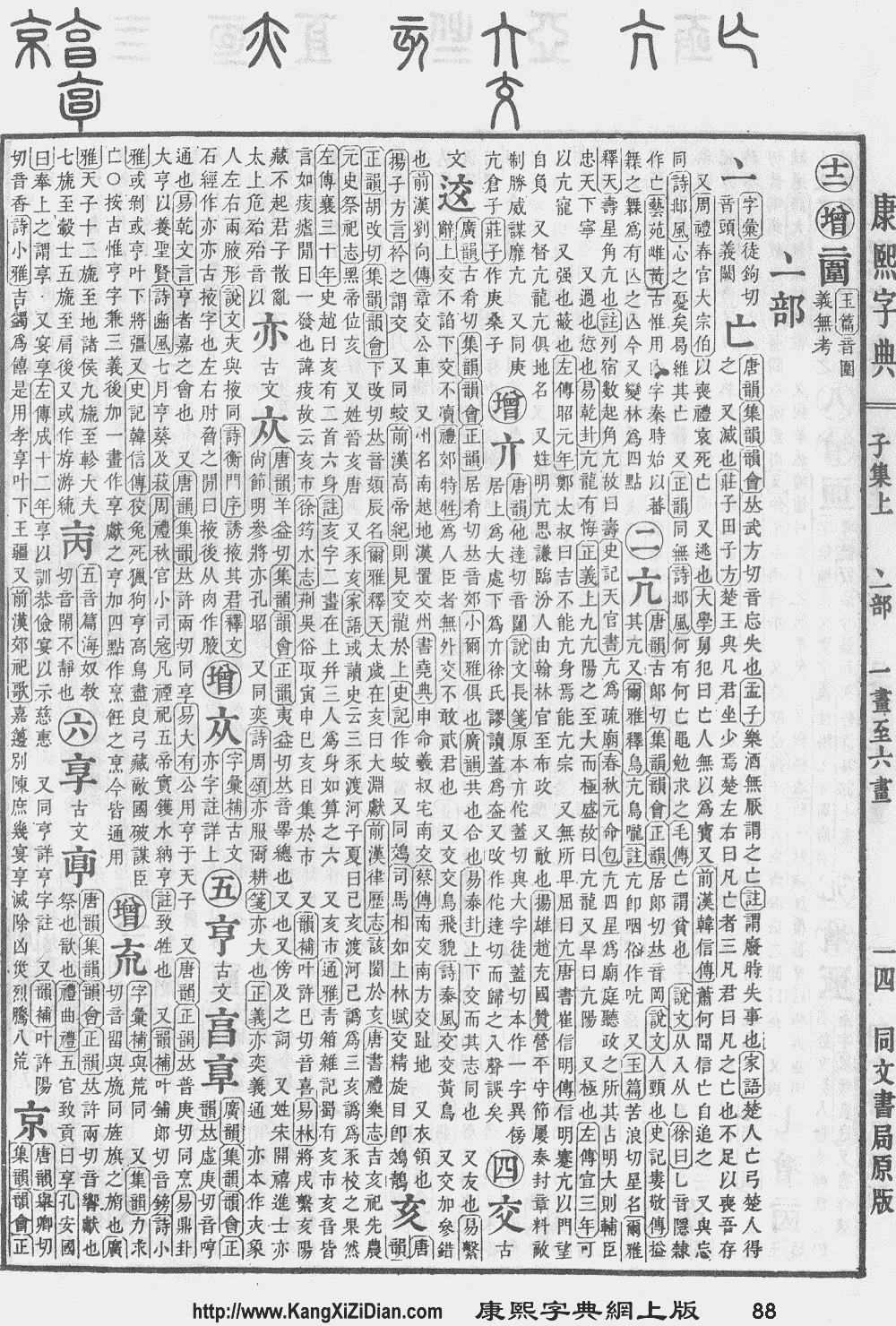
- Kangxi Dictionary: page 88, character 17
- Dai Kanwa Jiten: character 298
- Dae Jaweon: page 187, character 10
- Hanyu Da Zidian (first edition): volume 1, page 284, character 8
- Unihan data for U+4EAB
Chinese
| simp. and trad. |
享 | |
|---|---|---|
| alternative forms | 亯 | |
Glyph origin
| Historical forms of the character 享 | |||||||||||||||||||||||||||||||||||||||||||||||||||||||||||||||||||||||||||||||||||||||||||||||||||||||||||||||||||||||||||||||
|---|---|---|---|---|---|---|---|---|---|---|---|---|---|---|---|---|---|---|---|---|---|---|---|---|---|---|---|---|---|---|---|---|---|---|---|---|---|---|---|---|---|---|---|---|---|---|---|---|---|---|---|---|---|---|---|---|---|---|---|---|---|---|---|---|---|---|---|---|---|---|---|---|---|---|---|---|---|---|---|---|---|---|---|---|---|---|---|---|---|---|---|---|---|---|---|---|---|---|---|---|---|---|---|---|---|---|---|---|---|---|---|---|---|---|---|---|---|---|---|---|---|---|---|---|---|---|---|
| Shang | Western Zhou | Shuowen Jiezi (compiled in Han) | Liushutong (compiled in Ming) | ||||||||||||||||||||||||||||||||||||||||||||||||||||||||||||||||||||||||||||||||||||||||||||||||||||||||||||||||||||||||||||
| Oracle bone script | Bronze inscriptions | Small seal script | Transcribed ancient scripts | ||||||||||||||||||||||||||||||||||||||||||||||||||||||||||||||||||||||||||||||||||||||||||||||||||||||||||||||||||||||||||||
 |
 |
 |
 | ||||||||||||||||||||||||||||||||||||||||||||||||||||||||||||||||||||||||||||||||||||||||||||||||||||||||||||||||||||||||||||
|||
|
References: Mostly from Richard Sears' Chinese Etymology site (authorisation),
| |||||||||||||||||||||||||||||||||||||||||||||||||||||||||||||||||||||||||||||||||||||||||||||||||||||||||||||||||||||||||||||||


See 亯.
Pronunciation
Definitions
享
- to enjoy
- (obsolete) to offer (to a superior); to present; to pay (a tribute)
- 昔有成湯、自彼氐羌、莫敢不來享、莫敢不來王、曰商是常。 [Pre-Classical Chinese, trad.]
- From: The Classic of Poetry, c. 11th – 7th centuries BCE, translated based on James Legge's version
- Xī yǒu chéng Tāng, zì bǐ Dǐ Qiāng, mò gǎn bùlái xiǎng, mò gǎn bùlái wáng, yuē Shāng shì cháng. [Pinyin]
- Formerly, in the time of Tang the Successful, even from the Qiang and Di, they dared not but come with their offerings; [their chiefs] dared not but come to seek the king's acknowledgment: such is the regular rule of Shang.'
昔有成汤、自彼氐羌、莫敢不来享、莫敢不来王、曰商是常。 [Pre-Classical Chinese, simp.]
Compounds
- 享受 (xiǎngshòu)
- 享國/享国 (xiǎngguó)
- 享堂 (xiǎngtáng)
- 享壽/享寿 (xiǎngshòu)
- 享宴
- 享年 (xiǎngnián)
- 享御
- 享有 (xiǎngyǒu)
- 享樂/享乐 (xiǎnglè)
- 享樂主義/享乐主义 (xiǎnglè zhǔyì)
- 享殿
- 享用 (xiǎngyòng)
- 享福 (xiǎngfú)
- 享譽/享誉 (xiǎngyù)
- 來享/来享
- 共享 (gòngxiǎng)
- 共享軟體/共享软体 (gòngxiǎng ruǎntǐ)
- 分享 (fēnxiǎng)
- 坐享 (zuòxiǎng)
- 坐享其成 (zuòxiǎngqíchéng)
- 安享 (ānxiǎng)
- 安享天年
- 安享餘年/安享余年
- 廟享/庙享
- 有福同享
- 民享 (mínxiǎng)
- 獨享/独享 (dúxiǎng)
- 獨享權益/独享权益
- 祭享
- 賓享/宾享
- 配享
Descendants
Japanese
Korean
Etymology
From Middle Chinese 享 (MC *xjangX).
| Historical Readings | ||
|---|---|---|
| Dongguk Jeongun Reading | ||
| Dongguk Jeongun, 1448 | 햐ᇰ〯 (Yale: hyǎng) | |
| Middle Korean | ||
| Text | Eumhun | |
| Gloss (hun) | Reading | |
| Sinjeung Yuhap, 1576 | 졔ᄉᆞ (Yale: cyeyso) | 향 (Yale: hyang) |
Pronunciation
- (SK Standard/Seoul) IPA(key): [ça̠(ː)ŋ]
- Phonetic hangul: [향(ː)]
- Though still prescribed in Standard Korean, most speakers in both Koreas no longer distinguish vowel length.