成
| ||||||||
 | ||||||||
Translingual
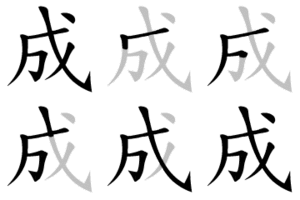
| Stroke order | |||
|---|---|---|---|
 | |||
Han character
成 (Kangxi radical 62, 戈+2, 6 strokes, cangjie input 戈竹尸 (IHS), four-corner 53200, composition ⿵戊𠃌 or ⿵戊丁(U+2F8B2))
Derived characters
References
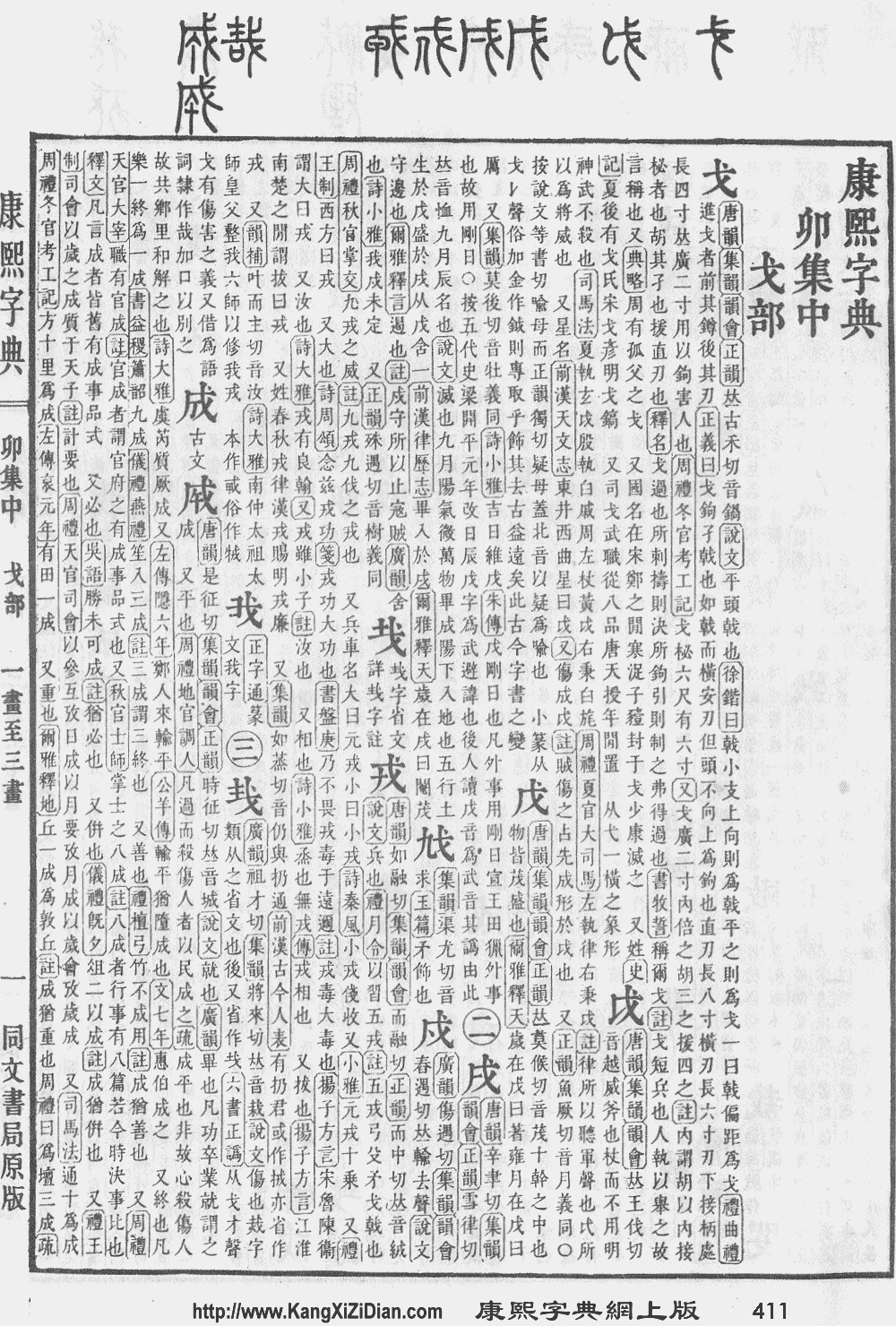
- Kangxi Dictionary: page 411, character 11
- Dai Kanwa Jiten: character 11542
- Dae Jaweon: page 752, character 17
- Hanyu Da Zidian (first edition): volume 2, page 1399, character 1
- Unihan data for U+6210
- Unihan data for U+2F8B2
Chinese
| simp. and trad. |
成 | |
|---|---|---|
| alternative forms | 𢦩 | |
Glyph origin
| Historical forms of the character 成 | ||||
|---|---|---|---|---|
| Shang | Western Zhou | Warring States | Shuowen Jiezi (compiled in Han) | Liushutong (compiled in Ming) |
| Oracle bone script | Bronze inscriptions | Chu slip and silk script | Small seal script | Transcribed ancient scripts |
 |
 |
 |
 |
 |
Characters in the same phonetic series (成) (Zhengzhang, 2003)
Phono-semantic compound (形聲/形声, OC *djeŋ) : semantic 戊 + phonetic 丁 (OC *rteːŋ, *teːŋ).
Etymology
Cognate with 盛 (OC *djeŋ, “to hold with a receptacle”), 城 (OC *djeŋ, “city wall; city”), 盛 (OC *djeŋs, “abundant; flourishing”) (Schuessler, 2007).
According to Bodman (1980), cognate with Tibetan གྱང (gyang, “wall”), Tibetan འགེངས་པ ('gengs pa, “to fill”), Tibetan བཀང (bkang, “to fill to the brim”), Tibetan སྐོང་བ (skong ba, “to fulfill”).
Pronunciation
Definitions
成
- to succeed; to accomplish; to achieve; to finish; to complete
- (verb complement) indicates successful completion or accomplishment of an action
- 做成 ― zuòchéng ― to successfully complete
- (verb complement) indicates successful completion or accomplishment of an action
- to help to achieve
- 成全 ― chéngquán ― to help (somebody) succeed
- 子曰:「君子成人之美,不成人之惡。小人反是。」 [Classical Chinese, trad.]
- From: The Analects of Confucius, c. 475 – 221 BCE, translated based on James Legge's version
- Zǐ yuē: “Jūnzǐ chéng rén zhī měi, bù chéng rén zhī è. Xiǎorén fǎn shì.” [Pinyin]
- The Master said, "The superior man seeks to perfect the admirable qualities of men, and does not seek to perfect their bad qualities. The mean man does the opposite of this."
子曰:「君子成人之美,不成人之恶。小人反是。」 [Classical Chinese, simp.]
- to become; to turn into
- achievement; successful completion; positive result
- (in compounds) fully developed; fully grown
- fixed; ready-made
- to reach a certain level; to amount to
- to be all right
- capable
- one tenth; ten percent
- (literary) to make peace
- 十六年春,楚子自武城使公子成,以汝陰之田,求成于鄭。 [Classical Chinese, trad.]
- From: Commentary of Zuo, c. 4th century BCE
- Shíliù nián chūn, Chǔ zǐ zì Wǔchéng shǐ Gōngzǐ Chéng, yǐ Rǔyīn zhī tián, qiú chéng yú Zhèng. [Pinyin]
- In the spring of the sixteenth year [of the reign of Duke Cheng of Lu], the viscount of Chu sent Gongzi Cheng from Wucheng, to negotiate for peace with Zheng using the fields of Ruyin.
十六年春,楚子自武城使公子成,以汝阴之田,求成于郑。 [Classical Chinese, simp.]
- 73rd tetragram of the Taixuanjing; "completion" (𝍎)
- (Cantonese) entire
- (Cantonese, Hokkien) almost; nearly; up to
- (Cantonese) used as a verbal complement to indicate the completion of an action
- a surname
Synonyms
Dialectal synonyms of 整 (“whole; entire”) [map]
| Variety | Location | Words |
|---|---|---|
| Formal (Written Standard Chinese) | 整 | |
| Mandarin | Taiwan | 整 |
| Malaysia | 整 | |
| Singapore | 整 | |
| Cantonese | Guangzhou | 成, 冚 |
| Hong Kong | 成, 冚 | |
| Taishan | 成 | |
| Singapore (Guangfu) | 成, 冚 | |
| Hakka | Huizhou (Huicheng Bendihua) | 成 |
| Miaoli (N. Sixian) | 規 | |
| Pingtung (Neipu; S. Sixian) | 規 | |
| Hsinchu County (Zhudong; Hailu) | 規 | |
| Taichung (Dongshi; Dabu) | 規 | |
| Hsinchu County (Qionglin; Raoping) | 規 | |
| Yunlin (Lunbei; Zhao'an) | 規 | |
| Southern Min | Xiamen | 規 |
| Quanzhou | 規 | |
| Zhangzhou | 規 | |
| Tainan | 規 | |
| Penang (Hokkien) | 規 | |
| Singapore (Hokkien) | 規 | |
| Manila (Hokkien) | 規 | |
| Chaozhou | 夠, 咸 | |
| Jieyang | 夠, 咸 | |
| Singapore (Teochew) | 夠 | |
| Zhongshan Min | Shaxi (Longdu) | 成 |
Compounds
- 一成 (yīchéng)
- 七八成
- 不成 (bùchéng)
- 不成人
- 不成器 (bùchéngqì)
- 不成字
- 不成才
- 不成文 (bùchéngwén)
- 不成材 (bùchéngcái)
- 不成話/不成话 (bùchénghuà)
- 不成章
- 九成 (jiǔchéng)
- 九成九
- 九成宮/九成宫
- 了不成
- 作成 (zuòchéng)
- 保成
- 促成 (cùchéng)
- 偶成
- 八成 (bāchéng)
- 八成新
- 削成
- 功成 (gōngchéng)
- 加成 (jiāchéng)
- 勞成/劳成
- 匠成
- 十成
- 半成品 (bànchéngpǐn)
- 司成
- 合成 (héchéng)
- 合成乳
- 合成數/合成数 (héchéngshù)
- 合成皮
- 合成詞/合成词 (héchéngcí)
- 吃現成/吃现成
- 告成 (gàochéng)
- 周成王
- 問成/问成
- 圓成/圆成
- 垂成
- 大八成
- 大成 (dàchéng)
- 大成殿
- 天成
- 學成/学成 (xuéchéng)
- 守成 (shǒuchéng)
- 完成 (wánchéng)
- 容成
- 小成
- 年成
- 廣成子/广成子
- 形成 (xíngchéng)
- 形成層/形成层 (xíngchéngcéng)
- 心想事成 (xīnxiǎngshìchéng)
- 慶成/庆成
- 成丁
- 成丁禮/成丁礼
- 成也蕭何,敗也蕭何/成也萧何,败也萧何 (chéng yě Xiāo Hé, bài yě Xiāo Hé)
- 成事 (chéngshì)
- 成事不足,敗事有餘/成事不足,败事有余 (chéngshì bùzú, bàishì yǒuyú)
- 成交 (chéngjiāo)
- 成交量 (chéngjiāoliàng)
- 成人 (chéngrén)
- 成人之美 (chéngrénzhīměi)
- 成人教育
- 成人病
- 成仁 (chéngrén)
- 成仙
- 成份 (chéngfèn)
- 成佛 (chéngfó)
- 成例 (chénglì)
- 成俗
- 成倍
- 成個兒/成个儿 (chénggèr)
- 成兒/成儿
- 成全 (chéngquán)
- 成典
- 成分 (chéngfèn)
- 成則為王,敗則為賊/成则为王,败则为贼
- 成副兒/成副儿
- 成功 (chénggōng)
- 成功嶺/成功岭
- 成務/成务
- 成化 (Chénghuà)
- 成化窯/成化窑
- 成千上萬/成千上万 (chéngqiānshàngwàn)
- 成名 (chéngmíng)
- 成合
- 成名成家
- 成名術/成名术
- 成周
- 成命 (chéngmìng)
- 成品 (chéngpǐn)
- 成品糧/成品粮
- 成員/成员 (chéngyuán)
- 成問題/成问题
- 成器 (chéngqì)
- 成因 (chéngyīn)
- 成均
- 成型 (chéngxíng)
- 成堆
- 成夜 (chéngyè)
- 成天 (chéngtiān)
- 成套 (chéngtào)
- 成姻
- 成婚 (chénghūn)
- 成家 (chéngjiā)
- 成家立業/成家立业 (chéngjiā lìyè)
- 成宿 (chéngxiǔ)
- 成實師/成实师
- 成實論/成实论
- 成對/成对 (chéngduì)
- 成就 (chéngjiù)
- 成就感 (chéngjiùgǎn)
- 成局
- 成屋
- 成幫結夥/成帮结伙
- 成年 (chéngnián)
- 成年期
- 成年禮/成年礼 (chéngniánlǐ)
- 成年累月
- 成式
- 成形 (chéngxíng)
- 成德 (Chéngdé)
- 成心 (chéngxīn)
- 成性 (chéngxìng)
- 成想 (chéngxiǎng)
- 成房
- 成才 (chéngcái)
- 成批
- 成招
- 成擒
- 成效 (chéngxiào)
- 成敗/成败 (chéngbài)
- 成數/成数 (chéngshù)
- 成文 (chéngwén)
- 成文法 (chéngwénfǎ)
- 成方 (chéngfāng)
- 成方兒/成方儿
- 成日 (chéngrì)
- 成日家
- 成書/成书 (chéngshū)
- 成服
- 成本 (chéngběn)
- 成本會計/成本会计
- 成材 (chéngcái)
- 成材林
- 成林
- 成果 (chéngguǒ)
- 成案
- 成樣/成样
- 成歡/成欢
- 成正果
- 成殮/成殓
- 成氣候/成气候 (chéngqìhou)
- 成法 (chéngfǎ)
- 成活 (chénghuó)
- 成湯/成汤
- 成漢/成汉 (Chénghàn)
- 成災/成灾
- 成為/成为 (chéngwéi)
- 成熟 (chéngshú)
- 成熟期 (chéngshúqī)
- 成癖
- 成癮/成瘾 (chéngyǐn)
- 成百
- 成皋 (Chénggāo)
- 成眠 (chéngmián)
- 成福 (Chéngfú)
- 成禮/成礼
- 成窩兒/成窝儿
- 成窯/成窑
- 成立 (chénglì)
- 成童
- 成竹在胸
- 成算 (chéngsuàn)
- 成篇
- 成精
- 成約/成约 (chéngyuē)
- 成績/成绩 (chéngjì)
- 成總/成总
- 成總兒/成总儿
- 成績單/成绩单 (chéngjìdān)
- 成群 (chéngqún)
- 成者為王,敗者為寇/成者为王,败者为寇 (chéng zhě wéi wáng, bài zhě wéi kòu)
- 成色 (chéngsè)
- 成色劑/成色剂
- 成藥/成药 (chéngyào)
- 成蟲/成虫 (chéngchóng)
- 成行 (chéngxíng)
- 成衣 (chéngyī)
- 成衣廠/成衣厂
- 成衣鋪/成衣铺
- 成見/成见 (chéngjiàn)
- 成規/成规 (chéngguī)
- 成親/成亲 (chéngqīn)
- 成言
- 成訟/成讼 (chéngsòng)
- 成語/成语 (chéngyǔ)
- 成說/成说
- 成誦/成诵 (chéngsòng)
- 成議/成议
- 成蹊
- 成道
- 成都 (Chéngdū)
- 成長/成长 (chéngzhǎng)
- 成長率/成长率 (chéngzhǎnglǜ)
- 成長股/成长股
- 成阻
- 成除服
- 成陰/成阴
- 成雙/成双 (chéngshuāng)
- 成音
- 成章 (chéngzhāng)
- 成頭/成头
- 成風/成风 (chéngfēng)
- 成龍/成龙 (chénglóng)
- 成龍配套/成龙配套
- 提成 (tíchéng)
- 撿現成/捡现成
- 收成 (shōuchéng)
- 既成 (jìchéng)
- 晚成
- 有志者事竟成 (yǒu zhì zhě shì jìng chéng)
- 有成 (yǒuchéng)
- 期成
- 未成年 (wèichéngnián)
- 構成/构成 (gòuchéng)
- 次成河
- 武成王
- 水到渠成 (shuǐdàoqúchéng)
- 水成岩 (shuǐchéngyán)
- 求成
- 沒十成/没十成
- 海成層/海成层
- 混成
- 深成岩
- 渾成/浑成
- 湊成/凑成
- 湊現成/凑现成
- 漫成
- 漢成帝/汉成帝
- 火成岩 (huǒchéngyán)
- 無成/无成 (wúchéng)
- 牢成
- 玉成 (yùchéng)
- 現成/现成 (xiànchéng)
- 現成話/现成话
- 現成飯/现成饭
- 生成 (shēngchéng)
- 留成
- 當成/当成 (dàngchéng)
- 目成
- 相成 (xiāngchéng)
- 看成 (kànchéng)
- 相輔相成/相辅相成 (xiāngfǔxiāngchéng)
- 真成
- 磨成
- 福成 (Fúchéng)
- 禮成/礼成 (lǐchéng)
- 秋成
- 管成
- 終不成/终不成
- 組成/组成 (zǔchéng)
- 總成/总成 (zǒngchéng)
- 織成/织成
- 續成/续成 (xùchéng)
- 考成 (kǎochéng)
- 老成 (lǎochéng)
- 老成人
- 聯成/联成 (Liánchéng)
- 胚形成
- 自成一家 (zìchéngyījiā)
- 落成 (luòchéng)
- 蔚成
- 蘭成/兰成
- 行成 (xíngchéng)
- 裁成
- 製成/制成 (zhìchéng)
- 褒成侯
- 見成/见成
- 言之成理 (yánzhīchénglǐ)
- 變成/变成 (biànchéng)
- 豆腐盤成肉價錢/豆腐盘成肉价钱 (dòufu pán chéng ròu jiàqián)
- 負成長/负成长
- 責成/责成 (zéchéng)
- 質成/质成
- 贊成/赞成 (zànchéng)
- 速成 (sùchéng)
- 造成 (zàochéng)
- 速成班 (sùchéngbān)
- 達成/达成 (dáchéng)
- 道成溜
- 釀成/酿成 (niàngchéng)
- 長成/长成 (zhǎngchéng)
- 陶成
- 集大成 (jídàchéng)
- 難不成/难不成
- 養成/养成 (yǎngchéng)
- 鬢成絲/鬓成丝
References
- “成”, in 漢語多功能字庫 (Multi-function Chinese Character Database), 香港中文大學 (the Chinese University of Hong Kong), 2014–
Japanese
| Shinjitai | 成 |  |
| Kyūjitai [1][2] |
成 成or 成+ ︀? |
|
| 成󠄁 成+ 󠄁?(Adobe-Japan1) | ||
| 成󠄃 成+ 󠄃?(Hanyo-Denshi) (Moji_Joho) | ||
| The displayed kanji may be different from the image due to your environment. See here for details. | ||
Readings
- Go-on: じょう (jō, Jōyō †)←じやう (zyau, historical)
- Kan-on: せい (sei, Jōyō)
- Kun: なす (nasu, 成す, Jōyō); なる (naru, 成る, Jōyō); たいらぎ (tairagi, 成らぎ)
- Nanori: あき (aki); あきら (akira); おさむ (osamu); さだ (sada); さだむ (sadamu); しげ (shige); しげる (shigeru); そん (son); たえ (tae); なお (nao); なり (nari); なる (naru); のり (nori); はかる (hakaru); はる (haru); ひで (hide); ひら (hira); ふさ (fusa); まさ (masa); みち (michi); みのる (minoru); よし (yoshi); り (ri)
References
- “成”, in 漢字ぺディア (Kanjipedia) (in Japanese), 日本漢字能力検定協会, 2015–2024
- Haga, Gōtarō (1914) 漢和大辞書 [The Great Kanji-Japanese Dictionary] (in Japanese), Fourth edition, Tōkyō: Kōbunsha, , page 912 (paper), page 506 (digital)
Korean
Etymology
(This etymology is missing or incomplete. Please add to it, or discuss it at the Etymology scriptorium. Particularly: “Middle Korean readings, if any”)
Pronunciation
- (SK Standard/Seoul) IPA(key): [sʰʌ̹ŋ]
- Phonetic hangul: [성]
Vietnamese
Han character
成: Hán Nôm readings: thành, thình
- This term needs a translation to English. Please help out and add a translation, then remove the text
{{rfdef}}.
References
This article is issued from Wiktionary. The text is licensed under Creative Commons - Attribution - Sharealike. Additional terms may apply for the media files.