三
| ||||||||
| ||||||||
| ||||||||
Translingual
| Stroke order | |||
|---|---|---|---|
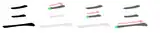 | |||
| Stroke order | |||
|---|---|---|---|
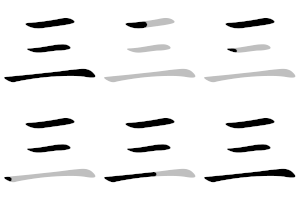 | |||
Han character
三 (Kangxi radical 1, 一+2, 3 strokes, cangjie input 一一一 (MMM), four-corner 10101, composition ⿱一二 or ⿱𠄟一)
- Shuowen Jiezi radical №4
Descendants
- ミ (Katakana character derived from man'yōgana)
References
- Kangxi Dictionary: page 76, character 5
- Dai Kanwa Jiten: character 12
- Dae Jaweon: page 138, character 1
- Hanyu Da Zidian (first edition): volume 1, page 4, character 3
- Unihan data for U+4E09

Chinese
| simp. and trad. |
三 | |
|---|---|---|
| alternative forms | 叄/叁/參/参 financial 𠫰/𠬅/𠬄 less used 弎 𢦘 | |
Glyph origin
| Historical forms of the character 三 | ||||||||||||||||||||||||||||||||||||||||||||
|---|---|---|---|---|---|---|---|---|---|---|---|---|---|---|---|---|---|---|---|---|---|---|---|---|---|---|---|---|---|---|---|---|---|---|---|---|---|---|---|---|---|---|---|---|
| Shang | Western Zhou | Warring States | Shuowen Jiezi (compiled in Han) | Liushutong (compiled in Ming) | ||||||||||||||||||||||||||||||||||||||||
| Oracle bone script | Bronze inscriptions | Bronze inscriptions | Chu slip and silk script | Qin slip script | Ancient script | Small seal script | Transcribed ancient scripts | |||||||||||||||||||||||||||||||||||||
 |
 |
 |
 |
 |
 |
 |
 | |||||||||||||||||||||||||||||||||||||
|||||||
|
References: Mostly from Richard Sears' Chinese Etymology site (authorisation),
| ||||||||||||||||||||||||||||||||||||||||||||


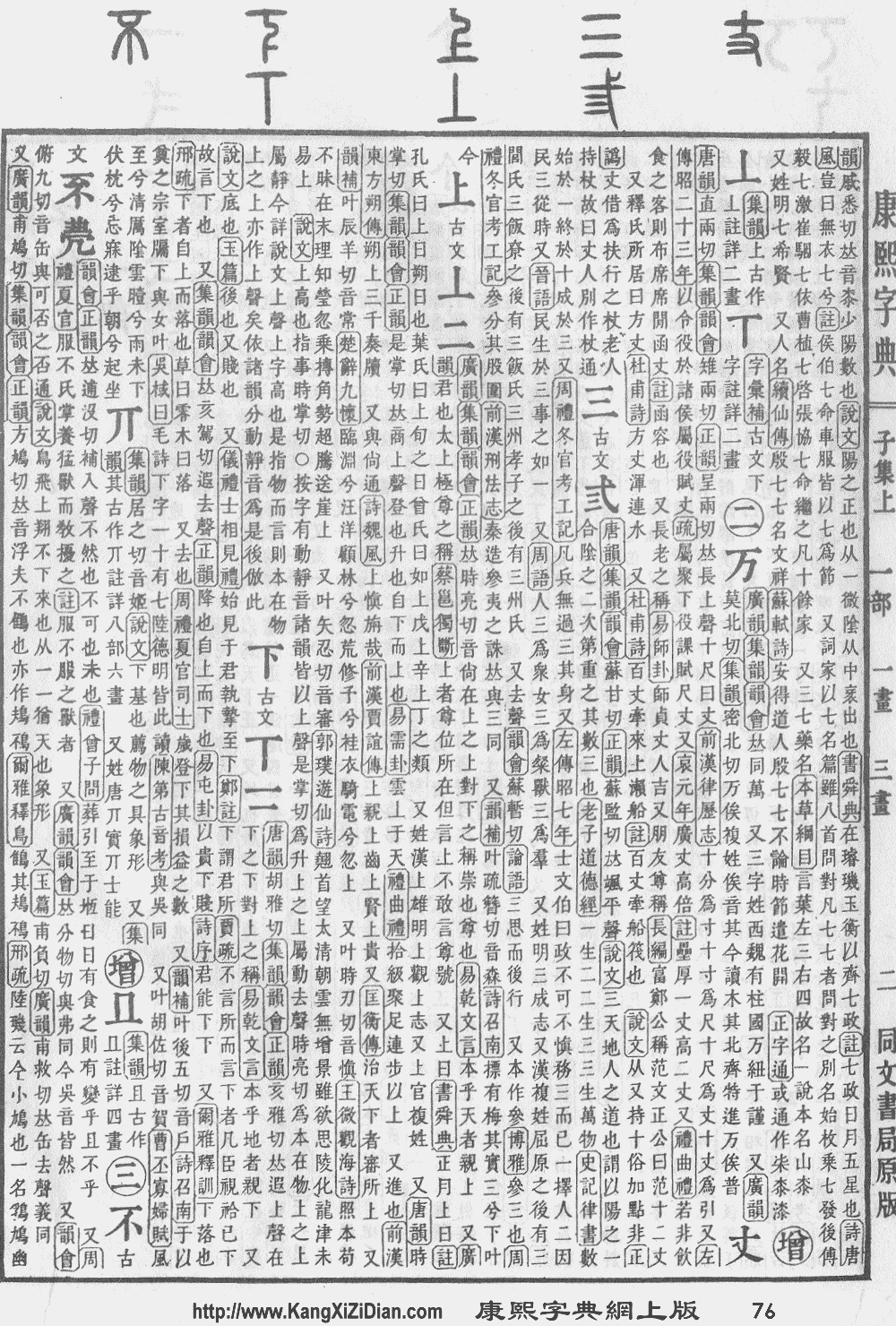
Ideogram (指事) - three parallel strokes. Compare with 一, one stroke meaning “one”, 二, two strokes meaning “two”, and 亖, four strokes meaning “four”. Triplication of 一 (“one”).
Etymology
From Proto-Sino-Tibetan *g-sum.
Pronunciation 1
Definitions
三
- three
- (Mainland China, slang, neologism) the other woman; the other man
- (Mainland China, slang, neologism) This term needs a translation to English. Please help out and add a translation, then remove the text
{{rfdef}}. - a surname
See also
| Chinese numbers | |||||||||||||||||
|---|---|---|---|---|---|---|---|---|---|---|---|---|---|---|---|---|---|
| 0 | 1 | 2 | 3 | 4 | 5 | 6 | 7 | 8 | 9 | 10 | 102 | 103 | 104 | 106 | 108 | 1012 | |
| Normal (小寫/小写) |
〇, 零, 空 | 一, 蜀 | 二, 兩/两 | 三 | 四 | 五 | 六 | 七 | 八 | 九 | 十 | 百 | 千 | 萬/万, 十千 (Malaysia, Singapore) |
百萬/百万, 桶(Philippines), 面桶 (Philippines) |
億/亿 | 兆 (Taiwan) 萬億/万亿 (Mainland China) |
| Financial (大寫/大写) |
零 | 壹 | 貳/贰 | 參/叁 | 肆 | 伍 | 陸/陆 | 柒 | 捌 | 玖 | 拾 | 佰 | 仟 | ||||
| Playing cards in Mandarin · 撲克牌/扑克牌 (pūkèpái) (layout · text) | ||||||
|---|---|---|---|---|---|---|
 |
 |
 |
 |
 |
 |
 |
| 尖兒/尖儿 (jiānr) | 二 (èr) | 三 (sān) | 四 (sì) | 五 (wǔ) | 六 (liù) | 七 (qī) |
 |
 |
 |
 |
 |
 |
 |
| 八 (bā) | 九 (jiǔ) | 十 (shí) | 鉤兒/钩儿 (gōur) | 圈兒/圈儿 (quānr), 皮蛋 (pídàn, regional) | K | 小王 (xiǎowáng, black), 大王 (red), 小鬼 (xiǎoguǐ, black), 大鬼 (dàguǐ, red) |
Compounds
- 一三
- 一二三自由日 (Yī-Èrsān Zìyóu Rì)
- 三一律 (sānyīlǜ)
- 三七 (sānqī)
- 三七仔 (sānqīzǐ)
- 三七兒/三七儿
- 三上
- 三三兩兩/三三两两 (sānsānliǎngliǎng)
- 下三濫/下三滥 (xiàsānlàn)
- 下三爛/下三烂 (xiàsānlàn)
- 下三等
- 下三面
- 三不五時/三不五时 (sānbùwǔshí)
- 三不去
- 三不易
- 三不朽
- 三不歸/三不归
- 三不留
- 三不知
- 三不管 (sānbùguǎn)
- 三世 (sānshì)
- 三世佛
- 三乘
- 三乘比
- 三九天
- 三事
- 三二
- 三五
- 三人行 (sānrénxíng)
- 三代 (sāndài)
- 三伏 (sānfú)
- 三伏天 (sānfútiān)
- 三伏潭 (Sānfútán)
- 三位一體/三位一体 (sānwèiyītǐ)
- 三俎
- 三倉/三仓
- 三停 (sāntíng)
- 三停刀
- 三傳/三传
- 三僑/三侨
- 三儀/三仪
- 三元 (sānyuán)
- 三光 (sānguāng)
- 三兩/三两 (sānliǎng)
- 三兩步/三两步
- 三八 (sānbā)
- 三八制
- 三八節/三八节
- 三公 (sāngōng)
- 三六 (sānliù)
- 三六九等 (sānliùjiǔděng)
- 三典
- 三冠王
- 三冬 (sāndōng)
- 三刀夢/三刀梦
- 三分 (sānfēn)
- 三到
- 三副 (sānfù)
- 三劍客/三剑客
- 三北 (Sānběi)
- 三危山 (Sānwēishān)
- 三卿
- 三原色 (sānyuánsè)
- 三厭/三厌
- 三叉口
- 三叉路
- 三友 (sānyǒu)
- 三反 (sānfǎn)
- 三司 (sānsī)
- 三史
- 三司使
- 三合 (Sānhé)
- 三合土 (sānhétǔ)
- 三合垸 (Sānhéyuàn)
- 三合房
- 三合會/三合会 (sānhéhuì)
- 三合院 (sānhéyuàn)
- 三命
- 三和弦 (sānhéxián)
- 三品
- 三善道
- 三國/三国 (Sānguó)
- 三國志/三国志 (Sānguó Zhì)
- 三圍/三围 (sānwéi)
- 三土門/三土门 (Sāntǔmén)
- 三地門/三地门 (Sāndìmén)
- 三垣
- 三堆河 (Sānduīhé)
- 三場/三场
- 三塗/三涂
- 三境
- 三墩 (Sāndūn)
- 三墳/三坟
- 三夏
- 三多
- 三大件 (sāndàjiàn)
- 三大洋
- 三大球 (sāndàqiú)
- 三大節/三大节
- 三天兩頭/三天两头 (sāntiānliǎngtóu)
- 三夾板/三夹板
- 三婆
- 三字獄/三字狱
- 三字經/三字经 (sānzìjīng)
- 三季
- 三孤
- 三學/三学
- 三官 (Sānguān)
- 三官廟/三官庙 (Sānguānmiào)
- 三官殿 (Sānguāndiàn)
- 三家
- 三害
- 三宮/三宫
- 三家垸 (Sānjiāyuàn)
- 三家村
- 三家詩/三家诗
- 三密
- 三寶/三宝 (sānbǎo)
- 三寸丁
- 三寸舌
- 三寸貨/三寸货
- 三小 (sānxiǎo)
- 三小子
- 三尖瓣 (sānjiānbàn)
- 三尸
- 三尸神
- 三尺
- 三尺劍/三尺剑
- 三尺喙
- 三尺法
- 三山 (Sānshān)
- 三岔 (Sānchà)
- 三岔路
- 三峽/三峡
- 三川
- 三巨頭/三巨头 (sānjùtóu)
- 三巴 (sānbā)
- 三希堂
- 三幡
- 三年艾
- 三店 (Sāndiàn)
- 三弦 (sānxián)
- 三弦書/三弦书
- 三彭
- 三徑/三径 (sānjìng)
- 三從/三从 (sāncóng)
- 三德
- 三恪
- 三惡道/三恶道
- 三態/三态
- 三戒
- 三才 (sāncái)
- 三折肱
- 三拼音
- 三振 (sānzhèn)
- 三推
- 三揖
- 三摩地 (sānmódì)
- 三擊掌/三击掌
- 三教 (sānjiào)
- 三族 (sānzú)
- 三明 (sānmíng)
- 三明治 (sānmíngzhì)
- 三星 (sānxīng)
- 三春 (sānchūn)
- 三昧 (sānmèi)
- 三春暉/三春晖 (sānchūnhuī)
- 三春柳
- 三晉/三晋 (Sānjìn)
- 三時/三时
- 三時教/三时教
- 三晡
- 三智
- 三曲
- 三更
- 三月黃/三月黄
- 三朝
- 三朝書/三朝书
- 三木 (sānmù)
- 三板 (sānbǎn)
- 三杯雞/三杯鸡 (sānbēijī)
- 三桓
- 三業/三业
- 三極/三极
- 三楚
- 三槐
- 三槐堂
- 三樂/三乐
- 三機/三机
- 三次方
- 三歎/三叹
- 三正
- 三歸/三归
- 三歸依/三归依
- 三段論/三段论 (sānduànlùn)
- 三毒 (sāndú)
- 三民 (Sānmín)
- 三江 (Sānjiāng)
- 三沙 (Sānshā)
- 三泉
- 三河 (Sānhé)
- 三法印
- 三河口 (Sānhékǒu)
- 三法司
- 三洲 (Sānzhōu)
- 三流 (sānliú)
- 三海 (Sānhǎi)
- 三消
- 三清 (sānqīng)
- 三淨肉/三净肉
- 三清觀/三清观 (Sānqīngguàn)
- 三溪 (Sānxī)
- 三溝/三沟 (Sāngōu)
- 三準/三准
- 三溫暖/三温暖 (sānwēnnuǎn)
- 三潭 (Sāntán)
- 三灣/三湾 (Sānwān)
- 三焦 (sānjiāo)
- 三無性/三无性
- 三牲 (sānshēng)
- 三獻/三献
- 三玄
- 三王
- 三珠樹/三珠树
- 三瓣嘴
- 三生
- 三生石
- 三甲 (sānjiǎ)
- 三界 (sānjiè)
- 三界公
- 三略 (Sānlüè)
- 三疊紀/三叠纪 (Sāndié Jì)
- 三病
- 三白草
- 三百篇 (Sānbǎipiān)
- 三皈 (sānguī)
- 三皇 (Sānhuáng)
- 三益
- 三監/三监
- 三盤/三盘
- 三相 (sānxiàng)
- 三省
- 三眠
- 三眼井 (Sānyǎnjǐng)
- 三神 (sānshén)
- 三神山
- 三福田
- 三禮/三礼 (Sānlǐ)
- 三秀 (sānxiù)
- 三秋
- 三秦 (Sānqín)
- 三稜鏡/三棱镜 (sānléngjìng)
- 三稜體/三棱体
- 三穗 (Sānsuì)
- 三窟
- 三端
- 三竿
- 三笑
- 三等 (sānděng)
- 三節/三节 (sānjié)
- 三節棍/三节棍
- 三簷傘/三檐伞
- 三精
- 三級片/三级片
- 三級跳/三级跳 (sānjítiào)
- 三絕/三绝 (sānjué)
- 三統/三统
- 三統曆/三统历
- 三綱/三纲 (sāngāng)
- 三線蝶/三线蝶
- 三缺一 (sānquēyī)
- 三義廟/三义庙
- 三老
- 三考
- 三聖/三圣 (Sānshèng)
- 三聲/三声 (sānshēng)
- 三聯單/三联单
- 三胡 (Sānhú)
- 三腳架/三脚架 (sānjiǎojià)
- 三腳櫈/三脚櫈
- 三腳貓/三脚猫 (sānjiǎomāo)
- 三自 (sānzì)
- 三自性
- 三臺/三台
- 三舍
- 三色版
- 三色菫 (sānsèjǐn)
- 三芝 (Sānzhī)
- 三花臉/三花脸
- 三茅
- 三英 (sānyīng)
- 三苗 (Sānmiáo)
- 三荊/三荆
- 三落
- 三葉松/三叶松
- 三葉蟲/三叶虫 (sānyèchóng)
- 三藏 (sānzàng)
- 三藩 (Sānfān)
- 三藩市 (Sānfānshì)
- 三蘇/三苏
- 三行
- 三衙
- 三衙家
- 三表
- 三西
- 三親/三亲
- 三親等/三亲等
- 三觀/三观 (sānguān)
- 三角 (sānjiǎo)
- 三角學/三角学 (sānjiǎoxué)
- 三角尺 (sānjiǎochǐ)
- 三角巾 (sānjiǎojīn)
- 三角形 (sānjiǎoxíng)
- 三角板 (sānjiǎobǎn)
- 三角柱 (sānjiǎozhù)
- 三角楓/三角枫 (sānjiǎofēng)
- 三角江
- 三角法 (sānjiǎofǎ)
- 三角洲 (sānjiǎozhōu)
- 三角眼 (sānjiǎoyǎn)
- 三角肌 (sānjiǎojī)
- 三角表
- 三角褲/三角裤 (sānjiǎokù)
- 三角錐/三角锥 (sānjiǎozhuī)
- 三角鐵/三角铁 (sānjiǎotiě)
- 三角點/三角点 (sānjiǎodiǎn)
- 三觭龍/三觭龙
- 三語掾/三语掾
- 三論宗/三论宗
- 三諦/三谛
- 三讀/三读 (sāndú)
- 三讀會/三读会
- 三變/三变
- 三讓/三让
- 三資/三资
- 三赦
- 三足烏/三足乌 (sānzúwū)
- 三身 (sānshēn)
- 三軍/三军 (sānjūn)
- 三輔/三辅 (sānfǔ)
- 三輪車/三轮车 (sānlúnchē)
- 三轉身/三转身
- 三辟
- 三辰
- 三農/三农 (sānnóng)
- 三巡
- 三通 (sāntōng)
- 三連音/三连音 (sānliányīn)
- 三達德/三达德
- 三道頭/三道头
- 三遷/三迁 (sānqiān)
- 三部曲 (sānbùqǔ)
- 三都賦/三都赋
- 三酉
- 三酒
- 三里 (Sānlǐ)
- 三里崗
- 三重 (sānchóng)
- 三重埔 (Sānchóngpǔ)
- 三重門/三重门
- 三釜
- 三銖錢/三铢钱
- 三錄儀/三录仪 (sānlùyí)
- 三鑑/三鉴
- 三門/三门 (sānmén)
- 三門峽/三门峡 (Sānménxiá)
- 三關/三关
- 三防
- 三陰/三阴
- 三陽/三阳 (Sānyáng)
- 三階/三阶
- 三階教/三阶教
- 三際/三际 (Sānjì)
- 三障
- 三隻手/三只手 (sānzhīshǒu)
- 三電/三电 (Sāndiàn)
- 三靈/三灵
- 三青子
- 三面紅旗/三面红旗 (Sānmiànhóngqí)
- 三面網/三面网
- 三面角
- 三鞠躬
- 三韓/三韩 (Sānhán)
- 三餘/三余
- 三餐 (sāncān)
- 三館/三馆
- 三驅/三驱
- 三鬥坪/三斗坪
- 三鮮/三鲜 (sānxiān)
- 三點水/三点水 (sāndiǎnshuǐ)
- 三點裝/三点装 (sāndiǎnzhuāng)
- 三黨/三党
- 三鼎甲
- 三鼓
- 丑三
- 不三思
- 二三子 (èrsānzǐ)
- 五四三 (wǔsìsān)
- 做三日
- 內三關/内三关 (Nèisānguān)
- 兩三下/两三下
- 兩三天/两三天
- 兩破三/两破三
- 再三 (zàisān)
- 十三 (shísān)
- 十三經/十三经 (Shísānjīng)
- 十三行 (Shísānháng)
- 十三轍/十三辙
- 十三陵 (Shísānlíng)
- 十三點/十三点 (shísāndiǎn)
- 唐三彩 (tángsāncǎi)
- 唐三絕/唐三绝
- 唐三藏 (Tángsānzàng)
- 外三關/外三关 (Wàisānguān)
- 大三元 (dàsānyuán)
- 大三弦
- 大三通
- 大腳三/大脚三
- 夷三族
- 宋三彩
- 小三通
- 年三十 (niánsānshí)
- 張三丰
- 張三影/张三影
- 復三/复三
- 快活三
- 急三槍/急三枪
- 打十三
- 接三
- 攑頭三尺有神明/𫽥头三尺有神明 (gia̍h thâu saⁿ chhioh ū sîn-bîng) (Min Nan)
- 春秋三傳/春秋三传 (Chūnqiū Sānzhuàn)
- 朝三暮四 (zhāosānmùsì)
- 李三娘
- 東三省/东三省 (Dōngsānshěng)
- 沙三
- 沒三思/没三思
- 沒店三/没店三
- 沒掂三/没掂三
- 洗三
- 焦三仙
- 癟三/瘪三
- 直落三
- 第三地
- 第三者 (dìsānzhě)
- 老三色
- 胡三
- 說三分/说三分
- 遼三彩/辽三彩
- 重三
- 野三關/野三关 (Yěsānguān)
- 金三角 (Jīnsānjiǎo)
- 鐵三角/铁三角
- 長三/长三
- 阿三 (āsān)
- 阿三哥
- 雞屎落塗,也有三寸煙/鸡屎落涂,也有三寸烟 (ke sái lo̍h thô͘, iā ū saⁿ chhùn ian) (Min Nan)
Descendants
Others:
Pronunciation 2
References
- “Entry #170”, in 臺灣閩南語常用詞辭典 [Dictionary of Frequently-Used Taiwan Minnan] (overall work in Mandarin and Hokkien), Ministry of Education, R.O.C., 2023.
Japanese
Readings
- Go-on: さん (san, Jōyō)←さん (san, historical)←さむ (samu, ancient)
- Kan-on: さん (san, Jōyō)←さん (san, historical)←さむ (samu, ancient)
- Kun: み (mi, 三, Jōyō); みつ (mitsu, 三つ, Jōyō); みっつ (mi'tsu, 三つ, Jōyō); しゃみせん (shamisen, 三みせん)
- Nanori: か (ka); かず (kazu); さ (sa); さい (sai); さえ (sae); さぶ (sabu); さむ (samu); ざ (za); ざえ (zae); ざぶ (zabu); そ (so); そう (sō); ぞ (zo); ぞう (zō); ただ (tada); みつ (mitsu); みん (min); も (mo); や (ya)
Compounds
- 再三 (saisan, “again and again; repeatedly”)
- 三育 (san'iku)
- 三猿 (san'en, “see no evil, hear no evil, speak no evil”, literally “three monkeys”)
- 三回忌 (sankaiki)
- 三角 (sankaku, “triangle”)
- 三冠王 (sankan'ō)
- 三冠馬 (sankanba)
- 三韓 (sankan)
- 三界 (sangai)
- 三月 (sangatsu, “(month) March”)
- 三脚 (sankyaku)
- 三級 (sankyū)
- 三曲 (sankyoku)
- 三業 (sangyō)
- 三軍 (sangun)
- 三景 (sankei)
- 三桁 (sanketa)
- 三権 (sanken)
- 三原色 (sangenshoku)
- 三顧 (sanko)
- 三更 (sankō)
- 三校 (sankō)
- 三号雑誌 (sangō zasshi, “a short-lived magazine”, literally “3 issues”)
- 三国 (sangoku)
- 三才 (sansai)
- 三々九度 (sansankudo)
- 三々五々 (sansangogo)
- 三思 (sanshi, “deep reflection”)
- 三下 (sanshita)
- 三者 (sansha)
- 三種 (sanshu)
- 三唱 (sanshō)
- 三省 (sanshō)
- 三賞 (sanshō)
- 三色 (sanshoku)
- 三食 (sanshoku, “three meals (a day)”)
- 三振 (sanshin, “three strikes”)
- 三時 (sanji, “3 o'clock”)
- 三次 (sanji)
- 三尺 (sanjaku)
- 三重 (sanjū)
- 三女 (sanjo, “three daughters; third daughter”)
- 三乗 (sanjō, “to the third power; cubed”)
- 三畳紀 (Sanjō-ki, “the Triassic period”)
- 三寸 (sanzun, “something small”)
- 三選 (sansen, “third-term election”)
- 三世 (sansei, “third generation”)
- 三相 (sansō)
- 三蔵 (sanzō)
- 三尊 (sanzon)
- 三体 (santai)
- 三嘆 (santan)
- 三代 (sandai)
- 三大都市 (sandai toshi, “three major cities (usu. Tokyo, Osaka and Nagoya)”)
- 三等 (santō, “third-class”)
- 三頭筋 (santō kin, “triceps”)
- 三頭政治 (santō seiji, “triumvirate”)
- 三男 (sannan, “three sons; third son”)
- 三人 (sannin, “three people”)
- 三羽烏 (sanbagarasu)
- 三番 (sanban)
- 三拝 (sanpai)
- 三筆 (sanpitsu)
- 三部 (sanbu, “three parts”)
- 三府 (sanpu)
- 三方 (sanbō, “three sides”)
- 三菩提 (sanbodai, “saṃbodhi”)
- 三宝 (sanpō)
- 三昧 (sanmai, “samadhi”)
- 三枚 (sanmai)
- 三位 (sanmi)
- 三民主義 (Sanmin Shugi)
- 三無主義 (sanmu shugi)
- 三面 (sanmen)
- 三門 (sanmon)
- 三役 (san'yaku)
- 三流 (sanryū, “third-rate; third-class”)
- 三稜鏡 (sanryōkyō)
- 三輪 (sanrin, “three wheels; three-wheeled”)
- 三塁 (sanrui, “third base”)
- 三連 (sanren)
- 三和音 (sanwaon)
- 三割自治 (sanwari jichi)
- 三味線 (shamisen)
- 三日月 (mikazuki, “new moon; crescent moon”)
- 三上 (Mikami)
- 三行半 (mikudarihan)
- 三日 (mikka, “the third day of the month; three days”)
- 三葉虫 (san'yōchū, “trilobite”)
- 三鞭酒 (shanpan, “champagne”)
Alternative forms
- (Financial/formal form): 参
Etymology 1
| < 2 | 3 | 4 > |
|---|---|---|
| Cardinal : 三 | ||
| Kanji in this term |
|---|
| 三 |
| さん Grade: 1 |
| on’yomi |
*/sam/ → /samu/ → /saɴ/
From Middle Chinese 三 (MC sam|samH). Compare modern Mandarin 三 (sān).
In Old Japanese, this kanji was used phonetically to transcribe さむ (samu).
Derived terms
Etymology 2
| Kanji in this term |
|---|
| 三 |
| さん Grade: 1 |
| on’yomi |
Borrowing from Chinese 三 (sān), with the pitch accent different from etymology 1. (Can this(+) etymology be sourced?)
Derived terms
Etymology 3
| Kanji in this term |
|---|
| 三 |
| み Grade: 1 |
| kun’yomi |
⟨mi1⟩ → /mi/
From Old Japanese, from Proto-Japonic *mi.
Likely an apophonic form of 六 (mu, “six”), compare 四 (yo, “four”) with 八 (ya, “eight”). (Can this(+) etymology be sourced?)
Derived terms
Numeral
三 • (mī)
Coordinate terms
| Japanese numbers | |||||||||||
|---|---|---|---|---|---|---|---|---|---|---|---|
| 0 | 1 | 2 | 3 | 4 | 5 | 6 | 7 | 8 | 9 | 10 | |
| Regular | 零 (rei) 零 (zero) |
一 (ichi) | 二 (ni) | 三 (san) | 四 (yon) 四 (shi) |
五 (go) | 六 (roku) | 七 (nana) 七 (shichi) |
八 (hachi) | 九 (kyū) 九 (ku) |
十 (jū) |
| Formal | 壱 (ichi) | 弐 (ni) | 参 (san) | 拾 (jū) | |||||||
| 90 | 100 | 300 | 600 | 800 | 1,000 | 3,000 | 8,000 | 10,000 | 100,000,000 | ||
| Regular | 九十 (kyūjū) | 百 (hyaku) 一百 (ippyaku) |
三百 (sanbyaku) | 六百 (roppyaku) | 八百 (happyaku) | 千 (sen) 一千 (issen) |
三千 (sanzen) | 八千 (hassen) | 一万 (ichiman) | 一億 (ichioku) | |
| Formal | 一萬 (ichiman) | ||||||||||
| 1012 | 8×10¹² | 1013 | 1016 | 6×10¹⁶ | 8×10¹⁶ | 1017 | 1018 | ||||
| 一兆 (itchō) | 八兆 (hatchō) | 十兆 (jutchō) | 一京 (ikkei) | 六京 (rokkei) | 八京 (hakkei) | 十京 (jukkei) | 百京 (hyakkei) | ||||
References
- Matsumura, Akira, editor (2006), 大辞林 [Daijirin] (in Japanese), Third edition, Tōkyō: Sanseidō, →ISBN
Korean
Etymology
| 30 | ||
| ← 2 | 3 | 4 → |
|---|---|---|
| Native isol.: 셋 (set) Native attr.: 세 (se), (dated) 석 (seok), (archaic) 서 (seo) Sino-Korean: 삼 (sam) Hanja: 三 Ordinal: 셋째 (setjjae) | ||
From Middle Chinese 三 (MC sam).
| Historical Readings | ||
|---|---|---|
| Dongguk Jeongun Reading | ||
| Dongguk Jeongun, 1448 | 삼 (Yale: sàm) | |
| Middle Korean | ||
| Text | Eumhun | |
| Gloss (hun) | Reading | |
| Hunmong Jahoe, 1527 | 석〯 (Yale: sěk) | 삼 (Yale: sàm) |
Pronunciation
- (SK Standard/Seoul) IPA(key): [sʰa̠m]
- Phonetic hangul: [삼]
Compounds
Vietnamese
Han character
三: Hán Việt readings: tam (
三: Nôm readings: tam[1][2][3][4][5][6], ba[1], tám[5]
Compounds
- 三不朽 (tam bất hủ)
- 三世 (tam thế)
- 三乘 (tam thừa)
- 三代 (tam đại)
- 三個月 (tam cá nguyệt)
- 三倍 (tam bội)
- 三傑 (tam kiệt)
- 三元 (tam nguyên)
- 三公 (tam công)
- 三合 (tam hợp)
- 三君 (tam quân)
- 三國 (Tam Quốc)
- 三多 (tam đa)
- 三字經 (tam tự kinh)
- 三島 (Tam Đảo)
- 三彭 (tam bành)
- 三從 (tam tòng)
- 三才 (tam tài)
- 三抄失本 (tam sao thất bản)
- 三教 (tam giáo)
- 三族 (tam tộc)
- 三板 (tam bản)
- 三權分立 (tam quyền phân lập)
- 三段論 (tam đoạn luận)
- 三法 (tam pháp)
- 三焦 (tam tiêu)
- 三牲 (tam sinh)
- 三甲 (tam giáp)
- 三界 (tam giới)
- 三皈 (tam quy)
- 三等 (tam đẳng)
- 三級 (tam cấp)
- 三絃 (tam huyền)
- 三綱 (tam cương)
- 三角 (tam giác)
- 三關 (tam quan)
- 三頭制 (tam đầu chế)
- 三魁 (tam khôi)
- 六韜三略 (lục thao tam lược)
References
- Nguyễn (2014).
- Nguyễn et al. (2009).
- Trần (2004).
- Bonet (1899).
- Génibrel (1898).
- Taberd & Pigneau de Béhaine (1838).