苦
| ||||||||
| ||||||||
Translingual
| Stroke order | |||
Mainland China and Japan | |||
Han character
苦 (Kangxi radical 140, 艸+6 in traditional Chinese, 艸+5 in mainland China and Japanese, 9 strokes in traditional Chinese, 8 strokes in mainland China and Japanese, cangjie input 廿十口 (TJR), four-corner 44604, composition ⿱艹古)
References
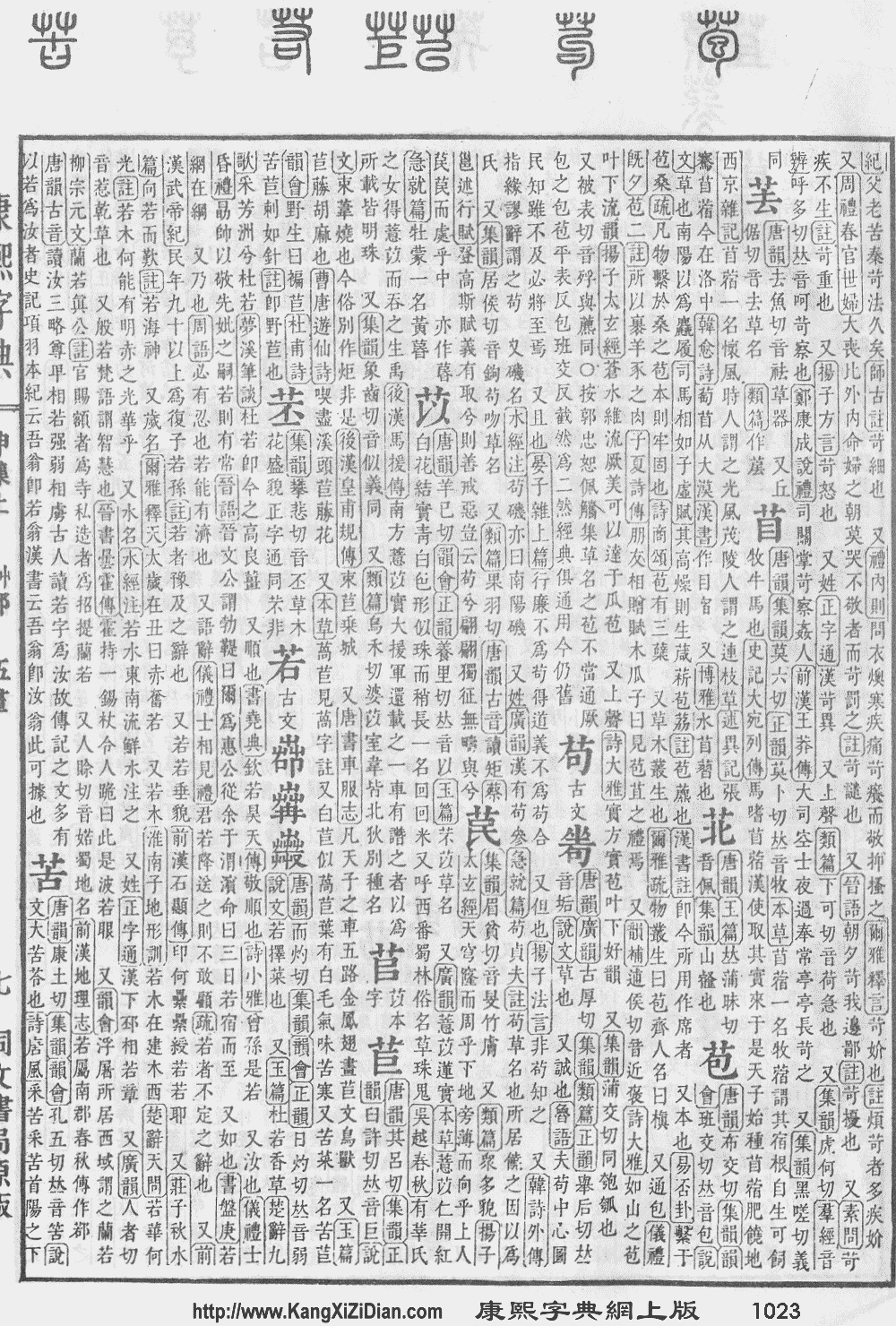
- Kangxi Dictionary: page 1023, character 16
- Dai Kanwa Jiten: character 30797
- Dae Jaweon: page 1482, character 13
- Hanyu Da Zidian (first edition): volume 5, page 3186, character 2
- Unihan data for U+82E6
- Unihan data for U+2F996
Chinese
| trad. | 苦 | |
|---|---|---|
| simp. # | 苦 | |
| alternative forms | 𡿵 𩇵 瘔 | |
Glyph origin
| Historical forms of the character 苦 | |
|---|---|
| Shuowen Jiezi (compiled in Han) | Liushutong (compiled in Ming) |
| Small seal script | Transcribed ancient scripts |
 |
 |
Characters in the same phonetic series (古) (Zhengzhang, 2003)
| Old Chinese | |
|---|---|
| 箇 | *kaːls |
| 個 | *kaːls |
| 居 | *kɯ, *kas |
| 橭 | *kaː, *kʰaː |
| 嫴 | *kaː |
| 姑 | *kaː |
| 辜 | *kaː |
| 酤 | *kaː, *kaːs, *ɡaːʔ |
| 蛄 | *kaː |
| 鴣 | *kaː |
| 沽 | *kaː, *kaːʔ, *kaːs |
| 盬 | *kaː, *kaːʔ |
| 古 | *kaːʔ |
| 罟 | *kaːʔ |
| 估 | *kaːʔ |
| 鈷 | *kaːʔ |
| 詁 | *kaːʔ |
| 牯 | *kaːʔ |
| 故 | *kaːs |
| 固 | *kaːs |
| 稒 | *kaːɡs |
| 痼 | *kaːɡs |
| 錮 | *kaːɡs |
| 鯝 | *kaːɡs |
| 棝 | *kaːɡs |
| 凅 | *kaːɡs |
| 枯 | *kʰaː |
| 軲 | *kʰaː |
| 跍 | *kʰaː |
| 骷 | *kʰaː |
| 苦 | *kʰaːʔ, *kʰaːs |
| 葫 | *qʰaː, *ɡaː |
| 餬 | *ɡaː |
| 瑚 | *ɡaː |
| 湖 | *ɡaː |
| 鶘 | *ɡaː |
| 猢 | *ɡaː |
| 醐 | *ɡaː |
| 糊 | *ɡaː |
| 箶 | *ɡaː |
| 蝴 | *ɡaː |
| 胡 | *ɡaː |
| 瓳 | *ɡaː |
| 怙 | *ɡaːʔ |
| 祜 | *ɡaːʔ |
| 岵 | *ɡaːʔ |
| 婟 | *ɡaːʔ, *ɡaːɡs |
| 楛 | *ɡaːʔ |
| 据 | *ka |
| 裾 | *ka |
| 琚 | *ka |
| 椐 | *ka, *kas, *kʰa |
| 鶋 | *ka |
| 蜛 | *ka |
| 崌 | *ka |
| 涺 | *ka |
| 腒 | *ka, *ɡa |
| 鋸 | *kas |
| 倨 | *kas |
| 踞 | *kas |
| 涸 | *ɡaːɡ |
Phono-semantic compound (形聲/形声, OC *kʰaːʔ, *kʰaːs) : semantic 艸 (“grass”) + phonetic 古 (OC *kaːʔ) – bitter (as in bitter plants).
Etymology 1
From Proto-Sino-Tibetan *b-ka (“bitter; salty”); compare Tibetan ཁ (kha, “bitter”), Tangut 𗎖 (*khie¹, “bitter”) (STEDT; Jacques, 2014). Within Chinese, cognate with 肝 (OC *kaːn, “liver”).
Pronunciation
Definitions
苦
- bitter
- 苦瓜 ― kǔguā ― bittermelon
- Alternative name for 荼 (tú, “bitter plant”).
- difficult; painful; hard
- hardship; suffering
- 辛苦 ― xīnkǔ ― laborious; hard; miserable
- (regional) excessive
- (transitive) to cause someone suffering; to give someone a hard time
- to suffer from; to be handicapped by
- 魏武曰:「人苦無足,既得隴右,復欲得蜀!」 [Literary Chinese, trad.]
- From: 648 CE, Fang Xuanling (lead editor), Book of Jin
- Wèi Wǔ yuē: “Rén kǔ wúzú, jì dé Lǒngyòu, fù yù dé Shǔ!” [Pinyin]
- (Emperor) Wu of Wei said: "Men suffer from insatiability, already having Longyou yet still wanting to get Shu!"
魏武曰:「人苦无足,既得陇右,复欲得蜀!」 [Literary Chinese, simp.]
- (obsolete or Eastern Min) to worry about; to be concerned about
- strenuously; painstakingly
- 苦笑 ― kǔxiào ― to force a smile
Synonyms
Compounds
- 一片苦心
- 不以為苦/不以为苦
- 不知甘苦
- 不苦歡/不苦欢
- 不苦詐/不苦诈
- 不辭勞苦/不辞劳苦 (bùcíláokǔ)
- 伶仃孤苦
- 何苦 (hékǔ)
- 作苦
- 何苦來/何苦来 (hékǔlái)
- 倒懸之苦/倒悬之苦
- 停辛佇苦
- 備嘗艱苦/备尝艰苦
- 備嘗辛苦/备尝辛苦
- 免苦錢/免苦钱
- 八苦
- 冥思苦想 (míngsīkǔxiǎng)
- 冥思苦索 (míngsīkǔsuǒ)
- 冤苦
- 冤苦錢/冤苦钱
- 分甘共苦
- 刻苦 (kèkǔ)
- 刻苦耐勞/刻苦耐劳
- 勞苦/劳苦
- 勞苦功高/劳苦功高 (láokǔgōnggāo)
- 勤苦 (qínkǔ)
- 匏有苦葉/匏有苦叶
- 千辛百苦
- 千辛萬苦/千辛万苦 (qiānxīnwànkǔ)
- 厭苦/厌苦
- 受苦 (shòukǔ)
- 叫苦 (jiàokǔ)
- 叫苦不迭 (jiàokǔbùdié)
- 叫苦連天/叫苦连天 (jiàokǔliántiān)
- 同甘共苦 (tónggāngòngkǔ)
- 同甘同苦
- 合苦
- 吃苦 (chīkǔ)
- 吐苦水
- 吃苦耐勞/吃苦耐劳 (chīkǔnàiláo)
- 吃苦頭/吃苦头 (chī kǔtou)
- 含辛茹苦 (hánxīnrúkǔ)
- 命苦 (mìngkǔ)
- 嘴甜心苦
- 嚥苦吞甘/咽苦吞甘
- 困苦 (kùnkǔ)
- 埋頭苦幹/埋头苦干 (máitóukǔgàn)
- 堅苦/坚苦 (jiānkǔ)
- 堅苦卓絕/坚苦卓绝
- 報苦窮兒/报苦穷儿
- 大苦
- 孤苦 (gūkǔ)
- 孤苦伶仃 (gūkǔlíngdīng)
- 孤苦無依/孤苦无依
- 孤苦零丁 (gūkǔlíngdīng)
- 害苦
- 家貧命苦/家贫命苦
- 寒苦
- 忆苦思甜 (yìkǔsītián)
- 怨憎會苦/怨憎会苦
- 恤孤念苦
- 恨苦
- 恨苦修行
- 患苦
- 悲苦 (bēikǔ)
- 悽苦/凄苦
- 愛別離苦/爱别离苦
- 愁眉苦目
- 愁眉苦眼
- 愁眉苦臉/愁眉苦脸 (chóuméikǔliǎn)
- 愁苦 (chóukǔ)
- 慳吝苦剋/悭吝苦克
- 憐貧恤苦/怜贫恤苦
- 挖苦 (wākǔ)
- 攢眉苦臉/攒眉苦脸
- 攻苦
- 攻苦食淡
- 救苦救難/救苦救难
- 春宵苦短
- 有苦難言/有苦难言
- 毒藥苦口/毒药苦口
- 氣苦/气苦
- 清苦 (qīngkǔ)
- 淒風苦雨/凄风苦雨
- 濟苦憐貧/济苦怜贫
- 濟貧拔苦/济贫拔苦
- 無邊苦海/无边苦海
- 煞費苦心/煞费苦心
- 犯顏苦諫/犯颜苦谏
- 甘瓜苦蒂
- 甘盡苦來/甘尽苦来
- 甘苦 (gānkǔ)
- 甜酸苦辣 (tiánsuānkǔlà)
- 用心良苦
- 病苦
- 疾苦 (jíkǔ)
- 痛苦 (tòngkǔ)
- 研精苦思
- 萬苦千辛/万苦千辛
- 窮苦/穷苦 (qióngkǔ)
- 脫離苦海/脱离苦海
- 自找苦吃
- 自苦 (zìkǔ)
- 自討苦吃/自讨苦吃 (zìtǎokǔchī)
- 艮苦冰涼/艮苦冰凉
- 良工心苦
- 良藥苦口/良药苦口 (liángyàokǔkǒu)
- 艱苦/艰苦 (jiānkǔ)
- 艱苦卓絕/艰苦卓绝 (jiānkǔzhuójué)
- 艱苦奮鬥/艰苦奋斗 (jiānkǔfèndòu)
- 芒芒苦海
- 苦不堪言 (kǔbùkānyán)
- 苦不聊生
- 苦中作樂/苦中作乐 (kǔzhōngzuòlè)
- 苦主 (kǔzhǔ)
- 苦事
- 苦人
- 苦修
- 苦刑 (kǔxíng)
- 苦力 (kǔlì)
- 苦功 (kǔgōng)
- 苦勸/苦劝 (kǔquàn)
- 苦參/苦参 (kǔshēn)
- 苦口 (kǔkǒu)
- 苦口婆心 (kǔkǒupóxīn)
- 苦命 (kǔmìng)
- 苦哈哈 (kǔhāhā)
- 苦啾啾
- 苦土 (kǔtǔ)
- 苦土肥料
- 苦地
- 苦境 (kǔjìng)
- 苦夏
- 苦多
- 苦子
- 苦孜孜
- 苦寒 (kǔhán)
- 苦寒行
- 苦工 (kǔgōng)
- 苦差事
- 苦幹/苦干 (kǔgàn)
- 苦待 (kǔdài)
- 苦心 (kǔxīn)
- 苦心孤詣/苦心孤诣
- 苦心焦慮/苦心焦虑
- 苦心積慮/苦心积虑
- 苦心竭力
- 苦心經營/苦心经营 (kǔxīnjīngyíng)
- 苦思 (kǔsī)
- 苦思惡想/苦思恶想
- 苦悶/苦闷 (kǔmèn)
- 苦惱/苦恼 (kǔnǎo)
- 苦憶/苦忆
- 苦戰/苦战 (kǔzhàn)
- 苦手
- 苦撐/苦撑
- 苦日子 (kǔrìzi)
- 苦旱 (kǔhàn)
- 苦李
- 苦果 (kǔguǒ)
- 苦楚 (kǔchǔ)
- 苦業/苦业
- 苦楝子 (kǔliànzǐ)
- 苦樂/苦乐
- 苦死 (kǔsǐ)
- 苦殺/苦杀
- 苦水 (kǔshuǐ)
- 苦求
- 苦河
- 苦活兒/苦活儿
- 苦海 (kǔhǎi)
- 苦海無涯/苦海无涯
- 苦海無邊/苦海无边
- 苦澀/苦涩 (kǔsè)
- 苦熬
- 苦瓜 (kǔguā)
- 苦瓜臉/苦瓜脸 (kǔguāliǎn)
- 苦瓠子
- 苦留
- 苦痛 (kǔtòng)
- 苦盡甘來/苦尽甘来 (kǔjìngānlái)
- 苦相
- 苦空
- 苦窳
- 苦竹 (kǔzhú)
- 苦笑 (kǔxiào)
- 苦等
- 苦節/苦节 (kǔjiè)
- 苦累
- 苦練/苦练 (kǔliàn)
- 苦繃苦拽/苦绷苦拽
- 苦肉計/苦肉计 (kǔròujì)
- 苦腦子/苦脑子
- 苦船
- 苦艾 (kǔ'ài)
- 苦苣
- 苦苦 (kǔkǔ)
- 苦苦哀求
- 苦苦相逼
- 苦苣苔
- 苦茶
- 苦茶油
- 苦荼 (kǔtú)
- 苦菜 (kǔcài)
- 苦著臉/苦著脸
- 苦薏 (kǔyì)
- 苦處/苦处 (kǔchù)
- 苦行 (kǔxíng)
- 苦衷 (kǔzhōng)
- 苦言
- 苦諫/苦谏
- 苦買賣/苦买卖
- 苦車/苦车
- 苦辛 (kǔxīn)
- 苦難/苦难 (kǔnàn)
- 苦雨
- 苦雨淒風/苦雨凄风
- 苦頭/苦头 (kǔtóu)
- 茹苦含辛
- 茫茫苦海
- 訴苦/诉苦 (sùkǔ)
- 貧苦/贫苦 (pínkǔ)
- 辛苦 (xīnkǔ)
- 辛辛苦苦 (xīnxīnkǔkǔ)
- 道傍苦李
- 酸甜苦辣 (suāntiánkǔlà)
- 零丁孤苦
- 顏苦孔卓/颜苦孔卓
- 顛連困苦/颠连困苦
See also
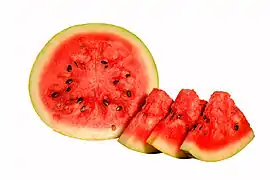
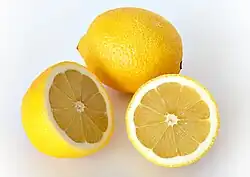
| Basic tastes in Chinese · 味道 (layout · text) | |||||
|---|---|---|---|---|---|
 |
 |
 |
 |
 |
 |
| 甜 (tián) | 酸 (suān) | 鹹/咸 (xián) | 苦 | 辣 (là) | 鮮味/鲜味 (xiānwèi) |
Pronunciation
Further reading
- “Entry #5470”, in 臺灣閩南語常用詞辭典 [Dictionary of Frequently-Used Taiwan Minnan] (overall work in Mandarin and Hokkien), Ministry of Education, R.O.C., 2023.
- “苦”, in 漢語多功能字庫 (Multi-function Chinese Character Database), 香港中文大學 (the Chinese University of Hong Kong), 2014–
Japanese
Kanji
苦
Readings
- Go-on: く (ku, Jōyō)
- Kan-on: こ (ko)
- Kun: くるしい (kurushii, 苦しい, Jōyō); くるしむ (kurushimu, 苦しむ, Jōyō); くるしめる (kurushimeru, 苦しめる, Jōyō); くるしみ (kurushimi, 苦しみ); くるしむめる (kurushimumeru, 苦しむめる); にがい (nigai, 苦い, Jōyō); にがむ (nigamu, 苦む); にがみ (nigami, 苦み); にがめる (nigameru, 苦める); にがる (nigaru, 苦る, Jōyō); はなはだ (hanahada, 苦だ)
References
- Matsumura, Akira, editor (2006), 大辞林 [Daijirin] (in Japanese), Third edition, Tōkyō: Sanseidō, →ISBN
- NHK Broadcasting Culture Research Institute, editor (1998), NHK日本語発音アクセント辞典 [NHK Japanese Pronunciation Accent Dictionary] (in Japanese), Tōkyō: NHK Publishing, →ISBN
Korean
Etymology
(This etymology is missing or incomplete. Please add to it, or discuss it at the Etymology scriptorium. Particularly: “Middle Korean readings, if any”)
Pronunciation
- (SK Standard/Seoul) IPA(key): [ko̞]
- Phonetic hangul: [고]
Vietnamese
Alternative forms
- 𦹵
- 𦹯
This article is issued from Wiktionary. The text is licensed under Creative Commons - Attribution - Sharealike. Additional terms may apply for the media files.