留
| ||||||||
| ||||||||
Translingual
Han character
留 (Kangxi radical 102, 田+5, 10 strokes, cangjie input 竹竹田 (HHW), four-corner 77602, composition ⿱⿰𠂎刀田)
Derived characters
Descendants
- Japanese: る
References
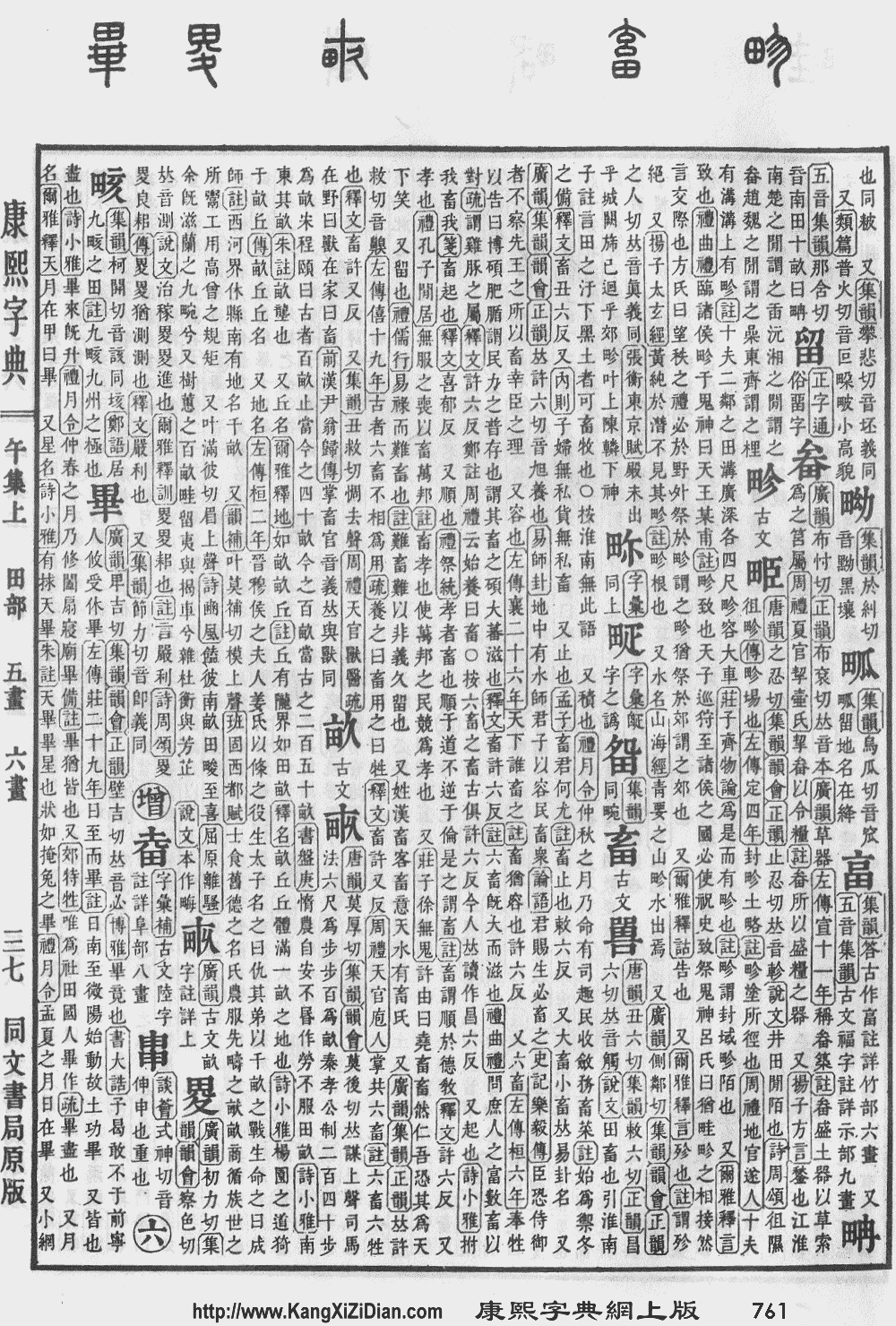
- Kangxi Dictionary: page 761, character 5
- Dai Kanwa Jiten: character 21808
- Dae Jaweon: page 1171, character 1
- Hanyu Da Zidian (first edition): volume 4, page 2537, character 4
- Unihan data for U+7559
- Unihan data for U+F9CD
Chinese
Glyph origin
Characters in the same phonetic series (卯) (Zhengzhang, 2003)
| Old Chinese | |
|---|---|
| 卯 | *mruːʔ |
| 昴 | *mruːʔ |
| 泖 | *mruːʔ |
| 茆 | *mruːʔ, *m·ruʔ |
| 奅 | *m̥ʰruːs |
| 窌 | *m̥ʰruːs, *m·ruː, *m·rus |
| 聊 | *m·rɯːw |
| 貿 | *mlus |
| 鄮 | *mlus |
| 劉 | *m·ru |
| 留 | *m·ru, *m·rus |
| 蒥 | *m·ru |
| 鶹 | *m·ru |
| 騮 | *m·ru |
| 榴 | *m·ru |
| 瑠 | *ru |
| 瘤 | *m·ru, *m·rus |
| 遛 | *m·ru |
| 鎦 | *m·ru |
| 飀 | *m·ru |
| 鰡 | *m·ru |
| 嵧 | *m·ru |
| 餾 | *m·ru, *m·rus |
| 瀏 | *m·ru, *m·ruʔ |
| 懰 | *m·ru, *m·ruʔ |
| 柳 | *m·ruʔ |
| 珋 | *m·ruʔ |
| 罶 | *m·ruʔ |
| 嬼 | *m·ruʔ, *m·rus |
| 溜 | *m·rus |
| 霤 | *m·rus |
| 廇 | *m·rus |
| 塯 | *m·rus |
In bronze inscriptions, phono-semantic compound (形聲/形声, OC *m·ru, *m·rus) : phonetic 卯 (OC *mruːʔ) + semantic 田 (“field”). Later in small seal script, phonetic 丣 (OC *luʔ) + semantic 田.
Definitions
留
- to stay; to remain
- to ask someone to stay; to detain
- to keep; to save; to hold in reserve; to retain; to maintain
- to leave behind (a package, a message, an impression, etc.)
- Short for 留學/留学 (liúxué, “to study abroad”).
- 留美 ― liúměi ― to study in the US
- to accept (a gift)
- to allow to grow
- to concentrate (on something)
- Alternative form of 流 (liú)
- a surname
Compounds
- 七留七林
- 三不留
- 不中留
- 不留 (bùliú)
- 不留一字
- 不留心
- 不留神
- 不留餘地/不留余地 (bùliúyúdì)
- 不留體統/不留体统
- 久留 (jiǔliú)
- 乞留乞良
- 乞留惡濫/乞留恶滥
- 乞留曲律
- 乞留玎琅
- 人死留名
- 代留
- 伊留申
- 保留 (bǎoliú)
- 保留價格/保留价格
- 保留地 (bǎoliúdì)
- 保留徵收/保留征收
- 保留戶/保留户
- 保留曲線/保留曲线
- 保留林
- 保留盈餘/保留盈余
- 偎留
- 停留 (tíngliú)
- 停留長智/停留长智
- 刀下留人 (dāoxiàliúrén)
- 剔留禿魯/剔留秃鲁
- 劈留撲碌/劈留扑碌
- 勾留 (gōuliú)
- 去留 (qùliú)
- 外僑居留/外侨居留
- 奄留
- 女大難留/女大难留
- 存留 (cúnliú)
- 容留 (róngliú)
- 寸甲不留
- 寸草不留
- 小留學生/小留学生
- 居留 (jūliú)
- 居留權/居留权 (jūliúquán)
- 居留證/居留证 (jūliúzhèng)
- 屯留縣/屯留县
- 張良擇留/张良择留
- 彌留/弥留 (míliú)
- 志留紀/志留纪 (Zhìliú Jì)
- 急留骨碌
- 慰留
- 截留
- 截鐙留鞭/截镫留鞭
- 截髮留賓/截发留宾
- 手下留情 (shǒuxiàliúqíng)
- 扣留 (kòuliú)
- 扳留
- 拘留 (jūliú)
- 拘留所 (jūliúsuǒ)
- 挽留 (wǎnliú)
- 攀留
- 收留 (shōuliú)
- 款留 (kuǎnliú)
- 步步留心
- 殘留/残留 (cánliú)
- 毫不留情 (háobùliúqíng)
- 沒留沒亂/没留没乱
- 淹留
- 淅留淅零
- 淅零淅留
- 滯留/滞留 (zhìliú)
- 滴留撲/滴留扑
- 滯留鋒/滞留锋
- 瀦留/潴留 (zhūliú)
- 片甲不留 (piànjiǎbùliú)
- 王留
- 留一手
- 留下 (liúxià)
- 留中不發/留中不发 (liúzhōngbùfā)
- 留任 (liúrèn)
- 留低
- 留住 (liúzhù)
- 留侯
- 留侯論/留侯论
- 留傳/留传 (liúchuán)
- 留別/留别
- 留取
- 留名 (liúmíng)
- 留堂
- 留存 (liúcún)
- 留學/留学 (liúxué)
- 留學生/留学生 (liúxuéshēng)
- 留學考試/留学考试
- 留守 (liúshǒu)
- 留客住
- 留客雨
- 留宿 (liúsù)
- 留寓
- 留尾巴
- 留帖
- 留影 (liúyǐng)
- 留待 (liúdài)
- 留後手/留后手
- 留後步/留后步
- 留後路/留后路
- 留得青山在,不怕沒柴燒/留得青山在,不怕没柴烧 (liú dé qīngshān zài, bùpà méi chái shāo)
- 留心 (liúxīn)
- 留心用意
- 留念 (liúniàn)
- 留情 (liúqíng)
- 留意 (liúyì)
- 留懷/留怀
- 留戀/留恋 (liúliàn)
- 留成
- 留扣子
- 留春
- 留有餘地/留有余地
- 留校 (liúxiào)
- 留根
- 留步 (liúbù)
- 留洋 (liúyáng)
- 留海 (liúhǎi)
- 留滯/留滞
- 留班 (liúbān)
- 留班生
- 留白 (liúbái)
- 留神 (liúshén)
- 留級/留级 (liújí)
- 留級生/留级生
- 留置 (liúzhì)
- 留置觀察/留置观察
- 留美學人/留美学人
- 留聲機/留声机 (liúshēngjī)
- 留職/留职 (liúzhí)
- 留職停薪/留职停薪
- 留臉/留脸
- 留臉面/留脸面
- 留芳百世
- 留蘭香/留兰香
- 留言 (liúyán)
- 留言冊/留言册
- 留言板
- 留言簿 (liúyánbù)
- 留話/留话 (liúhuà)
- 留身
- 留退步
- 留連/留连 (liúlián)
- 留連不捨/留连不舍
- 留連忘返/留连忘返
- 留醫/留医 (liúyī)
- 留門/留门
- 留難/留难
- 留面子
- 留頭/留头
- 留題/留题
- 留飯/留饭
- 留餘地/留余地
- 留駐/留驻
- 留髡
- 留鳥/留鸟 (liúniǎo)
- 的留的立
- 萬古留芳/万古留芳
- 稽留 (jīliú)
- 羈留/羁留 (jīliú)
- 自留地 (zìliúdì)
- 自留山
- 苦留
- 苟留殘喘/苟留残喘
- 虎死留皮
- 豹死留皮
- 赤留出律
- 迷留悶亂/迷留闷乱
- 迷留摸亂/迷留摸乱
- 迷留沒亂/迷留没乱
- 逗留 (dòuliú)
- 逋留 (būliú)
- 遮道挽留
- 遺留/遗留 (yíliú)
- 遲留/迟留 (chíliú)
- 邀留
- 鄭驛留賓/郑驿留宾
- 陳留/陈留 (Chénliú)
- 雞犬不留/鸡犬不留
- 青史名留
- 青史留名
- 革留
- 革職留任/革职留任
- 須留/须留 (xūliú)
- 預留/预留 (yùliú)
- 養虎留患/养虎留患
- 馬留/马留 (mǎliú)
- 齒頰留香/齿颊留香
Compounds
- 宿留
References
- “留”, in 漢語多功能字庫 (Multi-function Chinese Character Database), 香港中文大學 (the Chinese University of Hong Kong), 2014–
- Dictionary of Chinese Character Variants (教育部異體字字典), A02645
Japanese
Readings
Old Korean
Alternative forms
- 以 (logographic variant used in Idu and Gugyeol texts)
Particle
留 (*-lwo)
- to; towards (directional case marker)
- by; with; using (instrumental case marker)
Usage notes
留 takes the vowel-initial allomorph 乙留 or 乙以 after a consonant, corresponding exactly to the Middle and Modern Korean allomorph 으로 (Yale: ulo) also appearing after a consonant.
Reconstruction notes
Conventionally reconstructed as *-lwo after the Middle Korean reflex, although the source Chinese readings suggest a different vowel. Many scholars suggest *-lwu instead.
References
- 이승재 (Lee Seung-jae) (2000) “차자표기 자료의 격조사 연구 [chajapyogi jaryoui gyeokjosa yeon'gu, Study of case markers in the Chinese-based orthography [of Korean]]”, in Gugeo gungmunhak, volume 127, pages 107–132
- 박지용 外 (Park Ji-yong et al.) (2012) 향가 해독 자료집 [hyangga haedok jaryojip, A Sourcebook of Hyangga Interpretations], Seoul National University, pages 199—200
Vietnamese
This article is issued from Wiktionary. The text is licensed under Creative Commons - Attribution - Sharealike. Additional terms may apply for the media files.