覡
See also: 觋
| ||||||||
Translingual
Han character
覡 (Kangxi radical 147, 見+7, 14 strokes, cangjie input 一人月山山 (MOBUU), four-corner 16110, composition ⿰巫見)
References
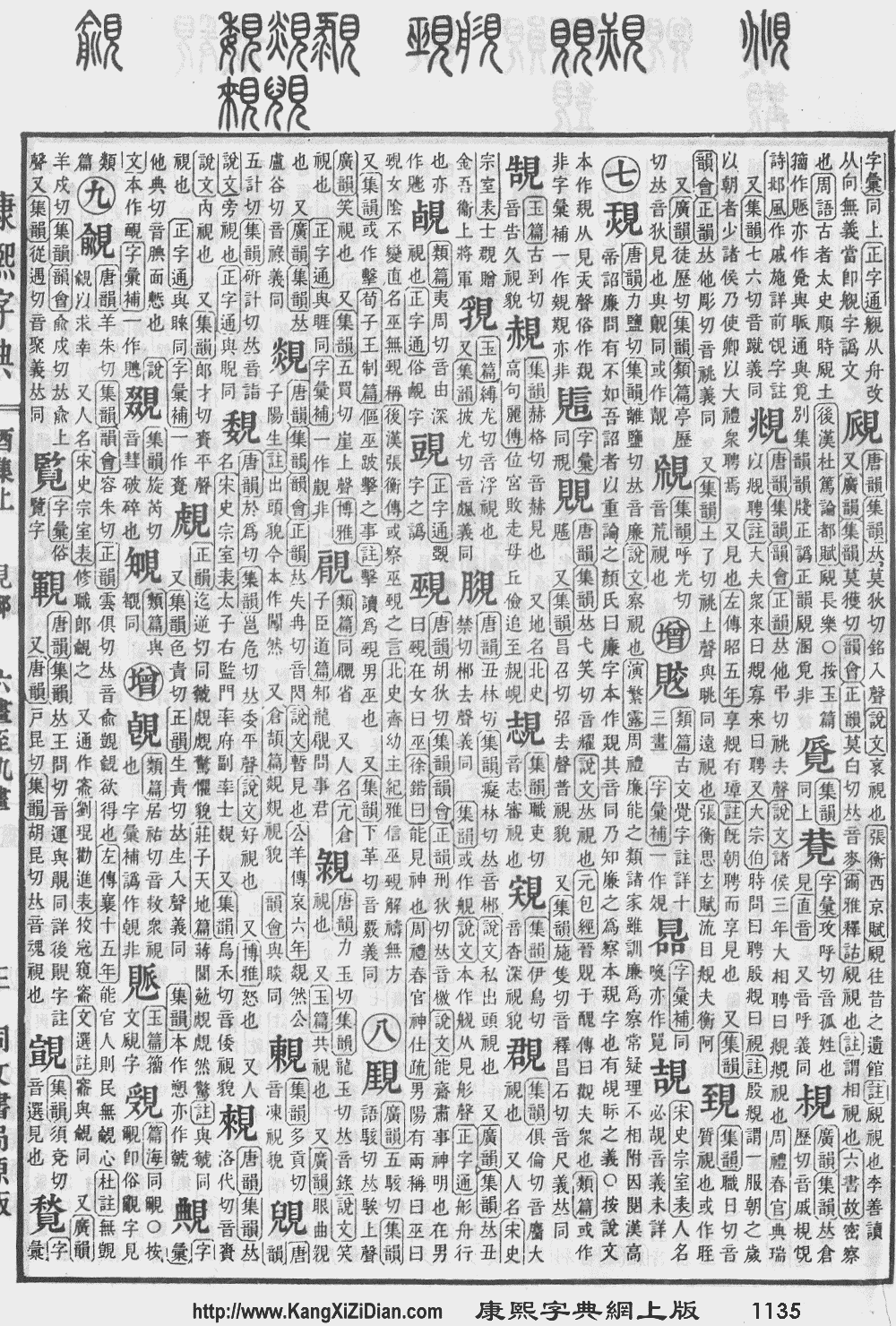
- Kangxi Dictionary: page 1135, character 23
- Dai Kanwa Jiten: character 34875
- Dae Jaweon: page 1602, character 2
- Hanyu Da Zidian (first edition): volume 6, page 3668, character 17
- Unihan data for U+89A1
Chinese
Etymology 1
| trad. | 覡 | |
|---|---|---|
| simp. | 觋 | |
| alternative forms | 擊/击 | |
Earliest extant attestation is in Discourses of the States (translation adapted from Keightley, 1989):
- 古者民神不雜。民之精爽不攜貳者,而又能齊肅衷正,其智能上下比義,其聖能光遠宣朗,其明能光照之,其聰能聽徹之,如是則明神降之,在男曰覡,在女曰巫。是使制神之處位次主,而為之牲器時服。 [Classical Chinese, trad.]
- From: Guoyu, circa 4th century BCE
- Gǔ zhě mín shén bù zá. Mín zhī jīngshuǎng bù xié'èr zhě, ér yòu néng qí sù zhōng zhèng, qí zhì néng shàngxià bǐ yì, qí shèng néng guāng yuǎn xuān lǎng, qí míng néng guāngzhào zhī, qí cōng néng tīng chè zhī, rúshì zé míngshén jiàng zhī, zài nán yuē xí, zài nǚ yuē wū. Shì shǐ zhì shén zhī chùwèi cìzhǔ, ér wéi zhī shēng qì shífú. [Pinyin]
- [I]n antiquity, the (officers in charge of the) people and the (officers in charge of the) spirits were not intermingled (i.e., were not mixed up). There were those among the people whose spiritual vigor was undiverted and who were also able to act in reverence and rectitude; their intelligence could conform to what is right in the upper and lower realms, their sagacity could blaze afar and display what is bright, their clear vision could illuminate it, their astute hearing could provide thorough understanding of it. Thus, the spirits (ming shen 明神) descended to them. In the case of men, (these special people) were called Xi 覡; in the case of women, they were called Wu 巫. Thus, one employed them to give order to the position and precedence of the spirits and to prepare their sacrificial victims, the ritual vessels, and the ceremonial garments of the seasons.
古者民神不杂。民之精爽不携贰者,而又能齐肃衷正,其智能上下比义,其圣能光远宣朗,其明能光照之,其聪能听彻之,如是则明神降之,在男曰觋,在女曰巫。是使制神之处位次主,而为之牲器时服。 [Classical Chinese, simp.]
Pronunciation
Pronunciation
Compounds
- 問覡/问觋
- 覡公/觋公
- 覡婆/觋婆
Japanese
Readings
Etymology 1
| Kanji in this term |
|---|
| 覡 |
| かんなぎ Hyōgaiji |
| kun’yomi |
| For pronunciation and definitions of 覡 – see the following entry. | ||
| ||
| (This term, 覡, is an alternative spelling of the above term.) |
Etymology 2
| Kanji in this term |
|---|
| 覡 |
| こうなぎ Hyōgaiji |
| kun’yomi |
| For pronunciation and definitions of 覡 – see the following entry. | ||
| ||
| (This term, 覡, is an alternative spelling of the above term.) |
Korean
Hanja
覡 • (gyeok) (hangeul 격, revised gyeok, McCune–Reischauer kyŏk, Yale kyek)
- This term needs a translation to English. Please help out and add a translation, then remove the text
{{rfdef}}.
This article is issued from Wiktionary. The text is licensed under Creative Commons - Attribution - Sharealike. Additional terms may apply for the media files.