先
| ||||||||
Translingual
| Stroke order | |||
|---|---|---|---|
 | |||
Han character
先 (Kangxi radical 10, 儿+4, 6 strokes, cangjie input 竹土竹山 (HGHU), four-corner 24211, composition ⿱𠂒儿)
Derived characters
References
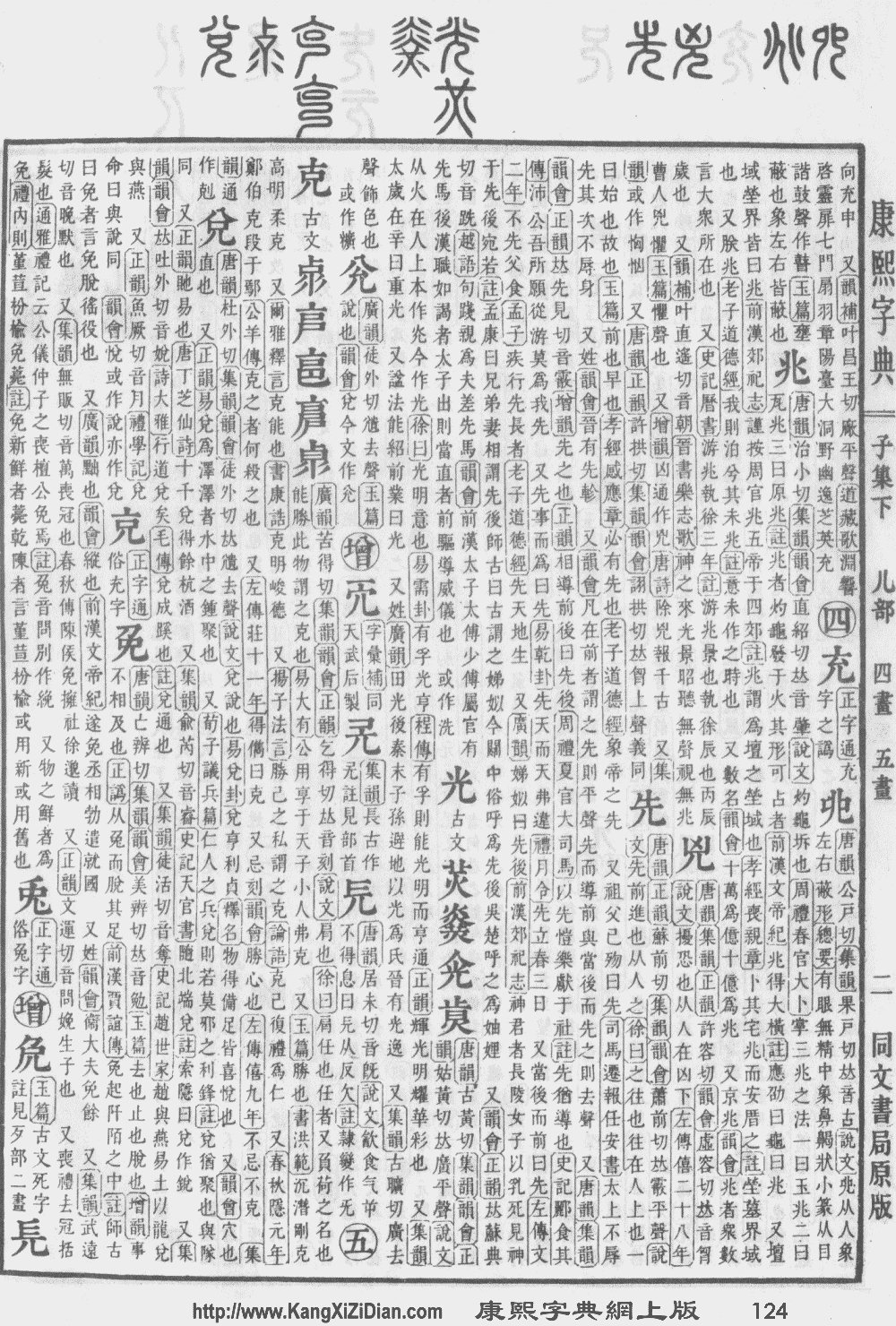
- Kangxi Dictionary: page 124, character 5
- Dai Kanwa Jiten: character 1349
- Dae Jaweon: page 260, character 6
- Hanyu Da Zidian (first edition): volume 1, page 267, character 2
- Unihan data for U+5148
Chinese
| simp. and trad. |
先 | |
|---|---|---|
Glyph origin
| Historical forms of the character 先 | ||||||||||||||||||||||||||||||||||||||||||||||||||||||||||||||||||||||||||||||||||||||||||||||||||||||||||||||||||||||||||||||||||||||||||||||||||||
|---|---|---|---|---|---|---|---|---|---|---|---|---|---|---|---|---|---|---|---|---|---|---|---|---|---|---|---|---|---|---|---|---|---|---|---|---|---|---|---|---|---|---|---|---|---|---|---|---|---|---|---|---|---|---|---|---|---|---|---|---|---|---|---|---|---|---|---|---|---|---|---|---|---|---|---|---|---|---|---|---|---|---|---|---|---|---|---|---|---|---|---|---|---|---|---|---|---|---|---|---|---|---|---|---|---|---|---|---|---|---|---|---|---|---|---|---|---|---|---|---|---|---|---|---|---|---|---|---|---|---|---|---|---|---|---|---|---|---|---|---|---|---|---|---|---|---|---|---|
| Shang | Western Zhou | Shuowen Jiezi (compiled in Han) | Liushutong (compiled in Ming) | |||||||||||||||||||||||||||||||||||||||||||||||||||||||||||||||||||||||||||||||||||||||||||||||||||||||||||||||||||||||||||||||||||||||||||||||||
| Oracle bone script | Bronze inscriptions | Small seal script | Transcribed ancient scripts | |||||||||||||||||||||||||||||||||||||||||||||||||||||||||||||||||||||||||||||||||||||||||||||||||||||||||||||||||||||||||||||||||||||||||||||||||
 |
 |
 |
 | |||||||||||||||||||||||||||||||||||||||||||||||||||||||||||||||||||||||||||||||||||||||||||||||||||||||||||||||||||||||||||||||||||||||||||||||||
|||
|
References: Mostly from Richard Sears' Chinese Etymology site (authorisation),
| ||||||||||||||||||||||||||||||||||||||||||||||||||||||||||||||||||||||||||||||||||||||||||||||||||||||||||||||||||||||||||||||||||||||||||||||||||||


Ideogrammic compound (會意/会意) : 之 (“foot”) + 儿 (“person”) – to go forward.
Etymology
Sino-Tibetan. Cognate with Tibetan བསེལ (bsel, “to protect (on a dangerous path); to escort”), Chepang स्यालःसा (syalʔ‑, “to lead; to go or do first; to open way”) (Schuessler, 2007).
Pronunciation 1
Definitions
先
- first; ahead of time; before; beforehand
- first; preceding; prior
- for the time being; for the moment
- (colloquial) earlier on; before; at first
- ancient
- deceased; late
- 先父 ― xiānfù ― deceased father
- ancestor; forefather
- 祖先 ― zǔxiān ― ancestor
- thing of utmost importance
- Short for 先生 (xiānshēng).
- Short for 先手 (xiānshǒu).
- (Cantonese) only then
- (Cantonese) first off
- (Cantonese) Used to emphasize that something is/is not.
- a surname
Usage notes
- (first; beforehand): In Standard Mandarin, 先 comes before the verb; in Cantonese, Teochew and Southeast Asian Mandarin, 先 comes after the verb (and elements such as verb aspect and verb object).
Synonyms
| Variety | Location | Words |
|---|---|---|
| Formal (Written Standard Chinese) | 才2, 再, 方, 始, 方才 | |
| Mandarin | Taiwan | 才2 |
| Singapore | 才2 | |
| Cantonese | Guangzhou | 先, 至, 先至 |
| Hong Kong | 先, 至, 先至 | |
| Hakka | Meixian | 正 |
| Southern Min | Xiamen | 才3 |
| Quanzhou | 才3 | |
| Zhangzhou | 才3 | |
| Singapore (Hokkien) | 才3 | |
| Manila (Hokkien) | 才3 | |
| Shantou | 正 | |
| Singapore (Teochew) | 正 | |
| Wu | Shanghai | 再, 才2 |
| Suzhou | 再 | |
| Xiang | Changsha | 才至 |
Compounds
- 一路領先/一路领先 (yīlùlǐngxiān)
- 一馬當先/一马当先 (yīmǎdāngxiān)
- 七代先靈/七代先灵
- 下江先生
- 也克先拜巴扎 (Yěkèxiān Bàibāzhā)
- 事先 (shìxiān)
- 五柳先生
- 亭林先生
- 佔先/占先 (zhànxiān)
- 儘先/尽先
- 優先/优先 (yōuxiān)
- 優先權/优先权 (yōuxiānquán)
- 先下手為強/先下手为强 (xiān xiàshǒu wéi qiáng)
- 先世 (xiānshì)
- 先主
- 先人 (xiānrén)
- 先人後己/先人后己
- 先令 (xiānlìng)
- 先來/先来
- 先例 (xiānlì)
- 先來後到/先来后到
- 先儒
- 先兆 (xiānzhào)
- 先兒/先儿
- 先入之見/先入之见 (xiānrùzhījiàn)
- 先入為主/先入为主 (xiānrùwéizhǔ)
- 先公後私/先公后私
- 先前 (xiānqián)
- 先務/先务
- 先卿
- 先古 (xiāngǔ)
- 先君 (xiānjūn)
- 先吾著鞭
- 先哲 (xiānzhé)
- 先嚴/先严
- 先塋/先茔
- 先天 (xiāntiān)
- 先夫 (xiānfū)
- 先天不足 (xiāntiānbùzú)
- 先天性 (xiāntiānxìng)
- 先天缺陷 (xiāntiān quēxiàn)
- 先天說/先天说
- 先妣 (xiānbǐ)
- 先妾
- 先室
- 先容
- 先導/先导 (xiāndǎo)
- 先帝 (xiāndì)
- 先師/先师 (xiānshī)
- 先年
- 先後/先后 (xiānhòu)
- 先後倒置/先后倒置
- 先從隗始/先从隗始
- 先德
- 先意希旨
- 先意承志
- 先意承旨
- 先慈 (xiāncí)
- 先憂後樂/先忧后乐
- 先手 (xiānshǒu)
- 先斬後奏/先斩后奏 (xiānzhǎnhòuzòu)
- 先斬後聞/先斩后闻
- 先施
- 先是 (xiānshì)
- 先時/先时
- 先期 (xiānqī)
- 先機/先机
- 先正
- 先母 (xiānmǔ)
- 先民 (xiānmín)
- 先決問題/先决问题
- 先決條件/先决条件 (xiānjué tiáojiàn)
- 先河 (xiānhé)
- 先澤/先泽
- 先烈 (xiānliè)
- 先父 (xiānfù)
- 先王 (xiānwáng)
- 先生 (xiānshēng)
- 先疇/先畴
- 先登
- 先發/先发 (xiānfā)
- 先發制人/先发制人 (xiānfāzhìrén)
- 先皇 (xiānhuáng)
- 先盛後衰/先盛后衰
- 先睹為快/先睹为快 (xiāndǔwéikuài)
- 先知 (xiānzhī)
- 先知先覺/先知先觉
- 先祀
- 先祖 (xiānzǔ)
- 先祖妣
- 先祖考
- 先禮後兵/先礼后兵 (xiānlǐhòubīng)
- 先秦 (xiānqín)
- 先秦諸子/先秦诸子
- 先策
- 先緒/先绪
- 先缺後空/先缺后空
- 先考 (xiānkǎo)
- 先聖/先圣 (xiānshèng)
- 先聲/先声 (xiānshēng)
- 先聲奪人/先声夺人 (xiānshēngduórén)
- 先聲後實/先声后实
- 先臣
- 先花後果/先花后果 (xiānhuāhòuguǒ)
- 先荊/先荆
- 先蠶/先蚕
- 先行 (xiānxíng)
- 先行官 (xiānxíngguān)
- 先行後聞/先行后闻
- 先見/先见 (xiānjiàn)
- 先見之明/先见之明 (xiānjiànzhīmíng)
- 先覺/先觉 (xiānjué)
- 先覺先知/先觉先知
- 先識/先识
- 先識遠量/先识远量
- 先議權/先议权
- 先賢/先贤 (xiānxián)
- 先走一步
- 先路
- 先輩/先辈 (xiānbèi)
- 先農/先农 (xiānnóng)
- 先進/先进 (xiānjìn)
- 先進國家/先进国家
- 先達/先达 (xiāndá)
- 先遣作戰/先遣作战
- 先遣部隊/先遣部队
- 先遣隊/先遣队
- 先鋒/先锋 (xiānfēng)
- 先鋒隊/先锋队 (xiānfēngduì)
- 先難後獲/先难后获
- 先零
- 先鞭
- 先頭/先头 (xiāntóu)
- 先頭部隊/先头部队
- 先馳得點/先驰得点
- 先驅/先驱 (xiānqū)
- 先驅者/先驱者 (xiānqūzhě)
- 先驅螻蟻/先驱蝼蚁
- 先驗主義/先验主义 (xiānyàn zhǔyì)
- 全真先生
- 最先 (zuìxiān)
- 冬烘先生
- 制敵機先/制敌机先
- 原先 (yuánxiān)
- 古聖先賢/古圣先贤
- 在先 (zàixiān)
- 地理先生
- 坌鳥先飛/坌鸟先飞 (bènniǎoxiānfēi)
- 大人先生
- 大先生
- 太老先生
- 夯雀先飛/夯雀先飞
- 奮勇爭先/奋勇争先
- 奮勇當先/奋勇当先
- 女先
- 女先生
- 好好先生
- 孝先便腹
- 守先待後/守先待后
- 小先生 (xiǎoxiānsheng)
- 巴先
- 幸為先容/幸为先容
- 廣文先生/广文先生
- 後先輝映/后先辉映
- 後實先聲/后实先声
- 後發先至/后发先至
- 從先/从先
- 得先手
- 德先生
- 急先鋒/急先锋 (jíxiānfēng)
- 恢先緒/恢先绪
- 恐後爭先/恐后争先 (kǒnghòuzhēngxiān)
- 意在筆先/意在笔先
- 意存筆先/意存笔先
- 承先啟後/承先启后 (chéngxiānqǐhòu)
- 探先
- 排先拜巴扎 (Páixiānbàibāzhā)
- 捷足先得
- 捷足先登 (jiézúxiāndēng)
- 搶先/抢先 (qiǎngxiān)
- 擁彗先驅/拥彗先驱
- 攙先/搀先
- 敢勇當先/敢勇当先
- 早先 (zǎoxiān)
- 有約在先/有约在先
- 有言在先 (yǒuyán zàixiān)
- 望秋先零
- 未卜先知 (wèibǔxiānzhī)
- 未老先衰 (wèilǎoxiānshuāi)
- 未風先雨/未风先雨
- 楮先生 (chǔxiānshēng)
- 機先/机先
- 比先
- 比先時/比先时
- 洞察機先/洞察机先
- 洞燭機先/洞烛机先
- 烏有先生/乌有先生
- 爭先/争先 (zhēngxiān)
- 爭先恐後/争先恐后 (zhēngxiānkǒnghòu)
- 猛著先鞭
- 率先 (shuàixiān)
- 甘井先竭 (gānjǐngxiānjié)
- 當先/当先 (dāngxiān)
- 疋先裡/疋先里
- 疾足先得
- 瞽目先生
- 祖先 (zǔxiān)
- 祖鞭先著
- 福為禍先/福为祸先
- 禍為福先/祸为福先
- 禮先壹飯/礼先壹饭
- 私塾先生
- 稷下先生
- 笨雀先飛/笨雀先飞
- 笨鳥先飛/笨鸟先飞 (bènniǎoxiānfēi)
- 算命先生 (suànmìng xiānsheng)
- 老先
- 老先生 (lǎoxiānshēng)
- 老祖先
- 至聖先師/至圣先师
- 荷葉先師/荷叶先师
- 著先鞭
- 負弩先驅/负弩先驱
- 賽先生/赛先生
- 起先 (qǐxiān)
- 身先士卒 (shēnxiānshìzú)
- 身先士眾/身先士众
- 躬先士卒
- 躬先表率
- 近火先燋
- 逐兔先得
- 道學先生/道学先生
- 遙遙領先/遥遥领先 (yáoyáolǐngxiān)
- 鄉先生/乡先生
- 鄉先達/乡先达
- 門館先生/门馆先生
- 開先例/开先例
- 開路先鋒/开路先锋
- 陳先/陈先 (Chénxiān)
- 陽明先生/阳明先生
- 非有先生
- 革命先烈
- 預先/预先 (yùxiān)
- 領先/领先 (lǐngxiān)
- 領先指標/领先指标
- 領先群倫/领先群伦
- 領先群雄/领先群雄
- 頭先/头先 (tóuxiān)
- 風水先生/风水先生 (fēngshuǐ xiānshēng)
- 首先 (shǒuxiān)
- 馬蓋先/马盖先
References
- (Min Nan) “Entry #2063”, in 臺灣閩南語常用詞辭典 [Dictionary of Frequently-Used Taiwan Minnan] (overall work in Mandarin and Hokkien), Ministry of Education, R.O.C., 2023.
Pronunciation 2
Definitions
先
Pronunciation 3
Definitions
先
- Only used in 先馬/先马.
References
- “先”, in 漢語多功能字庫 (Multi-function Chinese Character Database), 香港中文大學 (the Chinese University of Hong Kong), 2014–
Japanese
Readings
Etymology 1
| Kanji in this term |
|---|
| 先 |
| さき Grade: 1 |
| kun’yomi |
| Alternative spelling |
|---|
| 前 |
From Old Japanese,[1][2] from Proto-Japonic *saki. Cognate with 崎 (saki, “a (geographical) point, where the land sticks out into the water”).[3]
Pronunciation
Noun
先 • (saki)
Derived terms
- 先金 (sakigane)
- 先頃 (sakigoro)
- 先々 (sakizaki), 先先 (sakizaki)
- 先隣 (sakidonari)
- 先太 (sakibuto)
- 先棒 (sakibō)
- 先程 (sakihodo)
- 先物 (sakimono)
- 先安 (sakiyasu)
- 宛先 (atesaki)
- 後先 (atosaki)
- 御先 (osaki), お先 (osaki)
- 肩先 (katasaki)
- 口先 (kuchisaki)
- 剣先 (kensaki)
- 現先 (gensaki)
- 幸先 (saisaki)
- 潮先 (shiosaki)
- 舌先 (shitasaki)
- 旅先 (tabisaki)
- 筒先 (tsutsusaki)
- 爪先 (tsumesaki)
- 手先 (tesaki)
- 出先 (desaki)
- 突先 (tossaki)
- 庭先 (niwasaki)
- 軒先 (nokisaki)
- 縁先 (nokisaki)
- 刃先 (hasaki)
- 鼻先 (hanasaki)
- 春先 (harusaki)
- 筆先 (fudesaki)
- 舳先 (hesaki)
- 火先 (hosaki)
- 穂先 (hosaki)
- 矛先 (hokosaki)
- 水先 (mizusaki)
- 店先 (misesaki)
- 胸先 (munasaki)
- 目先 (mesaki)
- 矢先 (yasaki)
- 槍先 (yarisaki)
- 指先 (yubisaki)
- 先売り (sakiuri)
- 先送り (sakiokuri)
- 先買い (sakigai)
- 先借り (sakigari)
- 先立つ (sakidatsu)
- 先立てる (sakidateru)
- 先付け (sakizuke)
- 先取り (sakidori)
- 先走る (sakibashiru)
- 先払い (sakibarai)
- 先んじる (sakinjiru)
- 先んずる (sakinzuru)
- 行き先 (ikisaki)
- 生い先 (oisaki)
- 老い先 (oisaki)
- 送り先 (okurisaki)
- 切っ先 (kissaki)
- 此の先 (konosaki)
- 使い先 (tsukaisaki)
- 勤め先 (tsutomesaki)
- 嫁ぎ先 (totsugisaki)
- 届け先 (todokesaki)
- ペン先 (pensaki)
- 真っ先 (massaki)
- 移転先 (itensaki)
- 一寸先 (issunsaki)
- 勤務先 (kinmusaki)
- 下馬先 (gebasaki)
- 玄関先 (genkansaki)
- 小手先 (kotesaki)
- 購入先 (kōnyūsaki)
- 指示先 (shijisaki)
- 就職先 (shūsokusaki)
- 宿泊先 (shukuhakusaki)
- 照会先 (shōkaisaki)
- 送付先 (sōfusaki)
- 太刀先 (tachisaki)
- 注文先 (chūmonsaki)
- 手羽先 (tebasaki)
- 転居先 (ten'isaki)
- 転送先 (tensōsaki)
- 伝送先 (densōsaki)
- 転任先 (tenninsaki)
- 得意先 (tokuisaki)
- 取引先 (torihikisaki)
- 刷毛先 (hakesaki)
- 配達先 (haitatsusaki)
- 一足先 (hitoashisaki)
- 奉公先 (hōkōsaki)
- 旅行先 (ryokōsaki)
- 連絡先 (renrakusaki)
- 仕入れ先 (shīresaki)
- 差し出し先 (sashidashisaki)
- 立ち回り先 (tachimawarisaki)
- 取り引き先 (torihikisaki)
- 引っ越し先 (hikkoshisaki)
- 問い合わせ先 (toiawasesaki)
Idioms
- 先を越す (sakiokosu)
Etymology 2
| Kanji in this term |
|---|
| 先 |
| さっき Grade: 1 |
| irregular |
| For pronunciation and definitions of 先 – see the following entry. | ||
| ||
| (This term, 先, is an alternative spelling of the above term.) |
Derived terms
- 先鋭 (sen'ei)
- 先回 (senkai)
- 先覚 (senkaku)
- 先学 (sengaku)
- 先議 (sengi)
- 先客 (senkyaku)
- 先駆 (senku)
- 先君 (senkun)
- 先決 (senketsu)
- 先月 (sengetsu)
- 先見 (senken)
- 先賢 (senken)
- 先遣 (senken)
- 先古 (senko)
- 先口 (senkō)
- 先攻 (senkō)
- 先考 (senkō)
- 先行 (senkō)
- 先高 (senkō)
- 先刻 (senkoku)
- 先妻 (sensai)
- 先細 (sensai)
- 先在 (senzai)
- 先様 (sensama)
- 先山 (senzan)
- 先史 (senshi)
- 先師 (senshi)
- 先日 (senjitsu)
- 先主 (senshu)
- 先取 (senshu)
- 先蹴 (senshū)
- 先週 (senshū)
- 先住 (senjū)
- 先述 (senjutsu)
- 先勝 (senshō)
- 先進 (senshin)
- 先人 (senjin)
- 先陣 (senjin)
- 先制 (sensei)
- 先生 (sensei)
- 先聖 (sensei)
- 先祖 (senzo)
- 先代 (sendai)
- 先達 (sendatsu)
- 先端 (sentan)
- 先知 (senchi)
- 先着 (senchaku)
- 先手 (sente)
- 先哲 (sentetsu)
- 先天 (senten)
- 先登 (sentō), 先頭 (sentō)
- 先途 (sendo)
- 先度 (sendo)
- 先塔 (sentō)
- 先投 (sentō)
- 先導 (sendō)
- 先入 (sennyu)
- 先任 (sennin)
- 先年 (sennen)
- 先王 (sennō)
- 先皇 (sennō)
- 先帝 (sennō)
- 先輩 (senpai)
- 先発 (senpatsu)
- 先般 (senpan)
- 先番 (senban)
- 先非 (senpi)
- 先妣 (senpi)
- 先夫 (senpu)
- 先婦 (senpu)
- 先父 (senpu)
- 先負 (senbu)
- 先兵 (senpei)
- 先便 (senben)
- 先鞭 (senben)
- 先方 (senpō)
- 先鋒 (senpō)
- 先務 (senmu)
- 先夜 (sen'ya)
- 先役 (sen'yaku)
- 先約 (sen'yaku)
- 先例 (senrei)
- 機先 (kisen)
- 祖先 (sosen)
- 帥先 (sossen), 卒先 (sossen), 率先 (sossen)
- 優先 (yūsen)
- 先達て (sendatte), 先だって (sendatte)
- 先駆者 (senkusha)
- 先験的 (senkenteki)
- 先伝言 (sendengon, “herald”)
- 鋭先形 (eisenkei)
References
- Omodaka, Hisataka (1967) 時代別国語大辞典 上代編 [The dictionary of historical Japanese: Old Japanese] (in Japanese), Tōkyō: Sanseidō, →ISBN, page 322
- “さき 【先・前】”, in 日本国語大辞典 (Nihon Kokugo Daijiten, “Nihon Kokugo Daijiten”)
 (in Japanese), 2nd edition, Tōkyō: Shogakukan, 2000, released online 2007, →ISBN, concise edition entry available here (Note: Dialectal meanings, etymological theories, pronunciation including modern, dialectal, and historical information, Jōdai Tokushu Kanazukai, historical dictionaries containing this word, and the kanji spellings in those dictionaries have been omitted.)
- Shōgaku Tosho (1988) 国語大辞典(新装版) [Unabridged Dictionary of Japanese (Revised Edition)] (in Japanese), Tōkyō: Shogakukan, →ISBN
- Matsumura, Akira, editor (2006), 大辞林 [Daijirin] (in Japanese), Third edition, Tōkyō: Sanseidō, →ISBN
- NHK Broadcasting Culture Research Institute, editor (1998), NHK日本語発音アクセント辞典 [NHK Japanese Pronunciation Accent Dictionary] (in Japanese), Tōkyō: NHK Publishing, →ISBN
Korean
Etymology 1
From Middle Chinese 先 (MC sen).
| Historical readings |
|---|
|
Pronunciation
- (SK Standard/Seoul) IPA(key): [sʰʌ̹n]
- Phonetic hangul: [선]
Compounds
- 선각 (先覺, seon'gak)
- 선결 (先決, seon'gyeol)
- 선고 (先考, seon'go)
- 선구 (先驅, seon'gu)
- 선급 (先給, seon'geup)
- 선김 (先金, seon'gim)
- 선단 (先端, seondan)
- 선대 (先代, seondae)
- 선례 (先例, seollye)
- 선배 (先輩, seonbae)
- 선봉 (先鋒, seonbong)
- 선산 (先山, seonsan)
- 선생 (先生, seonsaeng)
- 선세 (先世, seonse)
- 선수 (先手, seonsu)
- 선약 (先約, seonyak)
- 선열 (先烈, seonyeol)
- 선영 (先塋, seonyeong)
- 선조 (先祖, seonjo)
- 선진 (先進, seonjin)
- 선착 (先着, seonchak)
- 선창 (先唱, seonchang)
- 선천 (先天, seoncheon)
- 선취 (先取, seonchwi)
- 선친 (先親, seonchin)
- 선행 (先行, seonhaeng)
- 우선 (于先, useon)
- 우선 (優先, useon)
- 조선 (祖先, joseon)
- 선구자 (先驅者, seon'guja)
- 선도자 (先導者, seondoja)
- 선입견 (先入見, seonipgyeon)
- 선입관 (先入觀, seonipgwan)
- 선지자 (先知者, seonjija)
- 선진국 (先進國, seonjin'guk)
- 선착순 (先着順, seonchaksun)
- 선천적 (先天的, seoncheonjeok)
- 선후책 (先後策, seonhuchaek)
- 설렁탕 (先農湯, seolleongtang)
Etymology 2
Related to Middle Chinese 洗 (MC sejX).
Compounds
- 세마 (先馬/洗馬, sema)
Vietnamese
Han character
先: Hán Việt readings: tiên (
先: Nôm readings: tiên[1][2][3][4][6], tên[1], ten[3], teng[3]
Compounds
References
- Nguyễn (2014).
- Nguyễn et al. (2009).
- Trần (2004).
- Bonet (1899).
- Génibrel (1898).
- Taberd & Pigneau de Béhaine (1838).