點
| ||||||||
Translingual
| Japanese | 点 |
|---|---|
| Simplified | 点 |
| Traditional | 點 |
Han character
點 (Kangxi radical 203, 黑+5, 17 strokes, cangjie input 田火卜口 (WFYR), four-corner 61360, composition ⿰黑占)
Derived characters
References
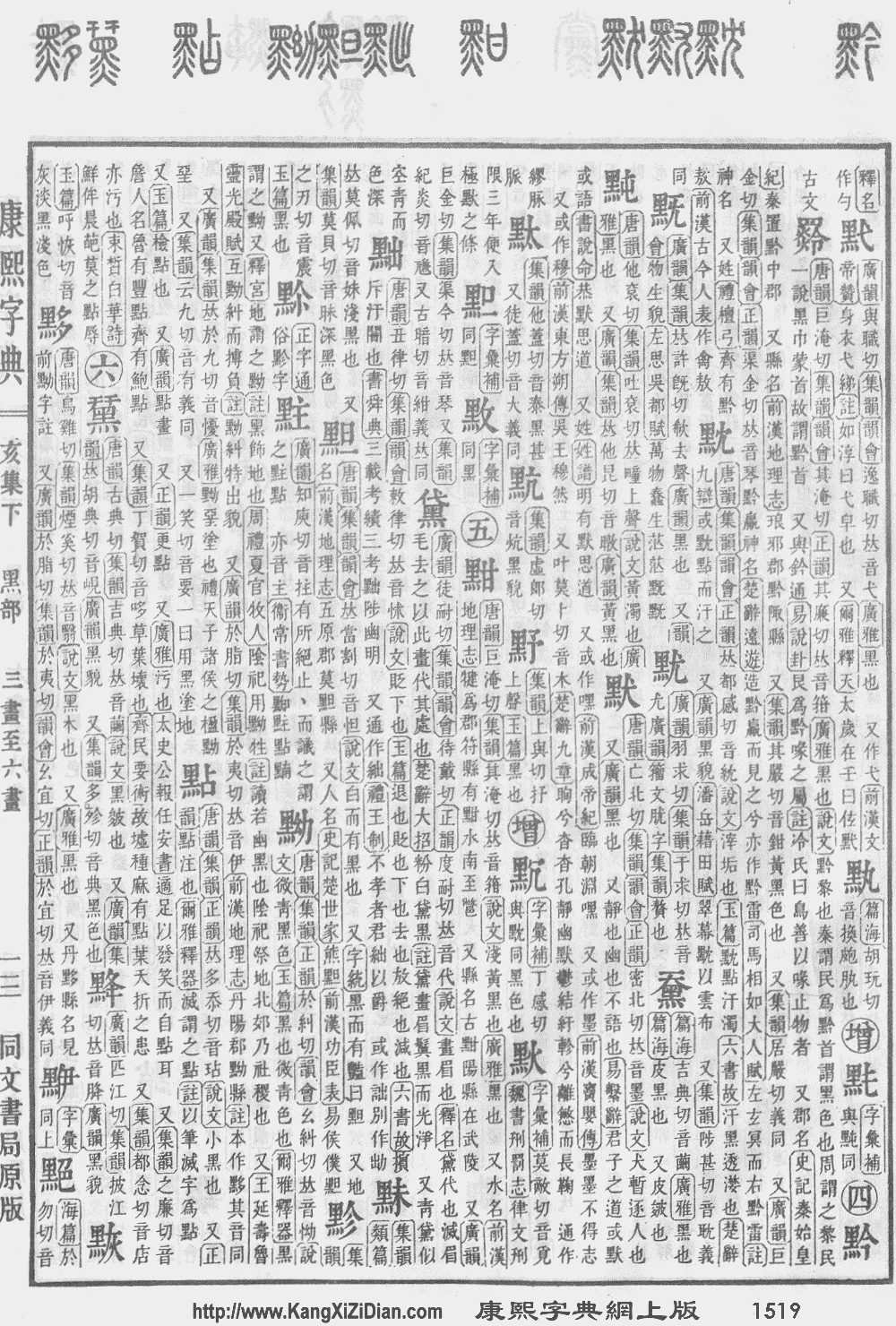
- Kangxi Dictionary: page 1519, character 28
- Dai Kanwa Jiten: character 48083
- Dae Jaweon: page 2053, character 16
- Hanyu Da Zidian (first edition): volume 7, page 4745, character 11
- Unihan data for U+9EDE
Chinese
| trad. | 點 | |
|---|---|---|
| simp. | 点 | |
| 2nd round simp. | ⿱占一 | |
| alternative forms | 㸃 奌 | |
Glyph origin
| Historical forms of the character 點 |
|---|
| Shuowen Jiezi (compiled in Han) |
| Small seal script |
 |
| Old Chinese | |
|---|---|
| 頕 | *taːm |
| 煔 | *ɦlaːm, *hljems, *hl'eːms |
| 炶 | *ɦlaːm |
| 詀 | *rteːm, *rdeːms, *teːm, *tʰjeb |
| 站 | *rteːms |
| 檆 | *sreːm |
| 黏 | *nem |
| 粘 | *nem |
| 枮 | *slem, *ʔl'ɯm |
| 霑 | *tem |
| 沾 | *tem, *teːms, *tʰeːm |
| 覘 | *tems, *tʰem |
| 鉆 | *tʰem, *ɡrem, *tʰeːb |
| 占 | *ʔljem, *tjems |
| 颭 | *tjemʔ |
| 佔 | *tjems, *teːm |
| 苫 | *hljem, *hljems |
| 痁 | *hljem, *teːms |
| 蛅 | *njem |
| 阽 | *lem |
| 敁 | *teːm |
| 掂 | *tiːm |
| 點 | *teːmʔ |
| 玷 | *teːmʔ, *teːms |
| 店 | *tiːms |
| 坫 | *tiːms, *tim |
| 黇 | *tʰeːm |
| 扂 | *deːmʔ |
| 拈 | *neːm |
| 鮎 | *neːm |
| 砧 | *ʔl'ɯm |
| 笘 | *teːb |
| 跕 | *teːb, *tʰeːb |
| 貼 | *tʰeːb |
| 帖 | *tʰeːb |
| 怗 | *tʰeːb |
| 呫 | *tʰeːb |
Phono-semantic compound (形聲/形声, OC *teːmʔ) : semantic 黑 (“black”) + phonetic 占 (OC *ʔljem, *tjems) – black dots.
Etymology 1
(This etymology is missing or incomplete. Please add to it, or discuss it at the Etymology scriptorium.)
Pronunciation
Definitions
點
- dot; spot; speck
- place; point; spot
- point; aspect
- o'clock
- time
- (mathematics) point
- (mathematics) decimal point
- percent; percentage point
- drop
- (Chinese calligraphy) a dot stroke (㇔)
- to nominate; to mention (one's name)
- to count
- to choose; to select; to order (food)
- to nod
- to point
- to tap; to touch
- to click
- See also: 點擊
- to light; to ignite
- a little; a bit; some
- (Cantonese) to dip in (sauce)
- (Cantonese) to trick; to misguide
- (Cantonese) to command
- (Hong Kong Cantonese, neologism) extreme (Classifier: 個/个 c)
Usage notes
點/点 (diǎn) is often used for "o'clock", following the numbered hour: e.g. "three o'clock" is 三點/三点 (sāndiǎn). 點鐘/点钟 (diǎnzhōng) would be used in the expression "1 o'clock" or "2 o'clock", in order to avoid confusion between 一點/一点 (yīdiǎn) (meaning: "a bit") and 一點/一点 (yīdiǎn) (meaning: "1 o'clock"). When spoken out, 一點/一点 (yīdiǎn) (meaning: "1 o'clock") is usually pronounced yī diǎn, without the tone sandhi, while 一點/一点 (yīdiǎn) (meaning: "a bit") is pronounced yì diǎn, following the sandhi rule.
When followed by the minutes, 點/点 (diǎn) is used instead of 點鐘/点钟 (diǎnzhōng) as in 十二點三十分. In formal writing (but not in speech), 時/时 (shí) is used to denote hours, e.g. 十二時三十分.
Synonyms
| Variety | Location | Words |
|---|---|---|
| Formal (Written Standard Chinese) | 蘸1 | |
| Mandarin | Wanrong | 蘸1 |
| Xi'an | 蘸1 | |
| Nanjing | 蘸1 | |
| Singapore | 點 | |
| Cantonese | Guangzhou | 蘸2, 點 |
| Hong Kong | 蘸2, 點 | |
| Taishan | 蘸3, 點 | |
| Kaiping (Chikan) | 點 | |
| Gan | Nanchang | 蘸1 |
| Lichuan | 蘸1 | |
| Hakka | Meixian | 蘸1 |
| Miaoli (N. Sixian) | 蘸1, 搵 | |
| Pingtung (Neipu; S. Sixian) | 蘸1, 搵 | |
| Hsinchu County (Zhudong; Hailu) | 蘸1, 搵 | |
| Taichung (Dongshi; Dabu) | 蘸1, 搵 | |
| Hsinchu County (Qionglin; Raoping) | 蘸1, 搵 | |
| Yunlin (Lunbei; Zhao'an) | 搵 | |
| Eastern Min | Fuzhou | 搵 |
| Southern Min | Xiamen | 搵 |
| Quanzhou | 搵 | |
| Zhangzhou | 搵 | |
| Tainan | 搵, 滒 | |
| Penang (Hokkien) | 搵 | |
| Singapore (Hokkien) | 搵 | |
| Manila (Hokkien) | 搵 | |
| Chaozhou | 搵 | |
| Shantou | 搵 | |
| Leizhou | 搵 | |
| Haikou | 搵 | |
| Wu | Shanghai | 蘸1 |
| Shanghai (Chongming) | 蘸1 | |
| Ningbo | 搵, 蘸1 | |
Coordinate terms
Compounds
- 一丁點/一丁点 (yīdīngdiǎn)
- 一班半點/一班半点
- 一點/一点
- 一點一滴/一点一滴 (yīdiǎnyīdī)
- 一點兒/一点儿 (yīdiǎnr)
- 一點靈犀/一点灵犀
- 一點點/一点点 (yīdiǎndiǎn)
- 丁點兒/丁点儿
- 三相點/三相点 (sānxiàngdiǎn)
- 三角點/三角点 (sānjiǎodiǎn)
- 三點三/三点三
- 三點式/三点式 (sāndiǎnshì)
- 三點水/三点水 (sāndiǎnshuǐ)
- 三點水兒/三点水儿
- 三點裝/三点装 (sāndiǎnzhuāng)
- 不丁點/不丁点
- 不打點/不打点
- 不點兒/不点儿
- 中心點/中心点
- 中點/中点 (zhōngdiǎn)
- 亂點鴛鴦/乱点鸳鸯
- 五更三點/五更三点
- 交叉點/交叉点 (jiāochādiǎn)
- 交點/交点 (jiāodiǎn)
- 低點/低点
- 俸點/俸点
- 優點/优点 (yōudiǎn)
- 先馳得點/先驰得点
- 兩極觀點/两极观点
- 兩點水/两点水 (liǎngdiǎnshuǐ)
- 八點檔/八点档
- 共同點/共同点 (gòngtóngdiǎn)
- 共線點/共线点
- 共點線/共点线
- 冰點/冰点 (bīngdiǎn)
- 凝固點/凝固点
- 凝視點/凝视点
- 出發點/出发点 (chūfādiǎn)
- 出納點鈔專用紙/出纳点钞专用纸
- 出點子/出点子
- 分至點/分至点
- 切點/切点 (qiēdiǎn)
- 制高點/制高点 (zhìgāodiǎn)
- 到點/到点
- 力點/力点
- 加點/加点 (jiādiǎn)
- 十三點/十三点 (shísāndiǎn)
- 半點/半点 (bàndiǎn)
- 原點/原点 (yuándiǎn)
- 可圈可點/可圈可点 (kěquānkědiǎn)
- 句點/句点 (jùdiǎn)
- 嗤點/嗤点
- 噶個點兒/噶个点儿
- 四點底/四点底 (sìdiǎndǐ)
- 圈點/圈点 (quāndiǎn)
- 地點/地点 (dìdiǎn)
- 基準點/基准点 (jīzhǔndiǎn)
- 基點/基点 (jīdiǎn)
- 夏至點/夏至点
- 天文點/天文点 (Tiānwéndiǎn)
- 女性觀點/女性观点
- 妝點/妆点 (zhuāngdiǎn)
- 定點/定点 (dìngdiǎn)
- 密點地圖/密点地图
- 小不點/小不点 (xiǎobùdiǎn)
- 小不點兒/小不点儿
- 小數點/小数点 (xiǎoshùdiǎn)
- 差一點兒/差一点儿
- 差點兒/差点儿 (chàdiǎnr)
- 差點沒/差点没 (chàdiǎn méi)
- 引火點/引火点
- 弱點/弱点 (ruòdiǎn)
- 彈著點/弹著点
- 快點/快点 (kuàidiǎn)
- 慢點兒/慢点儿
- 應名點卯/应名点卯
- 打點/打点
- 打點兒/打点儿
- 打點滴/打点滴 (dǎ diǎndī)
- 打點行裝/打点行装
- 抗力點/抗力点
- 扯平點/扯平点
- 批點/批点
- 抽點/抽点
- 指指點點/指指点点 (zhǐzhǐdiǎndiǎn)
- 指點/指点 (zhǐdiǎn)
- 指點迷津/指点迷津 (zhǐdiǎnmíjīn)
- 接點/接点 (jiēdiǎn)
- 撇點/撇点 (piědiǎn)
- 據點/据点 (jùdiǎn)
- 支點/支点 (zhīdiǎn)
- 收軍點將/收军点将
- 改點/改点
- 敲點/敲点
- 整點/整点 (zhěngdiǎn)
- 文不加點/文不加点 (wénbùjiādiǎn)
- 文無加點/文无加点
- 斑斑點點/斑斑点点
- 斑點/斑点 (bāndiǎn)
- 早點/早点
- 早點兒/早点儿 (zǎo diǎnr)
- 春分點/春分点
- 星星點點/星星点点 (xīngxīngdiǎndiǎn)
- 星點彈塗/星点弹涂
- 星點河魨/星点河鲀
- 晚點/晚点
- 景點/景点 (jǐngdiǎn)
- 更點/更点
- 會合點/会合点
- 有點/有点 (yǒudiǎn)
- 有點兒/有点儿 (yǒudiǎnr)
- 有點影兒/有点影儿
- 有點頭緒/有点头绪
- 朱衣點頭/朱衣点头
- 果點/果点
- 查點/查点 (chádiǎn)
- 校點/校点 (jiàodiǎn)
- 極點/极点 (jídiǎn)
- 標點/标点 (biāodiǎn)
- 標點符號/标点符号 (biāodiǎn fúhào)
- 檢點/检点 (jiǎndiǎn)
- 欽點/钦点 (qīndiǎn)
- 止血點/止血点
- 正點/正点 (zhèngdiǎn)
- 正點背畫/正点背画
- 歪點子/歪点子
- 汙點/污点 (wūdiǎn)
- 波磔點畫/波磔点画
- 治點/治点
- 沸點/沸点 (fèidiǎn)
- 泥點兒/泥点儿
- 油點兒/油点儿
- 油點草/油点草
- 浮點/浮点
- 清點/清点 (qīngdiǎn)
- 淚點/泪点 (lèidiǎn)
- 準點/准点 (zhǔndiǎn)
- 火力點/火力点
- 焦點/焦点 (jiāodiǎn)
- 煎點/煎点
- 煽風點火/煽风点火 (shānfēngdiǎnhuǒ)
- 熔點/熔点 (róngdiǎn)
- 熱點/热点 (rèdiǎn)
- 燃點/燃点 (rándiǎn)
- 爪甲點金/爪甲点金
- 特點/特点 (tèdiǎn)
- 甜點/甜点 (tiándiǎn)
- 生長點/生长点
- 畫龍點睛/画龙点睛 (huàlóngdiǎnjīng)
- 疑點/疑点 (yídiǎn)
- 痛點/痛点 (tòngdiǎn)
- 瘢點/瘢点
- 發射點/发射点
- 發火點/发火点
- 白點病/白点病
- 百分點/百分点 (bǎifēndiǎn)
- 盤點/盘点 (pándiǎn)
- 目似點漆/目似点漆
- 盲點/盲点 (mángdiǎn)
- 眼若點漆/眼若点漆
- 眼點/眼点 (yǎndiǎn)
- 瞎子點燈/瞎子点灯
- 瞎點子/瞎点子
- 石點頭/石点头
- 秋分點/秋分点 (qiūfēndiǎn)
- 空白點/空白点 (kòngbáidiǎn)
- 立腳點/立脚点 (lìjiǎodiǎn)
- 立足點/立足点 (lìzúdiǎn)
- 節點/节点 (jiédiǎn)
- 簡點/简点
- 糕點/糕点 (gāodiǎn)
- 終點/终点 (zhōngdiǎn)
- 終點站/终点站
- 網路節點/网路节点
- 網點/网点
- 缺點/缺点 (quēdiǎn)
- 胸無點墨/胸无点墨 (xiōngwúdiǎnmò)
- 腳不點地/脚不点地
- 臨界點/临界点 (línjièdiǎn)
- 花點子/花点子
- 茶點/茶点 (chádiǎn)
- 著火點/著火点
- 著眼點/着眼点 (zhuóyǎndiǎn)
- 落筆點蠅/落笔点蝇
- 落腳點/落脚点 (luòjiǎodiǎn)
- 藍點頦/蓝点颏
- 蜻蜓點水/蜻蜓点水
- 融解點/融解点
- 蠅糞點玉/蝇粪点玉
- 裝點/装点 (zhuāngdiǎn)
- 裝點門面/装点门面
- 西點/西点 (xīdiǎn)
- 西點軍校/西点军校 (Xīdiǎn Jūnxiào)
- 要點/要点 (yàodiǎn)
- 觀點/观点 (guāndiǎn)
- 言不應點/言不应点
- 計點/计点
- 記點/记点
- 試點/试点 (shìdiǎn)
- 誤點/误点 (wùdiǎn)
- 論點/论点 (lùndiǎn)
- 質點/质点 (zhìdiǎn)
- 賣點/卖点 (màidiǎn)
- 起點/起点 (qǐdiǎn)
- 軌道交點/轨道交点
- 轉折點/转折点 (zhuǎnzhédiǎn)
- 轉捩點/转捩点 (zhuǎnlièdiǎn)
- 近日點/近日点 (jìnrìdiǎn)
- 這麼點兒/这么点儿 (zhèmediǎnr)
- 逗點/逗点 (dòudiǎn)
- 道德制高點/道德制高点 (dàodé zhìgāodiǎn)
- 那麼點兒/那么点儿
- 重點/重点
- 重點學校/重点学校 (zhòngdiǎn xuéxiào)
- 重點戶/重点户
- 重點採訪/重点采访
- 鎔點/镕点
- 鐘點/钟点 (zhōngdiǎn)
- 鐘點工/钟点工 (zhōngdiǎngōng)
- 鐘點費/钟点费
- 鑠金點玉/铄金点玉
- 開光點眼/开光点眼
- 附點音符/附点音符 (fùdiǎnyīnfú)
- 降交點/降交点
- 難點/难点 (nándiǎn)
- 雨點/雨点 (yǔdiǎn)
- 零售點/零售点
- 零缺點/零缺点
- 零點/零点 (língdiǎn)
- 露點/露点
- 青蠅點素/青蝇点素
- 韓信點兵/韩信点兵
- 頂點/顶点 (dǐngdiǎn)
- 頑石點頭/顽石点头
- 飛花點翠/飞花点翠
- 飯點/饭点 (fàndiǎn)
- 飽和點/饱和点
- 餐點/餐点 (cāndiǎn)
- 餿點子/馊点子
- 鬼點子/鬼点子
- 麻流點/麻流点
- 麻點/麻点
- 黑點/黑点 (hēidiǎn)
- 點一點二/点一点二
- 點主/点主
- 點亮/点亮 (diǎnliàng)
- 點兵/点兵 (diǎnbīng)
- 點兵派將/点兵派将
- 點出/点出 (diǎnchū)
- 點刺/点刺
- 點券/点券
- 點到為止/点到为止 (diǎndàowéizhǐ)
- 點劄/点劄
- 點勘/点勘
- 點化/点化
- 點卯/点卯 (diǎnmǎo)
- 點召/点召
- 點召令/点召令
- 點名/点名 (diǎnmíng)
- 點名冊/点名册
- 點唱/点唱 (diǎnchàng)
- 點唱機/点唱机
- 點土成金/点土成金
- 點垛/点垛
- 點子/点子 (diǎnzi)
- 點字/点字 (diǎnzì)
- 點定/点定
- 點將/点将
- 點將錄/点将录 (diǎnjiànglù)
- 點對/点对
- 點差/点差
- 點心/点心 (diǎnxīn)
- 點戲/点戏
- 點手/点手
- 點扎
- 點把/点把
- 點拗/点拗
- 點指畫字/点指画字
- 點描畫法/点描画法
- 點播/点播 (diǎnbō)
- 點撥/点拨 (diǎnbō)
- 點擊/点击 (diǎnjī)
- 點收/点收 (diǎnshōu)
- 點景/点景
- 點札/点札
- 點染/点染
- 點染雲煙/点染云烟
- 點榜/点榜
- 點檢/点检 (diǎnjiǎn)
- 點檢形骸/点检形骸
- 點檢所/点检所
- 點歌/点歌 (diǎngē)
- 點水/点水
- 點水不漏/点水不漏
- 點汙/点污
- 點湯/点汤
- 點滴/点滴 (diǎndī)
- 點漆/点漆
- 點火/点火 (diǎnhuǒ)
- 點灶燈/点灶灯
- 點照/点照
- 點煙器/点烟器
- 點燃/点燃 (diǎnrán)
- 點燈/点灯 (diǎndēng)
- 點痣/点痣
- 點發/点发
- 點眼/点眼 (diǎnyǎn)
- 點睛/点睛 (diǎnjīng)
- 點睛之筆/点睛之笔 (diǎnjīngzhībǐ)
- 點石成金/点石成金 (diǎnshíchéngjīn)
- 點砌/点砌
- 點破/点破 (diǎnpò)
- 點票/点票 (diǎnpiào)
- 點視/点视
- 點穴/点穴 (diǎnxué)
- 點竄/点窜
- 點索/点索
- 點紙/点纸
- 點紙畫字/点纸画字
- 點紙節/点纸节
- 點絳唇/点绛唇
- 點綴/点缀 (diǎnzhuì)
- 點繡女/点绣女
- 點翠/点翠 (diǎncuì)
- 點翳/点翳
- 點脣/点唇
- 點腳/点脚
- 點花牌/点花牌
- 點花茶/点花茶
- 點苔/点苔
- 點茶/点茶
- 點菜/点菜 (diǎncài)
- 點著/点著
- 點號/点号 (diǎnhào)
- 點行/点行
- 點補/点补
- 點解/点解 (dim2 gaai2)
- 點評/点评 (diǎnpíng)
- 點軍/点军 (Diǎnjūn)
- 點選/点选
- 點酥/点酥
- 點醒/点醒
- 點金成鐵/点金成铁
- 點鈔/点钞 (diǎnchāo)
- 點鈔券/点钞券
- 點鈔機/点钞机
- 點鋼槍/点钢枪
- 點鋼鍬/点钢锹
- 點鐘/点钟 (diǎnzhōng)
- 點鐵成金/点铁成金
- 點閘/点闸
- 點閱/点阅 (diǎnyuè)
- 點閱召集/点阅召集
- 點頭/点头 (diǎntóu)
- 點頭之交/点头之交 (diǎntóuzhījiāo)
- 點頭哈腰/点头哈腰 (diǎntóuhāyāo)
- 點頭幌腦/点头幌脑
- 點頭會意/点头会意
- 點頭稱善/点头称善
- 點頭答應/点头答应
- 點題/点题
- 點額/点额
- 點飢/点饥 (diǎnjī)
- 點首/点首
- 點香/点香 (diǎnxiāng)
- 點驗/点验
- 點鬼之談/点鬼之谈
- 點鬼簿/点鬼簿
- 點點/点点 (diǎndiǎn)
- 點點搠搠/点点搠搠
- 點點滴滴/点点滴滴 (diǎndiǎndīdī)
- 點點點/点点点 (diǎndiǎndiǎn)
- 鼓點/鼓点 (gǔdiǎn)
- 鼓點子/鼓点子
- 齊煙九點/齐烟九点
- 龍門點額/龙门点额
Etymology 2
Fusion of 底物 (MC tejX mjut), literally “what thing” (Guo, 2003).
Often related to 怎 (zam2) due to similar syllable structure.
Pronunciation
Definitions
點
- (Cantonese) how
- 點都唔肯/点都唔肯 [Cantonese] ― dim2 dou1 m4 hang2 [Jyutping] ― unwilling, no matter what
- 你想點呀?/你想点呀? [Cantonese] ― nei5 soeng2 dim2 aa3? [Jyutping] ― What do you want?
- 全部要加慘到極,陀累全家,靠份糧點夠食,卒之查到豉油都冇滴 [Cantonese, trad.]
- From: 許冠傑, 加價熱潮
- cyun4 bou6 jiu3 gaa1 caam2 dou3 gik6, to4 leoi4 cyun4 gaa1, kaau3 fan6 loeng4 dim2 gau3 sik6, zeot1 zi1 caa4 dou3-2 si6 jau4 dou1 mou5 dik1 [Jyutping]
- All of the prices have to going up; it's extremely miserable. I'm burdening my whole family. How is there enough to live off my salary? Finally, I found out there isn't even a drop of soy sauce.
全部要加惨到极,陀累全家,靠份粮点够食,卒之查到豉油都冇滴 [Cantonese, simp.]
Synonyms
Compounds
Korean
Etymology
From Middle Chinese 點 (MC temX).
Compounds
- 초점 (焦點, chojeom, “focal point”)
- 시점 (時點, sijeom, “point (in time)”)
- 점검 (點檢, jeomgeom, “inspection”)
- 허점 (虛點, heojeom, “loophole”)
- 점수 (點數, jeomsu, “point; score”)
- 관점 (觀點, gwanjeom, “point of view”)
- 점심 (點心, jeomsim, “lunch”)
- 채점 (採點, chaejeom, “grading”)
- 거점 (據點, geojeom, “stronghold; foothold”)
- 장점 (長點, jangjeom, “advantage”)
- 단점 (短點, danjeom, “disadvantage”)
- 결점 (缺點, gyeoljeom, “flaw; defect”)
- 원점 (原點, wonjeom, “origin”)
- 약점 (弱點, yakjeom, “weakness, weak point”)
- 강점 (强點/強點, gangjeom, “strong point”)
- 만점 (滿點, manjeom, “perfect score”)
- 정점 (頂點, jeongjeom, “peak”)
- 시점 (視點, sijeom, “perspective”)
- 점화 (點火, jeomhwa, “ignition”)
- 흠점 (欠點, heumjeom, “flaw”)
- 시점 (始點, sijeom, “starting point”)
References
- 국제퇴계학회 대구경북지부 (國際退溪學會 大邱慶北支部) (2007). Digital Hanja Dictionary, 전자사전/電子字典.
- Supreme Court of the Republic of Korea (대한민국 대법원, Daehanmin'guk Daebeobwon) (2018). Table of hanja for personal names (인명용 한자표 / 人名用漢字表, Inmyeong-yong hanja-pyo), page 37.