舞
| ||||||||
Translingual
Han character
舞 (Kangxi radical 136, 舛+8, 14 strokes in Chinese, 15 strokes in Japanese, cangjie input 人廿弓戈手 (OTNIQ), four-corner 80251, composition ⿱⿳𠂉卌一舛)
References
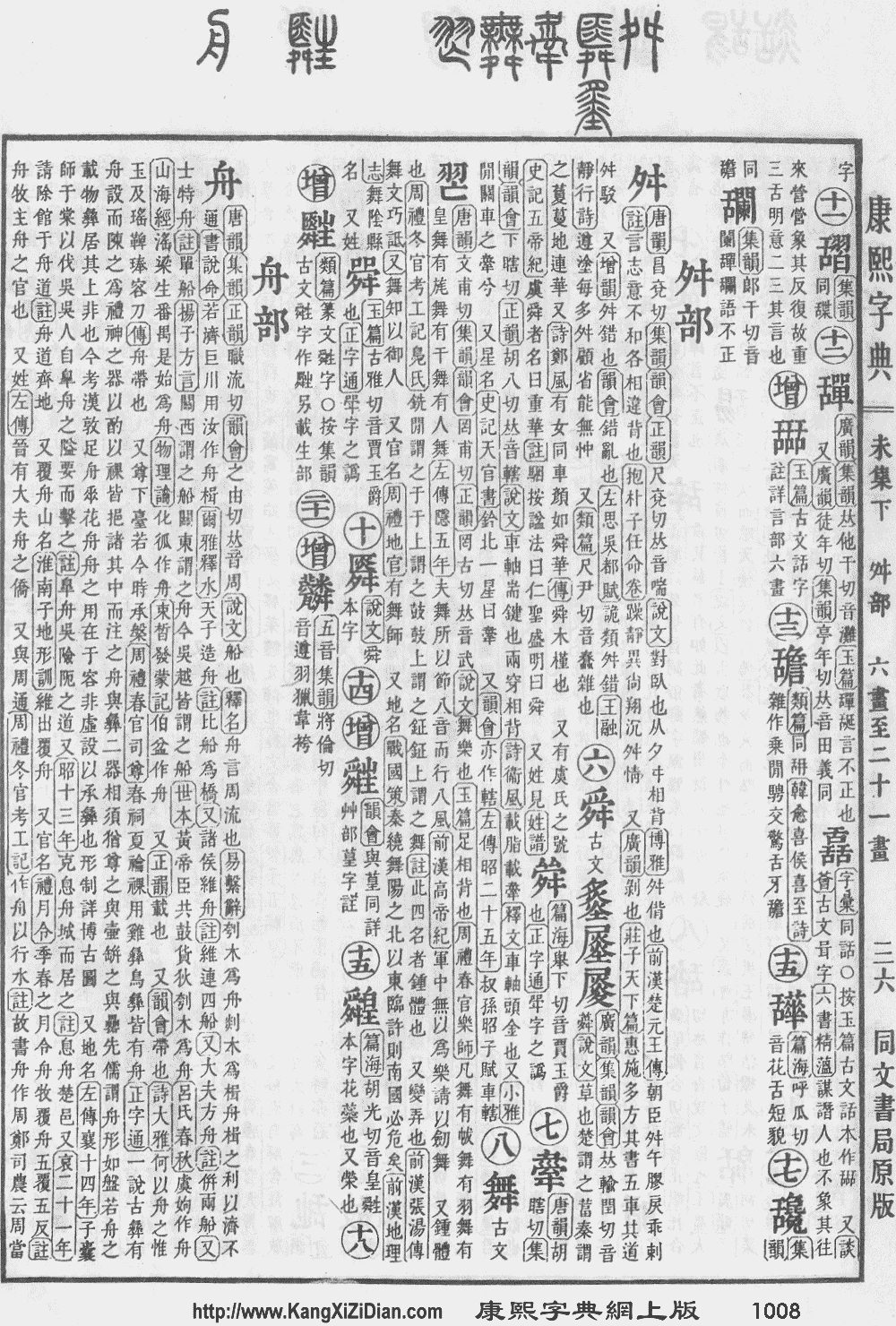
- Kangxi Dictionary: page 1008, character 16
- Dai Kanwa Jiten: character 30342
- Dae Jaweon: page 1465, character 16
- Hanyu Da Zidian (first edition): volume 2, page 865, character 10
- Unihan data for U+821E
Chinese
| trad. | 舞 | |
|---|---|---|
| simp. # | 舞 | |
| 2nd round simp. | 午 | |
| alternative forms | ||
Glyph origin
| Historical forms of the character 舞 | |||
|---|---|---|---|
| Shang | Western Zhou | Shuowen Jiezi (compiled in Han) | Liushutong (compiled in Ming) |
| Oracle bone script | Bronze inscriptions | Small seal script | Transcribed ancient scripts |
 |
 |
 |
 |
Characters in the same phonetic series (無) (Zhengzhang, 2003)
Phono-semantic compound (形聲/形声, OC *maʔ) : phonetic 無 (OC *ma) + semantic 舛 (“steps”). A specific character for the dance sense of 無/无. See 無/无 for more.
Etymology
Perhaps related to Tibetan བྲོ (bro, “dance (noun)”), or related to 巫 (OC *ma, “shaman”) (Schuessler, 2007).
Pronunciation
Definitions
舞
- to dance (move rhythmically)
- 孔子謂季氏:「八佾舞於庭,是可忍也,孰不可忍也?」 [Classical Chinese, trad.]
- From: The Analects of Confucius, c. 475 – 221 BCE, translated based on James Legge's version
- Kǒngzǐ wèi Jì shì: “Bāyì wǔ yú tíng, shì kě rěn yě, shú bùkě rěn yě?” [Pinyin]
- Confucius said of the head of the Ji family, who had eight rows of pantomimes in his area, "If he can bear to do this, what may he not bear to do?"
孔子谓季氏:「八佾舞于庭,是可忍也,孰不可忍也?」 [Classical Chinese, simp.]
- dance (performance art); dancing (Classifier: 個/个 m; 支 m)
- to dance with something in one's hands
- to wield; to brandish; to shake
- (literary or in compounds) to fly; to flutter
- (literary or in compounds) to play with
- (Cantonese, Hakka, Hokkien) to mess with; to play with; to tease
- (Cantonese, Hokkien) to fiddle with; to be busy with; to handle; to operate
- a surname: Wu
Compounds
- 不舞之鶴/不舞之鹤
- 且歌且舞 (qiěgēqiěwǔ)
- 交誼舞/交谊舞 (jiāoyìwǔ)
- 交際舞/交际舞 (jiāojìwǔ)
- 伯歌季舞
- 伴舞 (bànwǔ)
- 佾舞 (yìwǔ)
- 健力舞
- 健舞
- 儺舞/傩舞
- 公莫舞
- 共舞 (gòngwǔ)
- 冰舞 (bīngwǔ)
- 凌波舞
- 前歌後舞/前歌后舞
- 劍舞/剑舞
- 化裝舞會/化装舞会
- 原舞者
- 古典舞蹈
- 呼拉舞
- 喜躍抃舞/喜跃抃舞
- 國際舞臺/国际舞台
- 圓舞曲/圆舞曲 (yuánwǔqǔ)
- 土風舞/土风舞
- 地下舞廳/地下舞厅
- 大會舞/大会舞
- 大腿舞
- 天魔舞
- 奇舞
- 妙舞 (miàowǔ)
- 妙舞清歌
- 婆娑起舞
- 婆羅門舞/婆罗门舞
- 孔雀舞 (kǒngquèwǔ)
- 小步舞曲
- 山地舞
- 山雞舞鏡/山鸡舞镜 (shānjīwǔjìng)
- 巾舞
- 帗舞
- 康康舞 (kāngkāngwǔ)
- 廣場舞/广场舞 (guǎngchǎngwǔ)
- 張牙舞爪/张牙舞爪 (zhāngyáwǔzhǎo)
- 彩帶舞/彩带舞
- 徇私舞弊
- 扇舞
- 手舞足蹈 (shǒuwǔzúdǎo)
- 扎手舞腳
- 打竹舞
- 扭扭舞
- 抃舞 (biànwǔ)
- 抃風舞潤/抃风舞润
- 掌上舞
- 掀舞
- 揮舞/挥舞 (huīwǔ)
- 插舞
- 支手舞腳/支手舞脚
- 方塊舞/方块舞 (fāngkuàiwǔ)
- 方舞
- 旱船舞
- 有氧舞蹈
- 札手舞腳/札手舞脚
- 析律舞文
- 杯盤舞/杯盘舞
- 查手舞腳/查手舞脚
- 標準舞/标准舞
- 樂舞/乐舞 (yuèwǔ)
- 歌樓舞館/歌楼舞馆
- 歌臺舞榭/歌台舞榭 (gētáiwǔxiè)
- 歌舞 (gēwǔ)
- 歌舞伎 (gēwǔjì)
- 歌舞作樂/歌舞作乐
- 歌舞劇/歌舞剧 (gēwǔjù)
- 歌舞團/歌舞团
- 歌舞場/歌舞场
- 歌舞昇平/歌舞升平 (gēwǔshēngpíng)
- 歌舞片
- 歌鶯舞燕/歌莺舞燕
- 歡忻鼓舞/欢忻鼓舞
- 歡欣鼓舞/欢欣鼓舞 (huānxīngǔwǔ)
- 民族舞
- 民間歌舞/民间歌舞
- 波爾卡舞/波尔卡舞
- 波蘭舞曲/波兰舞曲
- 清歌妙舞
- 漫天飛舞/漫天飞舞
- 燕舞鶯啼/燕舞莺啼
- 營私舞弊/营私舞弊 (yíngsīwǔbì)
- 爵士舞 (juéshìwǔ)
- 狐步舞
- 獅舞/狮舞
- 現代舞/现代舞 (xiàndàiwǔ)
- 百獸率舞/百兽率舞
- 皇舞
- 盤舞/盘舞
- 眉飛色舞/眉飞色舞 (méifēisèwǔ)
- 社交舞
- 神飛色舞/神飞色舞
- 竹竿舞
- 群舞 (qúnwǔ)
- 群魔亂舞/群魔乱舞 (qúnmóluànwǔ)
- 翔舞
- 翩翩起舞
- 聞雞起舞/闻鸡起舞 (wénjīqǐwǔ)
- 胡旋舞 (húxuánwǔ)
- 能歌擅舞
- 舞伴 (wǔbàn)
- 舞伴兒/舞伴儿
- 舞刀 (wǔdāo)
- 舞刀躍馬/舞刀跃马
- 舞判
- 舞劇/舞剧 (wǔjù)
- 舞動/舞动 (wǔdòng)
- 舞勺
- 舞團/舞团
- 舞場/舞场 (wǔchǎng)
- 舞壇/舞坛
- 舞女 (wǔnǚ)
- 舞姿 (wǔzī)
- 舞孃/舞娘 (wǔniáng)
- 舞客
- 舞廳/舞厅 (wǔtīng)
- 舞弄 (wǔnòng)
- 舞弊 (wǔbì)
- 舞態生風/舞态生风
- 舞技
- 舞文巧法
- 舞文巧詆/舞文巧诋
- 舞文弄法
- 舞文弄墨 (wǔwénnòngmò)
- 舞文枉法
- 舞曲 (wǔqǔ)
- 舞會/舞会 (wǔhuì)
- 舞林高手
- 舞棍
- 舞榭歌台 (wǔxiègētái)
- 舞榭歌樓/舞榭歌楼
- 舞榭歌臺/舞榭歌台 (wǔxiègētái)
- 舞樂/舞乐
- 舞步 (wǔbù)
- 舞池 (wǔchí)
- 舞燕歌鶯/舞燕歌莺
- 舞爪張牙/舞爪张牙
- 舞獅/舞狮 (wǔshī)
- 舞筆弄文/舞笔弄文
- 舞美
- 舞者 (wǔzhě)
- 舞臺/舞台 (wǔtái)
- 舞臺劇/舞台剧 (wǔtáijù)
- 舞臺秀/舞台秀
- 舞臺藝術/舞台艺术
- 舞藝/舞艺 (wǔyì)
- 舞衫歌扇
- 舞譜/舞谱 (wǔpǔ)
- 舞蹈 (wǔdǎo)
- 舞蹈家 (wǔdǎojiā)
- 舞蹈治療/舞蹈治疗 (wǔdǎo zhìliáo)
- 舞蹈病
- 舞蹈症 (wǔdǎozhèng)
- 舞迷
- 舞雩 (wǔyú)
- 舞馬之災/舞马之灾
- 舞鸞歌鳳/舞鸾歌凤
- 舞龍/舞龙 (wǔlóng)
- 色飛眉舞/色飞眉舞
- 花棒舞
- 花棍舞
- 芭蕾舞
- 茶舞
- 草裙舞 (cǎoqúnwǔ)
- 街舞 (jiēwǔ)
- 西陵歌舞
- 謾舞/谩舞
- 象舞
- 貪汙舞弊/贪污舞弊
- 起舞 (qǐwǔ)
- 足蹈手舞
- 跳舞 (tiàowǔ)
- 跨鼓舞
- 踢踏舞 (tītàwǔ)
- 踢躂舞/踢跶舞
- 蹈舞
- 載歌且舞/载歌且舞
- 載歌載舞/载歌载舞 (zàigēzàiwǔ)
- 輕歌慢舞/轻歌慢舞
- 輕歌曼舞/轻歌曼舞 (qīnggēmànwǔ)
- 連廂舞/连厢舞
- 邀舞
- 邊疆舞/边疆舞
- 酣歌恆舞/酣歌恒舞
- 醉舞狂歌
- 金錢棒舞/金钱棒舞
- 長袖善舞/长袖善舞 (chángxiùshànwǔ)
- 開放舞臺/开放舞台
- 隊舞/队舞
- 雲門舞集/云门舞集
- 霹靂舞/霹雳舞 (pīlìwǔ)
- 鞞舞
- 項莊舞劍/项庄舞剑
- 飄舞/飘舞 (piāowǔ)
- 飆舞/飙舞
- 飛舞/飞舞 (fēiwǔ)
- 馬舞之災/马舞之灾
- 鳳舞龍飛/凤舞龙飞
- 鵲笑鳩舞/鹊笑鸠舞
- 鶯歌燕舞/莺歌燕舞 (yīnggēyànwǔ)
- 鶴舞/鹤舞
- 鼓舞 (gǔwǔ)
- 鼓舞歡欣/鼓舞欢欣
- 龍燈舞/龙灯舞
- 龍飛鳳舞/龙飞凤舞 (lóngfēifèngwǔ)
Descendants
- → Vietnamese: múa
Japanese
| Shinjitai | 舞 |  |
| Kyūjitai [1] |
舞󠄂 舞+ 󠄂?(Hanyo-Denshi) (Moji_Joho) |
 |
| The displayed kanji may be different from the image due to your environment. See here for details. | ||
Readings
Compounds
Noun
- a type of traditional Japanese dance consisting of simple and quiet movements
References
- “舞”, in 漢字ぺディア (Kanjipedia) (in Japanese), 日本漢字能力検定協会, 2015–2024
Korean
Vietnamese
This article is issued from Wiktionary. The text is licensed under Creative Commons - Attribution - Sharealike. Additional terms may apply for the media files.