樣
| ||||||||
Translingual
| Traditional | 樣 |
|---|---|
| Shinjitai | 様 |
| Simplified | 样 |
Han character
樣 (Kangxi radical 75, 木+11, 15 strokes, cangjie input 木廿土水 (DTGE), four-corner 48932, composition ⿰木羕)
Derived characters
- 𧁒
References
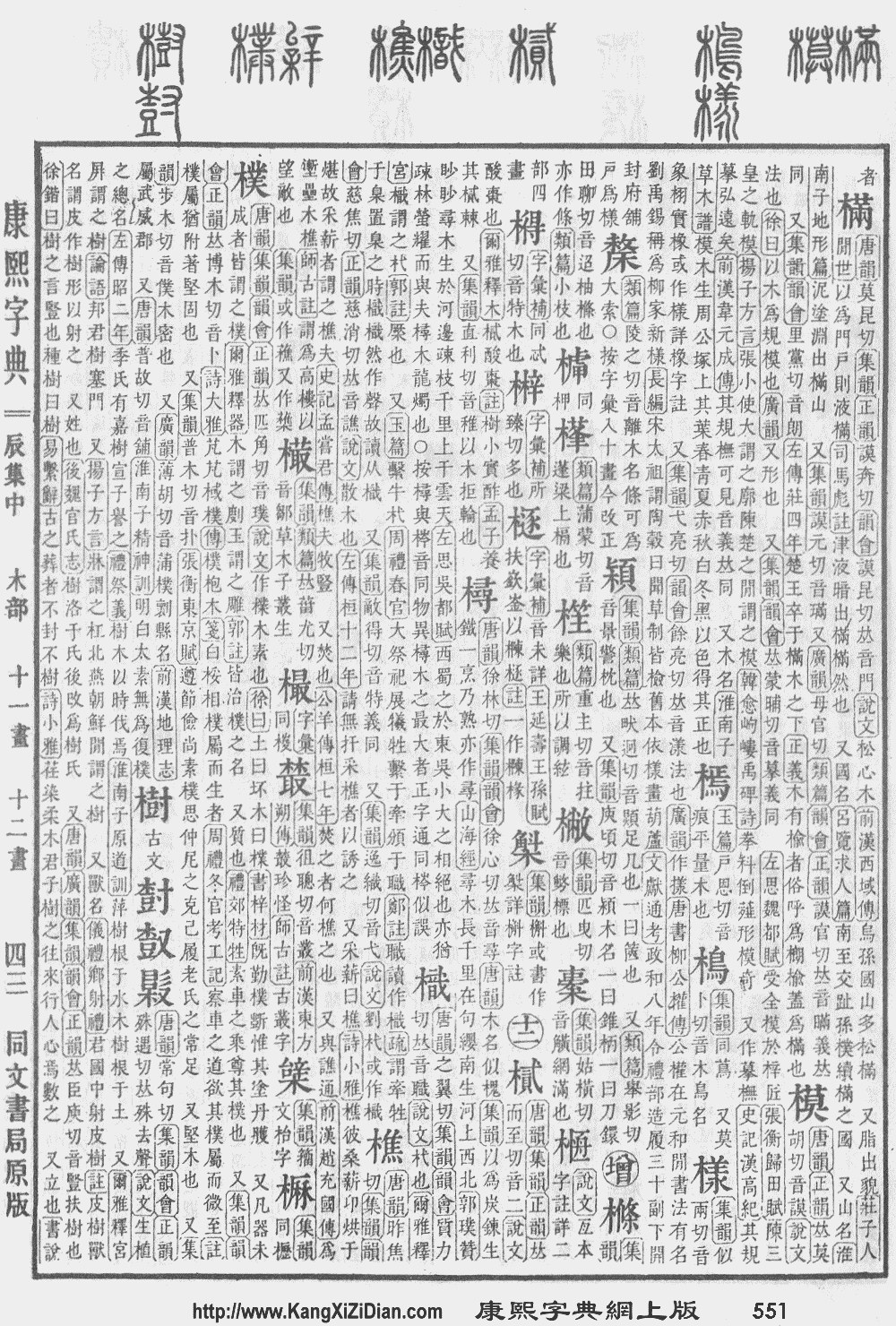
- Kangxi Dictionary: page 551, character 5
- Dai Kanwa Jiten: character 15457
- Dae Jaweon: page 939, character 6
- Hanyu Da Zidian (first edition): volume 2, page 1284, character 7
- Unihan data for U+6A23
Chinese
| trad. | 樣 | |
|---|---|---|
| simp. | 样* | |
| alternative forms | 㨾 様 𢵇 | |
Glyph origin
Characters in the same phonetic series (羊) (Zhengzhang, 2003)
Phono-semantic compound (形聲/形声, OC *laŋs) : semantic 木 (“wood”) + phonetic 羕 (OC *laŋs).
Etymology 1
Pronunciation
Definitions
樣
- appearance; form; shape
- look; expression; air
- type; kind; sort; variety; class; category
- sample; specimen; example
- (printing) proof
- manner; style; way; fashion
- Classifier for kinds or types of things.
- (Can we verify(+) this sense?) (rare) An honorific.
- 2010 May 18, 倪匡 [Ni Kuang], “配額用精光,租界期自滿”, in Apple Daily, archived from the original on 21 June 2021, 倪租界:
- 這些日子來,在此設租界,大量蔡樣讀者,想必早已怨聲載道,在此謝過。要感謝蔡樣,感謝應該感謝的所有人。
- (please add an English translation of this quotation)
- (ACG, Internet, slang) -sama
Compounds
- 一個樣兒/一个样儿
- 一樣/一样 (yīyàng)
- 一模一樣/一模一样 (yīmúyīyàng)
- 一樣米飼百樣人/一样米饲百样人
- 一色一樣/一色一样
- 上樣/上样
- 三般兩樣/三般两样
- 不一樣/不一样 (bùyīyàng)
- 不像人樣/不像人样
- 不像樣/不像样 (bùxiàngyàng)
- 不怎麼樣/不怎么样 (bùzěnmeyàng)
- 不成樣子/不成样子
- 不成模樣/不成模样
- 不是樣兒/不是样儿
- 中注模樣
- 乏樣子/乏样子
- 九經字樣/九经字样
- 人樣/人样
- 人模人樣/人模人样
- 人樣兒/人样儿
- 人樣子/人样子
- 人模狗樣/人模狗样 (rénmógǒuyàng)
- 依樣葫蘆/依样葫芦
- 俏模樣/俏模样
- 個樣/个样
- 像樣/像样 (xiàngyàng)
- 像模像樣/像模像样
- 兩樣/两样 (liǎngyàng)
- 兩樣三般/两样三般
- 出花樣/出花样
- 別樣/别样 (biéyàng)
- 十樣錦/十样锦
- 千般萬樣/千般万样
- 原樣/原样 (yuányàng)
- 取樣/取样 (qǔyàng)
- 各式各樣/各式各样 (gèshìgèyàng)
- 同樣/同样 (tóngyàng)
- 各樣/各样 (gèyàng)
- 喬模喬樣/乔模乔样
- 圖樣/图样 (túyàng)
- 多樣化/多样化 (duōyànghuà)
- 多樣性/多样性 (duōyàngxìng)
- 大樣/大样 (dàyàng)
- 大模大樣/大模大样 (dàmúdàyàng)
- 大模廝樣/大模厮样 (dàmúsīyàng)
- 天樣/天样
- 好樣兒的/好样儿的 (hǎoyàngrde)
- 好模好樣/好模好样
- 好樣子/好样子
- 妝樣/妆样
- 媚笑雜樣/媚笑杂样
- 字樣/字样 (zìyàng)
- 字樣學/字样学
- 學樣/学样 (xuéyàng)
- 官樣/官样
- 官樣文章/官样文章 (guānyàngwénzhāng)
- 宮樣/宫样 (gōngyàng)
- 小人樣/小人样
- 小樣/小样 (xiǎoyàng)
- 小模樣兒/小模样儿
- 展樣/展样
- 工作抽樣/工作抽样
- 幾樣/几样
- 底樣兒/底样儿
- 式樣/式样 (shìyàng)
- 得樣兒/得样儿
- 心口兩樣/心口两样
- 怎樣/怎样 (zěnyàng)
- 怪樣子/怪样子
- 怪模怪樣/怪模怪样 (guàimúguàiyàng)
- 怎麼樣/怎么样 (zěnmeyàng)
- 惡模惡樣/恶模恶样
- 成樣/成样
- 打樣/打样 (dǎyàng)
- 打樣棍/打样棍
- 抽樣/抽样 (chōuyàng)
- 抽樣調查/抽样调查
- 描樣兒/描样儿
- 擺樣子/摆样子 (bǎi yàngzi)
- 新樣/新样
- 新花樣/新花样
- 是樣兒/是样儿
- 時樣/时样
- 有樣子/有样子
- 有樣學樣/有样学样 (yǒuyàngxuéyàng)
- 有模有樣/有模有样
- 村沙樣勢/村沙样势
- 格樣/格样
- 校樣/校样 (jiàoyàng)
- 榜樣/榜样 (bǎngyàng)
- 樣件/样件
- 樣冊子/样册子
- 樣勢/样势
- 樣品/样品 (yàngpǐn)
- 樣品屋/样品屋
- 樣子/样子 (yàngzi)
- 樣式/样式 (yàngshì)
- 樣張/样张
- 樣書/样书
- 樣本/样本 (yàngběn)
- 樣本分配/样本分配
- 樣本調查/样本调查
- 樣板/样板 (yàngbǎn)
- 樣板戲/样板戏 (yàngbǎnxì)
- 樣格/样格 (“essive case”)
- 模樣/模样
- 樣樣/样样 (yàngyàng)
- 樣機/样机 (yàngjī)
- 樣片/样片 (yàngpiàn)
- 樣稿/样稿
- 樣範/样范
- 樣貌/样貌 (yàngmào)
- 樣銀/样银
- 毛樣/毛样 (máoyàng)
- 氣高樣大/气高样大
- 水樣液/水样液
- 沒有兩樣/没有两样 (méiyǒu liǎngyàng)
- 沒樣範/没样范
- 油樣/油样
- 海樣/海样
- 浪樣兒/浪样儿
- 清樣/清样 (qīngyàng)
- 演樣/演样
- 照樣/照样 (zhàoyàng)
- 版樣/版样
- 甚麼樣/甚么样 (shénmeyàng)
- 異樣/异样 (yìyàng)
- 發樣/发样
- 登樣/登样
- 看樣子/看样子 (kànyàngzi)
- 紅樣/红样
- 紋樣/纹样 (wényàng)
- 老樣/老样
- 老樣子/老样子 (lǎoyàngzi)
- 耍花樣/耍花样
- 能樣/能样
- 腳樣兒/脚样儿
- 色樣/色样
- 花樣/花样 (huāyàng)
- 花樣百出/花样百出
- 花樣翻新/花样翻新
- 虛擬樣品/虚拟样品
- 裝模作樣/装模作样 (zhuāngmúzuòyàng)
- 裝樣子/装样子
- 複合樣式/复合样式
- 見樣學樣/见样学样
- 變樣/变样 (biànyàng)
- 貨樣/货样
- 走樣/走样 (zǒuyàng)
- 越樣/越样
- 這樣/这样
- 這麼樣/这么样 (zhèmeyàng)
- 那樣/那样
- 那樣子/那样子
- 重樣兒/重样儿
- 錦樣/锦样
- 隨機抽樣/随机抽样
- 體樣兒/体样儿
- 鬼花樣/鬼花样
- 魘樣/魇样
Descendants
Others (Pou, 1973):
- → Khmer: យ៉ាង (yaang, “kind, type, way, particle for forming adverbial phrases”)
- → Lao: ຢ່າງ (yāng, “kind, type; standard, pattern; way, method”)
- → Lü: ᦊᦱᧂᧈ (ẏaang¹)
- →? Malay: yang (“(he, the one) who, (that) which”)
- → Mongolian: зан (zan)
- → Northern Thai: ᩀ᩵ᩣ᩠ᨦ
- → Thai: อย่าง (yàang, “variety; kind; manner; like, as; adverbial particle”), เยี่ยง (yîiang, “like, as if; example, model”)
- → Proto-Turkic: *yaŋ
- → Old Uyghur: yaŋ
- → Karakhanid: يَانگ
- → Vietnamese: dáng (“gait, figure”), dường (“to seem, to be like”)
Etymology 2
| For pronunciation and definitions of 樣 – see 橡 (“Acorn.; A tree in the genus.”). (This character is recorded in one or more historical dictionaries as a variant form of 橡). |
References
- “樣”, in 漢語多功能字庫 (Multi-function Chinese Character Database), 香港中文大學 (the Chinese University of Hong Kong), 2014–
Japanese
| 様 | |
| 樣 |
Readings
As variant kanji of 橡:
Usage notes
When written as the polite personal suffix, this kanji form is the most honorific form, and is called 永様 (ei-sama, literally “永-form”) to distinguish from 次様 (tsugi-zama, for 檨, literally “次-form”), 美様 (bi-zama, for 𣖙, literally “美-form”), and 平様 (hira-zama, for shinjitai form 様, literally “common form”).
Definitions
| For pronunciation and definitions of 樣 – see the following entry. | ||
| ||
| (This term, 樣, is the kyūjitai of the above term.) |
Korean
Hanja
- This term needs a translation to English. Please help out and add a translation, then remove the text
{{rfdef}}.
Vietnamese
This article is issued from Wiktionary. The text is licensed under Creative Commons - Attribution - Sharealike. Additional terms may apply for the media files.