果
| ||||||||
Translingual
| Stroke order | |||
|---|---|---|---|
 | |||
Han character
果 (Kangxi radical 75, 木+4, 8 strokes, cangjie input 田木 (WD), four-corner 60904, composition ⿻日木)
Derived characters
References
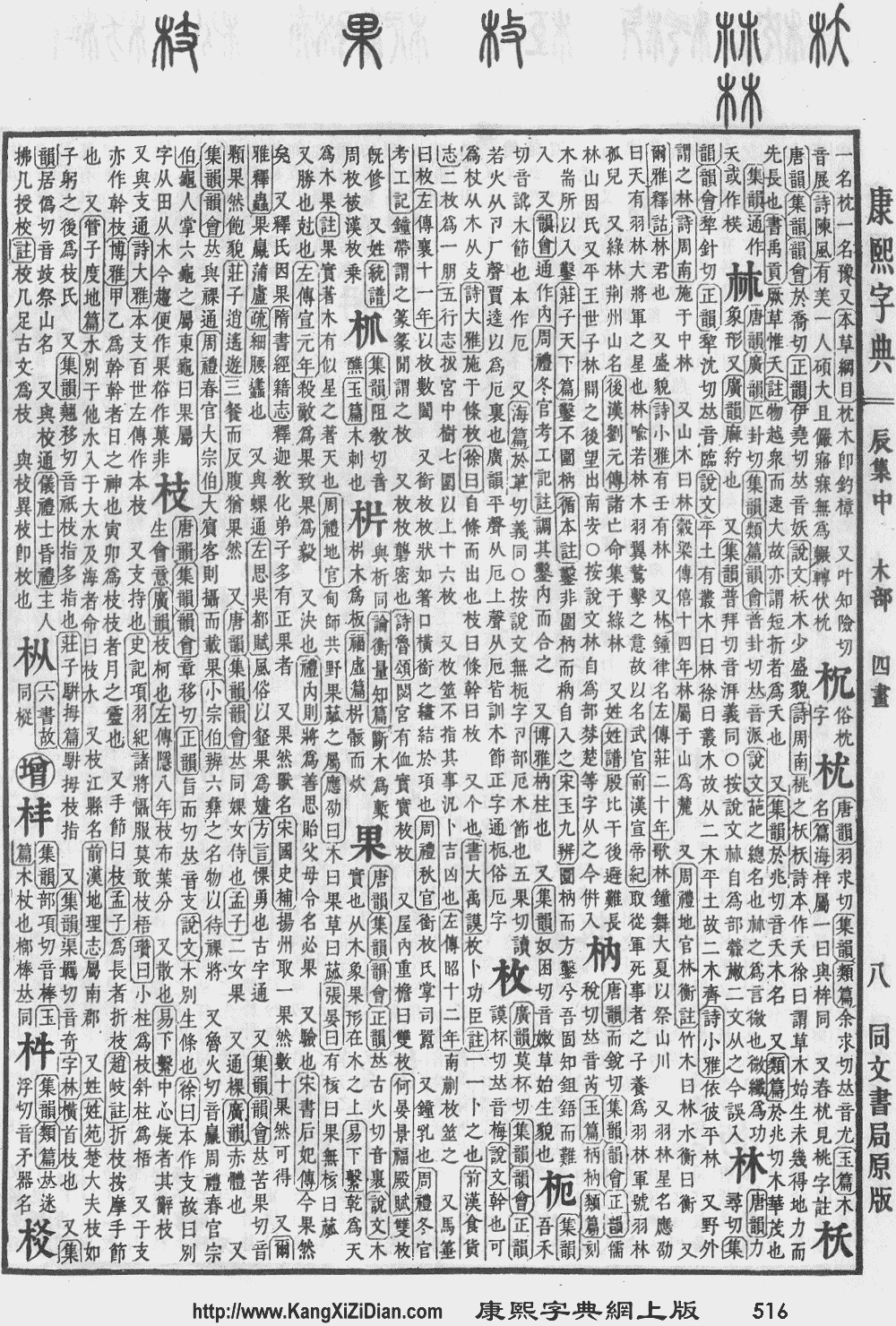
- Kangxi Dictionary: page 516, character 11
- Dai Kanwa Jiten: character 14556
- Dae Jaweon: page 904, character 5
- Hanyu Da Zidian (first edition): volume 2, page 1168, character 11
- Unihan data for U+679C
Chinese
Glyph origin
| Historical forms of the character 果 | |||
|---|---|---|---|
| Shang | Western Zhou | Shuowen Jiezi (compiled in Han) | Liushutong (compiled in Ming) |
| Oracle bone script | Bronze inscriptions | Small seal script | Transcribed ancient scripts |
 |
 |
 |
 |
| Old Chinese | |
|---|---|
| 裸 | *ɡ·roːlʔ |
| 躶 | *ɡ·roːlʔ |
| 果 | *kloːlʔ |
| 菓 | *kloːlʔ |
| 猓 | *kloːlʔ |
| 輠 | *kloːlʔ, *ɡloːlʔ, *ɡroːlʔ, *kʰluːls |
| 裹 | *kloːlʔ, *kloːls |
| 蜾 | *kloːlʔ |
| 惈 | *kloːlʔ |
| 粿 | *kloːlʔ |
| 窠 | *kʰloːl |
| 稞 | *kʰloːl, *ɡroːlʔ |
| 課 | *kʰloːl, *kʰloːls |
| 髁 | *kʰloːl, *kʰloːls, *kʰroːlʔ |
| 棵 | *kʰloːl, *kʰloːnʔ, *ɡloːnʔ |
| 顆 | *kʰloːlʔ |
| 堁 | *kʰloːlʔ, *kʰloːls, *kloːns |
| 敤 | *kʰloːlʔ, *kʰloːls |
| 夥 | *qʰloːlʔ, *ɡloːlʔ, *ɡroːlʔ |
| 婐 | *qloːlʔ, *kroːl |
| 踝 | *ɡroːlʔ |
| 祼 | *ɡluːlʔ |
Pictogram (象形) – fruit on a tree.
Etymology 1
| simp. and trad. |
果 | |
|---|---|---|
| alternative forms | 菓 | |
Possibly related to 卵 (OC *ɡ·roːlʔ, *ɡ·roːnʔ, “egg”) (Sagart and Ma, 2020).
Pronunciation
Definitions
果
- fruit
- result
- sure enough; really
- 言者有言,其所言者特未定也。果有言邪? [Classical Chinese, trad. and simp.]
- From: Zhuangzi, circa 3rd – 2nd centuries BCE
- Yán zhě yǒu yán, qí suǒ yán zhě tè wèi dìng yě. Guǒ yǒu yán yé? [Pinyin]
- The speaker has (a meaning in) his words. If, however, what he says, be indeterminate (as from a mind not made up), does he then really speak or not?
- determined
- 果敢 ― guǒgǎn ― resolute and courageous
- to fill
- 果腹 ― guǒfù ― to fill one's stomach
- to come true
- 不果 ― bùguǒ ― to be unsuccessful
- 南陽劉子驥,高尚士也,聞之,欣然親往。未果,尋病終。 [Classical Chinese, trad.]
- From: The Peach Blossom Spring (桃花源記), by Tao Yuanming, 421 (Wiktionary translation)
- Nányáng Liú Zǐjì, gāoshàng shì yě, wén zhī, xīnrán qīn wǎng. Wèiguǒ, xún bìng zhōng. [Pinyin]
- Liu Ziji of Nanyang was a noble scholar who heard of this, and joyously set out for it, but to no avail; he died of illness shortly afterwards.
南阳刘子骥,高尚士也,闻之,欣然亲往。未果,寻病终。 [Classical Chinese, simp.]
- (literary) finally; at last
- (literary) actually
- (literary) if indeed; if
- a surname
Synonyms
Compounds
- 一攪果/一搅果
- 三世因果
- 不果 (bùguǒ)
- 中果皮
- 乳果
- 乾果/干果 (gānguǒ)
- 人參果/人参果
- 人心果 (rénxīnguǒ)
- 仙果
- 佛果 (fóguǒ)
- 供果 (gòngguǒ)
- 來果/来果
- 倒果為因/倒果为因 (dàoguǒwéiyīn)
- 做功果
- 偷嚐禁果/偷尝禁果
- 假果
- 先花後果/先花后果 (xiānhuāhòuguǒ)
- 前因後果/前因后果 (qiányīnhòuguǒ)
- 剛果/刚果 (Gāngguǒ)
- 剛果紅/刚果红 (gāngguǒhóng)
- 剛毅果決/刚毅果决
- 功果
- 勇猛果敢
- 反效果 (fǎnxiàoguǒ)
- 善果 (shànguǒ)
- 喜果 (xǐguǒ)
- 四果
- 因果 (yīnguǒ)
- 因果報應/因果报应 (yīnguǒ bàoyìng)
- 因果律 (yīnguǒlǜ)
- 因果關係/因果关系 (yīnguǒ guānxì)
- 堅果/坚果 (jiānguǒ)
- 外果皮 (wàiguǒpí)
- 大洞果
- 天然果汁
- 奇異果/奇异果 (qíyìguǒ)
- 奇花異果/奇花异果
- 如果 (rúguǒ)
- 妙果
- 委果
- 子囊果
- 巧果 (qiǎoguǒ)
- 張果/张果
- 張果老/张果老
- 後果/后果 (hòuguǒ)
- 後果前因/后果前因 (hòuguǒqiányīn)
- 後果堪虞/后果堪虞
- 得果
- 忠果
- 情人果
- 惡果/恶果 (èguǒ)
- 慮周行果/虑周行果
- 懸果/悬果
- 成果 (chéngguǒ)
- 成正果
- 戰果/战果 (zhànguǒ)
- 投潘岳果
- 擴張戰果/扩张战果
- 擲果/掷果
- 擲果河陽/掷果河阳
- 擲果潘安/掷果潘安
- 擲果潘郎/掷果潘郎
- 擲果盈車/掷果盈车
- 收因結果/收因结果
- 效果 (xiàoguǒ)
- 效果不彰
- 文官果
- 果不其然 (guǒbùqírán)
- 果乾/果干
- 果乾兒/果干儿
- 果仁 (guǒrén)
- 果仁兒/果仁儿
- 果位
- 果兒/果儿 (guǒr)
- 果凍/果冻 (guǒdòng)
- 果凍兒/果冻儿 (guǒdòngr)
- 果勁/果劲
- 果品 (guǒpǐn)
- 果園/果园 (guǒyuán)
- 果報/果报 (guǒbào)
- 果如其言
- 果如所料
- 果如是言
- 果子 (guǒzi)
- 果子乾兒/果子干儿
- 果子狸 (guǒzilí)
- 果子藥/果子药
- 果子酒 (guǒzijiǔ)
- 果子醬/果子酱 (guǒzijiàng)
- 果子鋪/果子铺
- 果子露 (guǒzilù)
- 果實/果实 (guǒshí)
- 果寡糖
- 果嶺/果岭 (guǒlǐng)
- 果擲行車/果掷行车
- 果攤/果摊
- 果攤兒/果摊儿
- 果敢 (guǒgǎn)
- 果料兒/果料儿 (guǒliàor)
- 果斷/果断 (guǒduàn)
- 果木 (guǒmù)
- 果木園/果木园
- 松果 (sōngguǒ)
- 果枝
- 松果體/松果体 (sōngguǒtǐ)
- 果桌
- 果核
- 果樹/果树 (guǒshù)
- 果毅
- 果汁 (guǒzhī)
- 果汁機/果汁机 (guǒzhījī)
- 果決/果决 (guǒjué)
- 果洛 (Guǒluò)
- 果海
- 果然 (guǒrán)
- 果然不錯/果然不错
- 果然如此
- 果熟自落
- 果爾/果尔
- 果王
- 果皮 (guǒpí)
- 果皮箱
- 果盒
- 果盤/果盘 (guǒpán)
- 果真 (guǒzhēn)
- 果碟兒/果碟儿
- 果穗
- 果粉 (guǒfěn)
- 果糖 (guǒtáng)
- 果綠/果绿
- 果肉 (guǒròu)
- 果脯 (guǒfǔ)
- 果腹 (guǒfù)
- 果膠/果胶 (guǒjiāo)
- 果臝/果裸
- 果若
- 果莊/果庄 (Guǒzhuāng)
- 果菜 (guǒcài)
- 果菜市場/果菜市场
- 果菜類/果菜类
- 果蒂
- 果蓏
- 果蠅/果蝇 (guǒyíng)
- 果足
- 果農/果农 (guǒnóng)
- 果酒 (guǒjiǔ)
- 果酸 (guǒsuān)
- 果醋
- 果醬/果酱 (guǒjiàng)
- 果食
- 果餌/果饵
- 果餡/果馅
- 果餡兒/果馅儿
- 果饌/果馔
- 果點/果点
- 柑果 (gānguǒ)
- 查果
- 核果 (héguǒ)
- 業果/业果 (yèguǒ)
- 檬果 (méngguǒ)
- 正果
- 歸真證果/归真证果
- 殺敵致果/杀敌致果
- 殼果/壳果
- 毬果/球果
- 水果 (shuǐguǒ)
- 水果湖 (Shuǐguǒhú)
- 水果酒 (shuǐguǒjiǔ)
- 沃果兒/沃果儿
- 油果子
- 油炸果
- 海棠果
- 海檬果
- 液果 (yèguǒ)
- 漿果/浆果 (jiāngguǒ)
- 無籽果實/无籽果实
- 無花果/无花果 (wúhuāguǒ)
- 燒果/烧果
- 特殊效果 (tèshū xiàoguǒ)
- 球果 (qiúguǒ)
- 瓜果 (guāguǒ)
- 瓜果筵
- 瓠果
- 瘦果
- 白果 (báiguǒ)
- 白果兒/白果儿 (báiguǒr)
- 白果松
- 百果
- 百果山
- 百香果 (bǎixiāngguǒ)
- 皮果
- 盛果期
- 真果
- 碩果/硕果 (shuòguǒ)
- 碩果僅存/硕果仅存 (shuòguǒjǐncún)
- 禁果 (jìnguǒ)
- 穎果/颖果 (yǐngguǒ)
- 米果 (mǐguǒ)
- 糖果 (tángguǒ)
- 結果/结果
- 結果收因/结果收因
- 結果論/结果论
- 羅漢果/罗汉果 (luóhànguǒ)
- 翅果 (chìguǒ)
- 聖果/圣果
- 聚合果
- 腰果 (yāoguǒ)
- 臥果兒/卧果儿
- 自食其果 (zìshíqíguǒ)
- 自食惡果/自食恶果
- 芒果 (mángguǒ)
- 芒果青
- 花果 (huāguǒ)
- 花果山
- 苦果 (kǔguǒ)
- 苕果
- 茶果
- 莢果/荚果 (jiáguǒ)
- 萊姆果/莱姆果
- 落葉果樹/落叶果树
- 蒴果 (shuòguǒ)
- 蔬果 (shūguǒ)
- 蘋果/苹果 (píngguǒ)
- 蘋果綠/苹果绿 (píngguǒlǜ)
- 蘋果臉/苹果脸
- 蘋果酸/苹果酸 (píngguǒsuān)
- 蘭因絮果/兰因絮果
- 蜜果冰
- 蠟果/蜡果
- 裂果
- 複果/复果
- 西番果
- 觀光果園/观光果园
- 證果/证果
- 賓果/宾果 (bīnguǒ)
- 道果
- 邊果/边果
- 釋迦果/释迦果 (shìjiāguǒ)
- 金果坪 (Jīnguǒpíng)
- 釘頭果/钉头果
- 長生果/长生果 (chángshēngguǒ)
- 長角果/长角果
- 閉果/闭果
- 開心果/开心果 (kāixīnguǒ)
- 開花結果/开花结果
- 陳果夫/陈果夫
- 雜果/杂果 (záguǒ)
- 雨果 (Yǔguǒ)
- 青果 (qīngguǒ)
- 音響效果/音响效果
- 頻果/频果
- 食不果腹 (shíbùguǒfù)
- 饅頭果/馒头果
- 高果子茶
- 鮮果/鲜果 (xiānguǒ)
- 鳳眼果/凤眼果
- 齊克果/齐克果
- 齊墩果/齐墩果 (qídūnguǒ)
- 齋果/斋果 (zhāiguǒ)
Etymology 2
| For pronunciation and definitions of 果 – see 裹 (“to wrap; to bind; to encircle; confine; to carry off; etc.”). (This character is the second-round simplified form of 裹). |
Notes:
|
References
- “果”, in 漢語多功能字庫 (Multi-function Chinese Character Database), 香港中文大學 (the Chinese University of Hong Kong), 2014–
Japanese
Readings
Compounds
- 映日果 (ichijiku), 映日果 (eijitsuka): fig
- 無花果 (ichijiku), 無花果 (mukaka): fig
- 無花果果 (ichijikuka): syconium
- 果敢 (kakan): resolute, determined
- 果実 (kajitsu): fruit, berry
- 果樹 (kaju): fruit tree
- 果汁 (kajū): fruit juice
- 果糖 (katō): fruit sugar
- 果肉 (kaniku): flesh of fruit
- 果報 (kahō): good fortune
- 果物 (kudamono): fruit
- 青果 (seika): vegetables and fruits
- 摘果 (tekika): thinning out superfluous fruit
- 結果 (kekka): result, outcome
- 成果 (seika): result, fruit
- 効果 (kōka): effect, result
- 因果 (inga): karma
- 戦果 (senka): fruit of battle
- 果たす (hatasu): effect, realize
- 使命を果たす (shimei o hatasu): carry out one's mission
- 果たして (hatashite): as was expected
- 使い果たす (tsukaihatasu): use up, squander
- 果てる (hateru): end, be finished
- 朽ち果てる (kuchihateru): decay completely
- 絶え果てる (taehateru): be extinguished
- 果て (hate): end, extremity
- 果てしない (hateshinai): endless, boundless
- 苹果 (heika), 苹果 (hyōka): apple (fruit)
| Kanji in this term |
|---|
| 果 |
| か Grade: 4 |
| on’yomi |
Etymology
From Middle Chinese 果 (kuɑX).
Noun
References
- Matsumura, Akira, editor (2006), 大辞林 [Daijirin] (in Japanese), Third edition, Tōkyō: Sanseidō, →ISBN
Korean
Etymology
(This etymology is missing or incomplete. Please add to it, or discuss it at the Etymology scriptorium. Particularly: “Middle Korean readings, if any”)
Pronunciation
- (SK Standard/Seoul) IPA(key): [kwa̠]
- Phonetic hangul: [과]
Compounds
- 증과 (證果, jeunggwa)
Old Korean
Particle
果 (*-kwa)
- and; with (comitative case marker; attached to multiple connected nouns)
- c. 1250, Interpretive gugyeol glosses to the Humane King Sutra:
Usage notes
果 follows the grammatical rules of its Middle Korean descendant, which differ from Modern Korean usage. Thus it may be followed by other case markers, such as 叱. Furthermore, in both Old and Middle Korean, "A and B" is expressed as A-kwa B-kwa, instead of Modern Korean A-kwa B.
Unlike in Middle and Modern Korean, 果 did not take any allomorph following a vowel. The Middle Korean allomorph 와 (Yale: -Gwa) was produced by the lenition of Old Korean *k to /ɣ/ between vowels.
Descendants
See also
- 利 (*-li, intimate connective particle)
References
- 이승재 (Lee Seung-jae) (2000) “차자표기 자료의 격조사 연구 [Chaja pyogi jaryo-ui gyeokjosa yeon'gu, Study of case markers in the Chinese-based orthography [of Korean]]”, in Gugeo Gukmunhak, volume 127, pages 107–132