夫
| ||||||||
Translingual
| Stroke order | |||
|---|---|---|---|
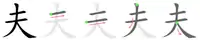 | |||
Han character
夫 (Kangxi radical 37, 大+1, 4 strokes, cangjie input 手人 (QO), four-corner 50030, composition ⿻二人 or ⿻一大)
References
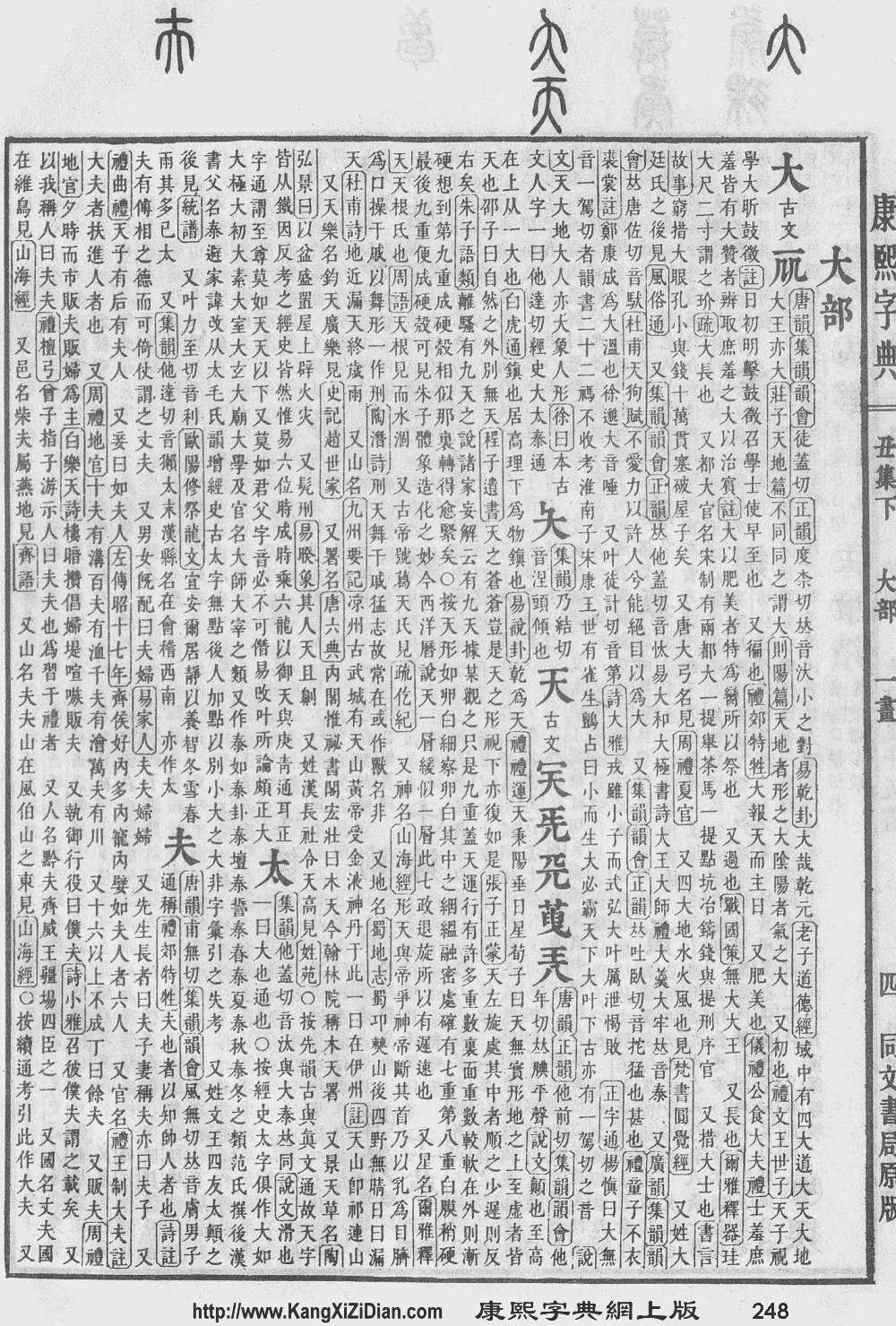
- Kangxi Dictionary: page 248, character 11
- Dai Kanwa Jiten: character 5835
- Dae Jaweon: page 507, character 1
- Hanyu Da Zidian (first edition): volume 1, page 521, character 1
- Unihan data for U+592B
Chinese
| simp. and trad. |
夫 | |
|---|---|---|
Glyph origin
| Historical forms of the character 夫 | |||
|---|---|---|---|
| Shang | Western Zhou | Shuowen Jiezi (compiled in Han) | Liushutong (compiled in Ming) |
| Oracle bone script | Bronze inscriptions | Small seal script | Transcribed ancient scripts |
 |
 |
 |
 |
Ideogrammic compound (會意/会意) : 大 (“man”) + 一 (“hairpin”) – a man with a hairpin in his hair.
In ancient times, when men reached the age of 20, they bound their hair with a hairpin during the Guan Li ceremony. The hairpin is the sign of “a grownup man”.
Etymology 1
From Proto-Sino-Tibetan *pʷa (“male, father, third-person pronoun”). Cognate with Tibetan ཕ། (pha, “father”), Burmese ဘ (bha., “father”). Possibly related to 父 (OC *paʔ, *baʔ, “father”).
Pronunciation
Definitions
夫
- male adult; man
- 維此奄息,百夫之特。 [Pre-Classical Chinese, trad.]
- From: The Classic of Poetry, c. 11th – 7th centuries BCE, translated based on James Legge's version
- Wéi cǐ Yǎnxī, bǎifū zhī tè. [Pinyin]
- And this Yansi,
Was a man above a hundred.
维此奄息,百夫之特。 [Pre-Classical Chinese, simp.]- 劍閣崢嶸而崔嵬,一夫當關,萬夫莫開。 [MSC, trad.]
- From: c. early 8th century, Li Bai (李白), 蜀道難. Translated into the English as The Steep Road to Shuh by Shigeyoshi Obata (小畑薫良), 1922.
- Jiàngé zhēngróng ér cuīwéi, yī fū dāng guān, wàn fū mò kāi. [Pinyin]
- The gate of the Sword Parapet stands firm on its frightful height.
One man defending it, a thousand men could not break it open.
剑阁峥嵘而崔嵬,一夫当关,万夫莫开。 [MSC, simp.]
- husband
- manual worker
- conscripted laborer
Synonyms
Compounds
- 一勇之夫
- 一夫 (yīfū)
- 下大夫
- 丈夫 (“husband”)
- 丈夫女
- 丈夫子
- 三閭大夫/三闾大夫
- 不丈夫
- 不杖期夫
- 中散大夫
- 尹霍夫池
- 二夫人
- 五大夫
- 五羖大夫
- 介夫
- 伊凡諾夫/伊凡诺夫
- 伙夫
- 偉丈夫/伟丈夫
- 傖夫俗人/伧夫俗人
- 僕夫/仆夫
- 光夫
- 先夫 (xiānfū)
- 光祿大夫/光禄大夫
- 克利夫蘭/克利夫兰 (Kèlìfūlán)
- 兒夫/儿夫
- 兒女夫妻/儿女夫妻
- 共事一夫
- 冰島漁夫/冰岛渔夫
- 凡夫 (fánfū)
- 凡夫俗子 (fánfūsúzǐ)
- 凡夫肉眼
- 剋夫/克夫 (kèfū)
- 前夫 (qiánfū)
- 力敵萬夫/力敌万夫
- 功夫 (gōngfu, “kung-fu”)
- 功夫片
- 勇夫 (yǒngfū)
- 勇夫悍卒
- 匹夫 (pǐfū)
- 匹夫之勇 (pǐfūzhīyǒng)
- 匹夫匹婦/匹夫匹妇
- 匹夫懷璧/匹夫怀璧
- 匹夫有責/匹夫有责
- 千夫
- 千夫所指 (qiānfūsuǒzhǐ)
- 千夫長/千夫长
- 南斯拉夫 (Nánsīlāfū)
- 卿大夫 (qīngdàfū)
- 哲夫 (zhéfū)
- 單夫隻婦/单夫只妇
- 嗇夫/啬夫
- 地下夫人
- 坐產招夫/坐产招夫
- 堯夫助麥/尧夫助麦
- 壓寨夫人/压寨夫人
- 士大夫 (shìdàfū)
- 士大夫畫/士大夫画
- 士夫
- 壯夫/壮夫
- 夜夫
- 大丈夫
- 大夫 (“doctor”)
- 大夫松
- 太中大夫 (tàizhōng dàfū)
- 夫主
- 夫人 (fūrén, “madam”)
- 夫人城
- 夫人縣君/夫人县君
- 夫人裙帶/夫人裙带
- 夫倡婦隨/夫倡妇随
- 夫兄弟
- 夫君 (fūjūn)
- 夫唱婦隨/夫唱妇随 (fūchàngfùsuí)
- 太夫人
- 太夫子
- 夫妻 (fūqī)
- 夫妻兩口/夫妻两口
- 夫妻反目
- 夫妻店 (fūqīdiàn)
- 夫妻相 (fūqīxiàng)
- 夫妻關係/夫妻关系
- 夫娘 (fūniáng)
- 夫婦/夫妇 (fūfù, “married couple”)
- 夫婦合璧/夫妇合璧
- 夫婦和/夫妇和
- 夫婦好合/夫妇好合
- 夫婦齊眉/夫妇齐眉
- 夫婿 (fūxù)
- 夫子 (fūzǐ)
- 夫子河 (Fūzǐhé)
- 夫子自道
- 夫家 (fūjiā)
- 夫役
- 夫榮妻貴/夫荣妻贵
- 夫榮妻顯/夫荣妻显
- 夫權/夫权 (fūquán)
- 夫死從子/夫死从子
- 夫男
- 夫貴妻榮/夫贵妻荣
- 夫頭/夫头
- 夫馬/夫马
- 夫黨/夫党
- 夯夫
- 夯鐵之夫/夯铁之夫
- 奉政大夫
- 女丈夫
- 女中丈夫
- 奸夫 (jiānfū)
- 妻以夫貴/妻以夫贵
- 妹夫 (mèifū)
- 姐夫
- 姊夫
- 姦夫/奸夫 (jiānfū)
- 姨夫
- 姦夫淫婦/奸夫淫妇
- 婢作夫人
- 娼夫
- 婦奪夫權/妇夺夫权
- 婢學夫人/婢学夫人
- 嫂夫人
- 子大夫
- 孔夫子 (Kǒng Fūzǐ)
- 孱夫
- 宰夫
- 家庭主夫 (jiātíng zhǔfū)
- 家庭煮夫
- 寡夫 (guǎfū)
- 尊夫人 (zūnfūrén)
- 小丈夫
- 小夫人
- 屠夫 (túfū)
- 工夫
- 床上功夫
- 庸夫
- 廚夫/厨夫
- 役夫
- 征夫 (zhēngfū)
- 後夫/后夫
- 御史大夫 (yùshǐ dàfū)
- 御夫座 (Yùfūzuò)
- 怯夫
- 怨女曠夫/怨女旷夫 (yuànnǚ kuàngfū)
- 息夫人
- 患難夫妻/患难夫妻
- 情夫 (qíngfū)
- 愚夫
- 愚夫愚婦/愚夫愚妇
- 憂愁夫人/忧愁夫人
- 懦夫 (nuòfū)
- 打脊匹夫
- 扛夫
- 抗戰夫人/抗战夫人
- 拔圍出夫/拔围出夫
- 拉夫 (lāfū)
- 拙夫
- 押寨夫人
- 挑夫 (tiāofū)
- 挑妻窩夫/挑妻窝夫
- 指腳夫妻/指脚夫妻
- 摩耶夫人
- 擔夫/担夫
- 故夫
- 斯拉夫字母
- 斯拉夫族 (sīlāfūzú)
- 曠夫/旷夫 (kuàngfū)
- 曠夫怨女/旷夫怨女 (kuàngfū yuànnǚ)
- 更夫 (gēngfū)
- 有夫之婦/有夫之妇 (yǒufūzhīfù)
- 有工夫
- 望夫石 (wàngfūshí)
- 未婚夫 (wèihūnfū)
- 村夫 (cūnfū)
- 村夫俗子
- 村夫子
- 村夫野老
- 杖期夫
- 柴米夫妻
- 槓夫/杠夫 (gàngfū)
- 樵夫 (qiáofū)
- 武夫 (wǔfū)
- 殺狗勸夫/杀狗劝夫
- 民夫 (mínfū)
- 民賊獨夫/民贼独夫
- 水夫 (shuǐfū)
- 水火夫
- 沒得工夫/没得工夫
- 沒的功夫/没的功夫
- 海夫人
- 清道夫 (qīngdàofū)
- 湘夫人
- 漁夫/渔夫 (yúfū, “fisherman”)
- 潛夫論/潜夫论
- 瀧夫/泷夫
- 灌夫罵坐/灌夫骂坐
- 火夫 (huǒfū)
- 烈丈夫
- 牧夫座 (Mùfūzuò)
- 狂夫
- 獨夫/独夫 (dúfū)
- 獨夫民賊/独夫民贼 (dúfūmínzéi)
- 玉夫座 (Yùfūzuò)
- 田夫牧子
- 田夫野老
- 病夫 (bìngfū)
- 白費功夫/白费功夫
- 百夫良
- 百夫長/百夫长 (bǎifūzhǎng)
- 盭夫
- 相夫教子 (xiàngfūjiàozǐ)
- 相女配夫
- 眇小丈夫
- 萬夫/万夫
- 萬夫不當/万夫不当
- 萬夫莫敵/万夫莫敌
- 萬夫莫當/万夫莫当
- 穡夫/穑夫
- 空中夫妻
- 窺御激夫/窥御激夫
- 站夫
- 竹夫人 (zhúfūrén)
- 第一夫人 (dì-yī fūrén)
- 管夫人
- 箱底功夫
- 精夫
- 糞夫/粪夫
- 約瑟夫/约瑟夫 (Yuēsèfū)
- 結髮夫妻/结发夫妻 (jiéfà fūqī)
- 縴夫/纤夫 (qiànfū)
- 罵坐灌夫/骂坐灌夫
- 羅敷有夫/罗敷有夫
- 義夫/义夫 (yìfū)
- 義夫節婦/义夫节妇
- 老匹夫
- 老夫 (lǎofū)
- 老夫妻
- 老夫子
- 老夫老妻 (lǎofūlǎoqī)
- 而夫
- 耕夫
- 腳夫/脚夫 (jiǎofū)
- 膳夫
- 臨水夫人/临水夫人
- 舁夫
- 船夫 (chuánfū)
- 花燭夫妻/花烛夫妻
- 花蕊夫人
- 莽大夫
- 莽夫
- 莽灌夫
- 蒙古大夫 (měnggǔ dàifu)
- 薄夫
- 蝴蝶夫人
- 表沃夫
- 褐夫
- 西山餓夫/西山饿夫
- 謀夫孔多/谋夫孔多
- 諫議大夫/谏议大夫 (jiànyì dàfū)
- 貝奧武夫/贝奥武夫 (Bèi'àowǔfū)
- 貞夫烈婦/贞夫烈妇
- 貪夫徇財/贪夫徇财
- 貪夫痴客/贪夫痴客
- 販夫走卒/贩夫走卒 (fànfūzǒuzú)
- 費功夫/费功夫
- 貼夫/贴夫
- 賤丈夫/贱丈夫
- 赳赳武夫 (jiūjiūwǔfū)
- 起夫
- 車腳夫/车脚夫
- 輓夫/挽夫
- 輦夫/辇夫
- 轎夫/轿夫 (jiàofū)
- 農夫/农夫 (nóngfū, “peasant”)
- 迂夫子
- 逐臭之夫
- 鄉大夫/乡大夫
- 鄙夫
- 鄙夫之見/鄙夫之见
- 長夫/长夫
- 閒工夫/闲工夫 (xiángōngfu)
- 關夫子/关夫子 (Guānfūzǐ)
- 露水夫妻
- 韋布匹夫/韦布匹夫
- 頂上功夫/顶上功夫
- 馬夫/马夫 (mǎfū)
- 馬爾地夫/马尔地夫 (Mǎ'ěrdìfū)
- 騾夫/骡夫
- 高爾夫/高尔夫 (gāo'ěrfū)
- 高爾夫球/高尔夫球 (gāo'ěrfūqiú)
- 鰥夫/鳏夫 (guānfū)
- 齋夫/斋夫
Descendants
- → Proto-Southwestern Tai: *pʰuəᴬ
- Thai: ผัว (pǔua, “husband”)
Etymology 2
“That”. Schuessler (2007) connects this with Proto-Loloish *m-ba (“on the other side”), Tibetan ཕ (pha, “beyond, farther on, onward”). Maybe related to 彼 (OC *pralʔ, “that”). Pulleyblank (1995) relates the introductory particle sense with 凡 (OC *bom).
In the sense "is it not?", probably a contraction of 不 (OC *pɯ, *pɯʔ, *pɯ') and 乎 (OC *ɢaː) (Pulleyblank, 1995, p. 145).
Pronunciation
Definitions
夫
- † A generic personal pronoun – he; she; it; they.
- † A generic demonstrative pronoun – this; that; these; those.
- † Sentence-initial particle which introduces a topic.
- † Sentence-final particle, meaning “Is it not?”.
- 子在川上,曰:「逝者如斯夫!不舍晝夜。」 [Classical Chinese, trad.]
- From: The Analects of Confucius, c. 475 – 221 BCE, translated based on James Legge's version
- Zǐ zài chuān shàng, yuē: “Shìzhěrúsī fú! Bù shè zhòuyè.” [Pinyin]
- The Master standing by a stream, said, "It passes on just like this, not ceasing day or night!"
子在川上,曰:「逝者如斯夫!不舍昼夜。」 [Classical Chinese, simp.]
- † Meaningless particle in the middle of a sentence.
Synonyms
Etymology 3
| For pronunciation and definitions of 夫 – see 伕. (This character is the second-round simplified form of 伕). |
Notes:
|
Etymology 4
Short for 夫佬 (fu1 lou2).
Pronunciation
Compounds
References
- “夫”, in 漢語多功能字庫 (Multi-function Chinese Character Database), 香港中文大學 (the Chinese University of Hong Kong), 2014–
Japanese
Readings
Compounds
Etymology 1
| Kanji in this term |
|---|
| 夫 |
| おっと Grade: 4 |
| kun’yomi |
Shift from older unattested 男人 (wofito), synchronically analyzable as a compound of 男 (wo → o, “male, man”) + 人 (fito → hito, “person”).[1][2][3]
Ultimately from Proto-Japonic *wopitə, with many Ryukyuan cognates.
First attested in roughly 1220.[1]
Etymology 2
| Kanji in this term |
|---|
| 夫 |
| つま Grade: 4 |
| kun’yomi |
| Alternative spelling |
|---|
| 妻 |
From Old Japanese. First attested in the Kojiki of 712.[6]
Cognate with 端 (tsuma, “edge, side of something”), from the sense of "person by one's side".[6][2]
Generally spelled 夫 in reference to a husband and 妻 in reference to a wife.
Noun
夫 • (tsuma)
Usage notes
In modern usage, the term tsuma is usually reserved for the sense wife, and is therefore spelled 妻 in kanji, while husband is usually expressed using the term 夫 (otto).[5]
References
- “夫・良人・所天”, in 日本国語大辞典 (Nihon Kokugo Daijiten, “Nihon Kokugo Daijiten”) (in Japanese), concise edition, Tōkyō: Shogakukan, 2000
- “夫”, in デジタル大辞泉 [Digital Daijisen] (in Japanese), Tōkyō: Shogakukan, updated roughly every four months
- Matsumura, Akira, editor (2006), 大辞林 [Daijirin] (in Japanese), Third edition, Tōkyō: Sanseidō, →ISBN
- NHK Broadcasting Culture Research Institute, editor (1998), NHK日本語発音アクセント辞典 [NHK Japanese Pronunciation Accent Dictionary] (in Japanese), Tōkyō: NHK Publishing, →ISBN
- Kindaichi, Kyōsuke et al., editors (1997), 新明解国語辞典 [Shin Meikai Kokugo Jiten] (in Japanese), Fifth edition, Tōkyō: Sanseidō, →ISBN
- “妻・夫”, in 日本国語大辞典 (Nihon Kokugo Daijiten, “Nihon Kokugo Daijiten”) (in Japanese), concise edition, Tōkyō: Shogakukan, 2000
Korean
Etymology
From Middle Chinese 夫 (MC pju). Recorded as Middle Korean 부 (pwu) (Yale: pwu) in Hunmong Jahoe (訓蒙字會 / 훈몽자회), 1527.