異
| ||||||||
| ||||||||
 | ||||||||
Translingual
Han character
異 (Kangxi radical 102, 田+6, 11 strokes, cangjie input 田廿金 (WTC), four-corner 60801, composition ⿱田共)
- Shuowen Jiezi radical №65
Derived characters
Related characters
References
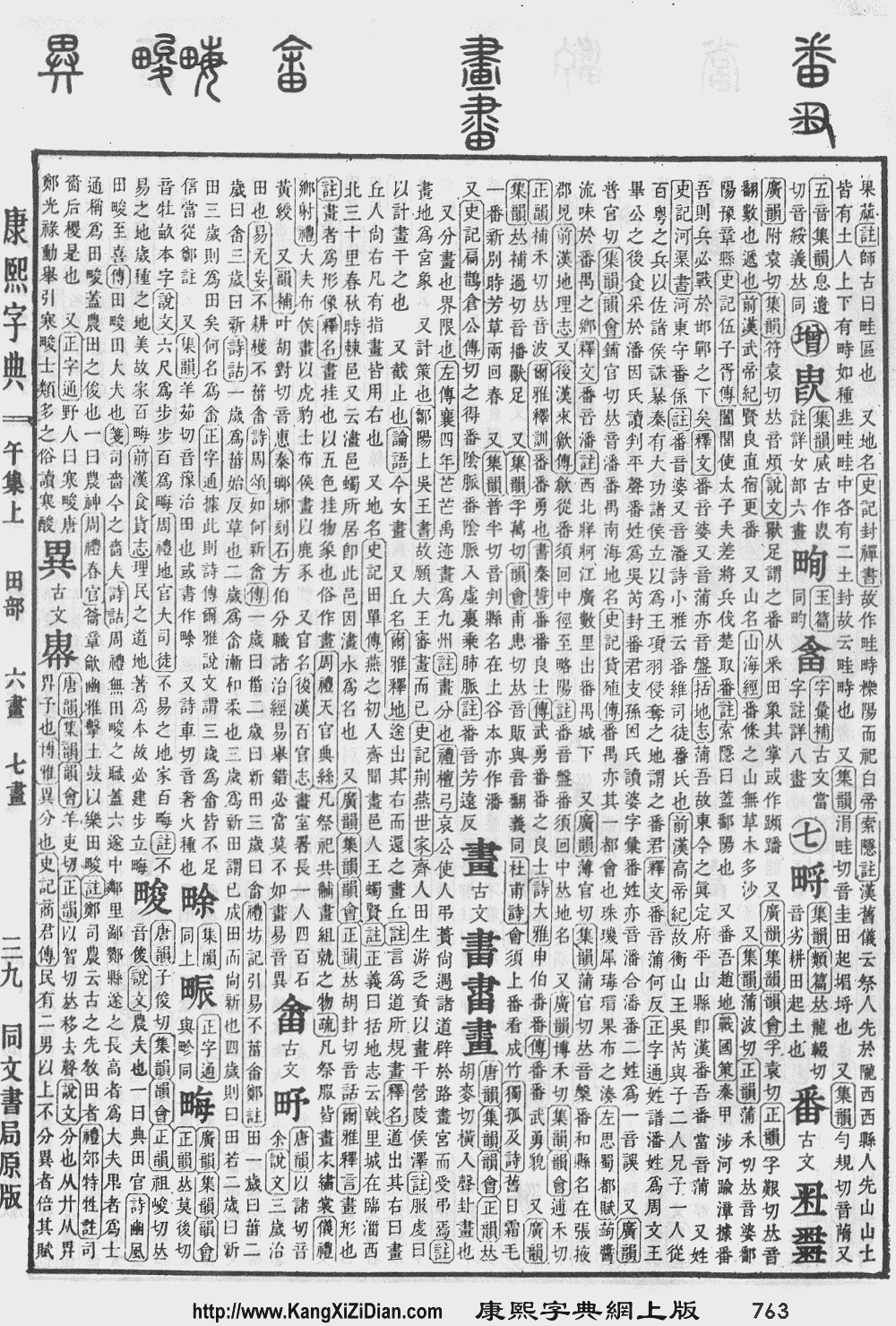
- Kangxi Dictionary: page 763, character 18
- Dai Kanwa Jiten: character 21866
- Dae Jaweon: page 1173, character 5
- Hanyu Da Zidian (first edition): volume 4, page 2540, character 5
- Unihan data for U+7570
- Unihan data for U+F962
- Unihan data for U+2F938
Chinese
| trad. | 異 | |
|---|---|---|
| simp. | 异* | |
| alternative forms | 𠔱 𢄖 | |
Glyph origin
| Historical forms of the character 異 | |||
|---|---|---|---|
| Shang | Western Zhou | Shuowen Jiezi (compiled in Han) | Liushutong (compiled in Ming) |
| Oracle bone script | Bronze inscriptions | Small seal script | Transcribed ancient scripts |
 |
 |
 |
 |
Ideogram (指事) – a man with a mask (田) over his face. Possible interpretations:
- Strange, bizarre — "uncommon".
- Different face — "different".
Compare 鬼 (“demon”), where the 田 also derives from a face.
Alternatively, may be a pictogram (象形) of a person carrying something on his head, the original form of 戴 (“to carry on the head”).
Modern form is graphically 田 + 共, though this is not the etymology.
Pronunciation
Definitions
異
- different; other
- uncommon; unusual; special; strange; surprising
- to distinguish; to separate
- (chemistry) iso- (forms terms relating to isomers)
- (Hakka) quite; very
- 異好/异好 [Meixian Hakka] ― yi4 hau3 [Hakka Transliteration Scheme] ― very good
Synonyms
Antonyms
- 同 (tóng, “same”)
Compounds
- 不異/不异
- 乖異/乖异
- 互異/互异
- 人殊意異/人殊意异 (rén shū yì yì)
- 伐異黨同/伐异党同
- 個別差異/个别差异
- 傳聞異辭/传闻异辞
- 優異/优异 (yōuyì)
- 兩性差異/两性差异
- 別異/别异
- 功同賞異/功同赏异
- 卓異/卓异 (zhuóyì)
- 同工異曲/同工异曲 (tónggōngyìqǔ)
- 同工異調/同工异调
- 同床異夢/同床异梦 (tóngchuángyìmèng)
- 各懷異心/各怀异心
- 吒異/吒异
- 同異/同异 (tóngyì)
- 各異其趣/各异其趣
- 同聲異俗/同声异俗
- 同門異戶/同门异户
- 嗟異/嗟异
- 因人而異/因人而异 (yīnrén'éryì)
- 堅白同異/坚白同异
- 大同小異/大同小异 (dàtóngxiǎoyì)
- 大放異彩/大放异彩 (dàfàngyìcǎi)
- 大放異采
- 大異其趣/大异其趣
- 奇人異士/奇人异士
- 奇山異水/奇山异水
- 奇才異能/奇才异能
- 奇珍異寶/奇珍异宝
- 奇珍異物/奇珍异物
- 奇異/奇异 (qíyì)
- 奇異果/奇异果 (qíyìguǒ)
- 奇異墨水/奇异墨水
- 奇花異卉/奇花异卉
- 奇花異果/奇花异果
- 奇花異草/奇花异草 (qíhuāyìcǎo)
- 奇葩異卉/奇葩异卉
- 奇裝異服/奇装异服 (qízhuāngyìfú)
- 奇謀異策/奇谋异策
- 奇蹤異跡/奇踪异迹
- 奇風異俗/奇风异俗
- 妖異/妖异
- 寵異/宠异
- 尤異/尤异 (yóuyì)
- 崖異/崖异
- 差異/差异 (chāyì)
- 差異法/差异法
- 幽明異路/幽明异路
- 幽顯異途/幽显异途
- 怪異/怪异 (guàiyì)
- 怫異/怫异
- 手足異處/手足异处
- 打擊異己/打击异己
- 拔新領異/拔新领异
- 探奇窮異/探奇穷异
- 排斥異己/排斥异己
- 探異玩奇/探异玩奇
- 攻乎異端/攻乎异端
- 日新月異/日新月异 (rìxīnyuèyì)
- 時異事殊/时异事殊
- 時異勢殊/时异势殊
- 時移世異/时移世异
- 本同末異/本同末异
- 末異/末异
- 朱陸異同/朱陆异同
- 標同伐異/标同伐异
- 標奇立異/标奇立异
- 標新取異/标新取异
- 標新立異/标新立异 (biāoxīnlìyì)
- 標新領異/标新领异
- 步伐異常/步伐异常
- 歧異/歧异 (qíyì)
- 殊勛異績/殊勋异绩
- 殊方異域/殊方异域
- 殊方異類/殊方异类
- 殊滋異味/殊滋异味
- 殊異/殊异 (shūyì)
- 毫無異義/毫无异义
- 求同存異/求同存异 (qiútóngcúnyì)
- 求新立異/求新立异
- 流落異鄉/流落异乡
- 清異錄/清异录
- 源殊派異/源殊派异
- 災異/灾异 (zāiyì)
- 炫異爭奇/炫异争奇
- 無異/无异 (wúyì)
- 無異議/无异议
- 爭奇鬥異/争奇斗异
- 特異/特异 (tèyì)
- 特異功能/特异功能 (tèyì gōngnéng)
- 獨持異議/独持异议
- 珍異/珍异
- 珍禽異獸/珍禽异兽
- 珍羞異饌/珍羞异馔
- 瑰異/瑰异
- 甄奇錄異/甄奇录异
- 異乎尋常/异乎寻常 (yìhūxúncháng)
- 異事/异事 (yìshì)
- 異人/异人 (yìrén)
- 異代/异代
- 異位產式/异位产式
- 異俗/异俗
- 異動/异动 (yìdòng)
- 異化/异化 (yìhuà)
- 異化作用/异化作用 (yìhuà zuòyòng)
- 異卉奇花/异卉奇花
- 異口同聲/异口同声 (yìkǒutóngshēng)
- 異口同辭/异口同辞
- 異口同音/异口同音
- 異同/异同 (yìtóng)
- 異名/异名 (yìmíng)
- 異味/异味 (yìwèi)
- 異國/异国 (yìguó)
- 異國情調/异国情调 (yìguó qíngdiào)
- 異圖/异图
- 異地/异地 (yìdì)
- 異地相逢/异地相逢
- 異域/异域 (yìyù)
- 異士奇人/异士奇人
- 異夢離心/异梦离心
- 異姓/异姓 (yìxìng)
- 異客/异客 (yìkè)
- 異寶奇珍/异宝奇珍
- 異己/异己 (yìjǐ)
- 異常/异常 (yìcháng)
- 異常行為/异常行为
- 異形/异形 (yìxíng)
- 異形葉/异形叶
- 異形詞/异形词 (yìxíngcí)
- 異形配子/异形配子
- 異彩/异彩 (yìcǎi)
- 異心/异心 (yìxīn)
- 異志/异志 (yìzhì)
- 異性/异性 (yìxìng)
- 異想天開/异想天开 (yìxiǎngtiānkāi)
- 異態/异态
- 異戊橡膠/异戊橡胶
- 異才/异才 (yìcái)
- 異政殊俗/异政殊俗
- 異教/异教 (yìjiào)
- 異數/异数
- 異文/异文
- 異方/异方
- 異族/异族 (yìzú)
- 異日/异日 (yìrì)
- 異時/异时
- 異景/异景
- 異曲同工/异曲同工 (yìqǔtónggōng)
- 異書/异书
- 異服/异服
- 異木奇花/异木奇花
- 異構/异构 (yìgòu)
- 異樣/异样 (yìyàng)
- 異母/异母 (yìmǔ)
- 異母兄弟/异母兄弟 (yìmǔ xiōngdì)
- 異派同源/异派同源
- 異營性/异营性
- 異爨/异爨
- 異父/异父
- 異物/异物 (yìwù)
- 異特龍/异特龙
- 異狀/异状
- 異用字/异用字 (yìyòngzì)
- 異畛/异畛
- 異相/异相
- 異稟/异禀 (yìbǐng)
- 異種/异种 (yìzhǒng)
- 異端/异端 (yìduān)
- 異端邪說/异端邪说
- 異聞/异闻 (yìwén)
- 異聞傳說/异闻传说
- 異能/异能 (yìnéng)
- 異花傳粉/异花传粉
- 異苑/异苑
- 異苔同岑/异苔同岑
- 異草/异草
- 異草奇花/异草奇花
- 異言/异言 (yìyán)
- 異詞/异词
- 異說/异说 (yìshuō)
- 異論/异论
- 異議/异议 (yìyì)
- 異讀/异读 (yìdú)
- 異變/异变
- 異質/异质 (yìzhì)
- 異趣/异趣
- 異路同歸/异路同归
- 異軌/异轨
- 異軍特起/异军特起
- 異軍突起/异军突起 (yìjūntūqǐ)
- 異途同歸/异途同归 (yìtútóngguī)
- 異道/异道
- 異邦/异邦 (yìbāng)
- 異鄉/异乡 (yìxiāng)
- 異鄉人/异乡人
- 異配生殖/异配生殖
- 異采 (yìcǎi)
- 異重流/异重流
- 異類/异类 (yìlèi)
- 異類之人/异类之人
- 異類對/异类对
- 異香/异香
- 異香撲鼻/异香扑鼻
- 異香異氣/异香异气
- 異香襲人/异香袭人
- 異體/异体 (yìtǐ)
- 異體字/异体字 (yìtǐzì)
- 相異/相异 (xiāngyì)
- 睽異/睽异
- 矜奇立異/矜奇立异
- 矯情立異/矫情立异
- 神異/神异 (shényì)
- 稱奇道異/称奇道异
- 稱異/称异
- 穎異/颖异 (yǐngyì)
- 立異/立异 (lìyì)
- 納奇錄異/纳奇录异
- 絕域異方/绝域异方
- 罕異/罕异
- 考異/考异 (kǎoyì)
- 聊齋志異/聊斋志异
- 臉色有異/脸色有异
- 茂才異等/茂才异等
- 薰蕕異器/薰莸异器
- 衒異/衒异
- 見異思遷/见异思迁 (jiànyìsīqiān)
- 訝異/讶异 (yàyì)
- 詭狀異形/诡状异形
- 詭異/诡异 (guǐyì)
- 詫異/诧异 (chàyì)
- 誅鋤異己/诛锄异己
- 變異/变异 (biànyì)
- 豐神異彩/丰神异彩
- 貌同實異/貌同实异
- 賞同罰異/赏同罚异
- 趨舍異路/趋舍异路
- 身首異處/身首异处 (shēnshǒuyìchù)
- 迥異/迥异 (jiǒngyì)
- 述異記/述异记
- 逞異誇能/逞异夸能
- 邪說異端/邪说异端
- 部執異論/部执异论
- 雌雄異株/雌雄异株
- 雌雄異體/雌雄异体
- 離異/离异 (líyì)
- 雲泥異路/云泥异路
- 靈異/灵异 (língyì)
- 非我族類,其心必異/非我族类,其心必异 (fēiwǒzúlèi, qíxīnbìyì)
- 非異人任/非异人任 (fēiyìrénrèn)
- 頭足異所/头足异所
- 頭足異處/头足异处
- 食不異肉/食不异肉
- 首足異處/首足异处
- 駭異/骇异
- 驚奇駭異/惊奇骇异
- 驚異/惊异 (jīngyì)
- 骨肉離異/骨肉离异
- 黨同伐異/党同伐异 (dǎngtóngfáyì)
References
- “異”, in 漢語多功能字庫 (Multi-function Chinese Character Database), 香港中文大學 (the Chinese University of Hong Kong), 2014–
Japanese
| Shinjitai | 異 | |
| Kyūjitai [1] |
異󠄂 異+ 󠄂?(Hanyo-Denshi) (Moji_Joho) |
|
| The displayed kanji may be different from the image due to your environment. See here for details. | ||
Readings
Etymology 1
| Kanji in this term |
|---|
| 異 |
| い Grade: 6 |
| on’yomi |
From Middle Chinese 異 (MC yiH). Compare modern Mandarin 異/异 (yì, /i⁵¹/), Cantonese 異/异 (ji6, /jiː²²/).
Inflection
| Stem forms | |||
|---|---|---|---|
| Imperfective (未然形) | 異だろ | いだろ | i daro |
| Continuative (連用形) | 異で | いで | i de |
| Terminal (終止形) | 異だ | いだ | i da |
| Attributive (連体形) | 異な | いな | i na |
| Hypothetical (仮定形) | 異なら | いなら | i nara |
| Imperative (命令形) | 異であれ | いであれ | i de are |
| Key constructions | |||
| Informal negative | 異ではない 異じゃない |
いではない いじゃない |
i de wa nai i ja nai |
| Informal past | 異だった | いだった | i datta |
| Informal negative past | 異ではなかった 異じゃなかった |
いではなかった いじゃなかった |
i de wa nakatta i ja nakatta |
| Formal | 異です | いです | i desu |
| Formal negative | 異ではありません 異じゃありません |
いではありません いじゃありません |
i de wa arimasen i ja arimasen |
| Formal past | 異でした | いでした | i deshita |
| Formal negative past | 異ではありませんでした 異じゃありませんでした |
いではありませんでした いじゃありませんでした |
i de wa arimasen deshita i ja arimasen deshita |
| Conjunctive | 異で | いで | i de |
| Conditional | 異なら(ば) | いなら(ば) | i nara (ba) |
| Provisional | 異だったら | いだったら | i dattara |
| Volitional | 異だろう | いだろう | i darō |
| Adverbial | 異に | いに | i ni |
| Degree | 異さ | いさ | isa |
Derived terms
- 異義 (igi)
- 異議 (igi)
- 異教 (ikyō)
- 異郷 (ikyō)
- 異境 (ikyō)
- 異才 (isai)
- 異彩 (isai)
- 異種 (ishu)
- 異趣 (ishu)
- 異状 (ijō)
- 異常 (ijō)
- 異色 (ishoku)
- 異人 (ijin): foreigner, stranger
- 異国人 (ikokujin): foreigner, stranger
- 異相 (isō)
- 異俗 (izoku)
- 異存 (izon)
- 異端 (itan)
- 異途 (ito)
- 異同 (idō)
- 異動 (idō)
- 異物 (ibutsu)
- 異母 (ibo)
- 異邦 (ihō): foreign country
- 異邦人 (ihōjin): foreigner, stranger
- 異様 (iyō)
- 異例 (irei)
- 変異 (hen'i)
Pronunciation
- IPA(key): [ko̞to̞]
References
- “異”, in 漢字ぺディア (Kanjipedia) (in Japanese), 日本漢字能力検定協会, 2015–2024
- Matsumura, Akira, editor (2006), 大辞林 [Daijirin] (in Japanese), Third edition, Tōkyō: Sanseidō, →ISBN
Korean
Etymology 1
(This etymology is missing or incomplete. Please add to it, or discuss it at the Etymology scriptorium. Particularly: “Middle Korean readings, if any”)
Pronunciation
- (SK Standard/Seoul) IPA(key): [i]
- Phonetic hangul: [이]
Compounds
Usage notes
The reading 리 (ri) in certain placenames such as 지리산 (智異山, Jirisan) is caused by 활음조 현상 (滑音調 現像, hwareumjo hyeonsang, “euphony”) which altered the original sound from 이 (i) to 리 (ri).[1] This concept (ease of pronunciation) is closely related to the initial sound law 두음 법칙 (頭音法則, dueum beopchik) in South Korea.
Compounds
- 지리산 (智異山, Jirisan)
Vietnamese
Han character
異: Hán Việt readings: dị (
異: Nôm readings: dị[1][2][3][5]
- chữ Hán form of dị (“dissimilar; bizarre; unusual”).
References
- Nguyễn et al. (2009).
- Trần (2004).
- Bonet (1899).
- Génibrel (1898).
- Taberd & Pigneau de Béhaine (1838).