乎
| ||||||||
Translingual
| Stroke order | |||
 | |||
Han character
乎 (Kangxi radical 4, 丿+4, 5 strokes, cangjie input 竹火木 (HFD), four-corner 20409, composition ⿻𠂌丷)
Derived characters
Descendants
References
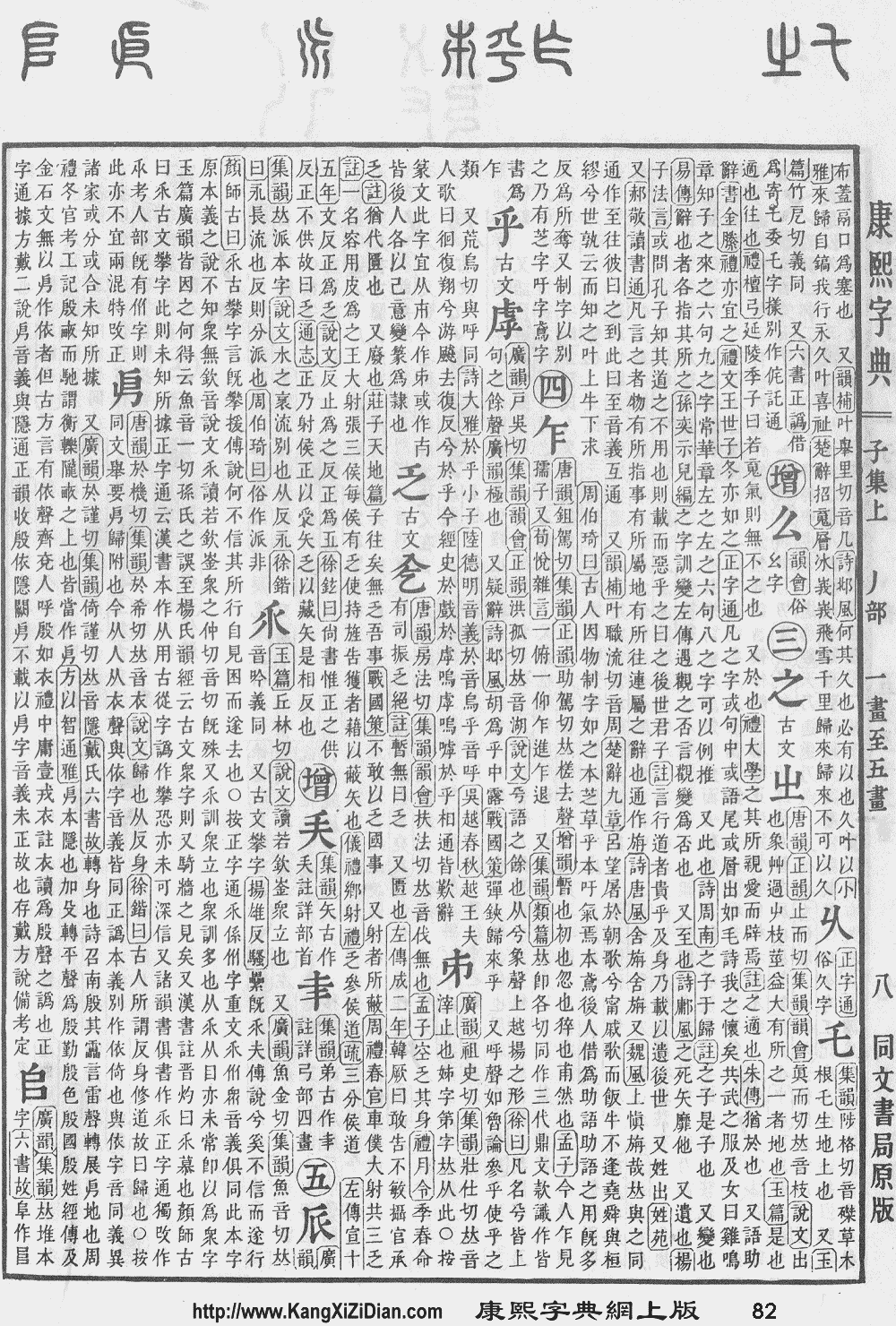
- Kangxi Dictionary: page 82, character 7
- Dai Kanwa Jiten: character 131
- Dae Jaweon: page 166, character 1
- Hanyu Da Zidian (first edition): volume 1, page 36, character 8
- Unihan data for U+4E4E
Chinese
Glyph origin
| Historical forms of the character 乎 | ||||||||||||||||||||||||||||||||||||||||||||||||||||||||||||||||||||||||||||||||||||||||||||||||||||||||||||||||||||||||||||||||||||||||||||||||||||||||||||
|---|---|---|---|---|---|---|---|---|---|---|---|---|---|---|---|---|---|---|---|---|---|---|---|---|---|---|---|---|---|---|---|---|---|---|---|---|---|---|---|---|---|---|---|---|---|---|---|---|---|---|---|---|---|---|---|---|---|---|---|---|---|---|---|---|---|---|---|---|---|---|---|---|---|---|---|---|---|---|---|---|---|---|---|---|---|---|---|---|---|---|---|---|---|---|---|---|---|---|---|---|---|---|---|---|---|---|---|---|---|---|---|---|---|---|---|---|---|---|---|---|---|---|---|---|---|---|---|---|---|---|---|---|---|---|---|---|---|---|---|---|---|---|---|---|---|---|---|---|---|---|---|---|---|---|---|---|
| Shang | Western Zhou | Shuowen Jiezi (compiled in Han) | Liushutong (compiled in Ming) | |||||||||||||||||||||||||||||||||||||||||||||||||||||||||||||||||||||||||||||||||||||||||||||||||||||||||||||||||||||||||||||||||||||||||||||||||||||||||
| Oracle bone script | Bronze inscriptions | Small seal script | Transcribed ancient scripts | |||||||||||||||||||||||||||||||||||||||||||||||||||||||||||||||||||||||||||||||||||||||||||||||||||||||||||||||||||||||||||||||||||||||||||||||||||||||||
 |
 |
 |
 | |||||||||||||||||||||||||||||||||||||||||||||||||||||||||||||||||||||||||||||||||||||||||||||||||||||||||||||||||||||||||||||||||||||||||||||||||||||||||
|||
|
References: Mostly from Richard Sears' Chinese Etymology site (authorisation),
| ||||||||||||||||||||||||||||||||||||||||||||||||||||||||||||||||||||||||||||||||||||||||||||||||||||||||||||||||||||||||||||||||||||||||||||||||||||||||||||


Ideogrammic compound (會意/会意) and phono-semantic compound (形聲/形声, OC *ɢaː) : semantic [Term?] (“wind; air”) + phonetic 丂 (OC *kʰluːʔ, “branch”) – original form of 呼 (OC *qʰaː, “to call; to cry”). Compare 兮 (OC *ɢeː).
Etymology 1
| simp. and trad. |
乎 | |
|---|---|---|
| alternative forms | 𠂞 𠂠 | |
- in; at; on
- Attrited or unstressed form of 於 (OC *qa) (Schuessler, 2007).
This etymology is incomplete. You can help Wiktionary by elaborating on the origins of this term.
Pronunciation
Definitions
乎
- in; at; on
- 今子有五石之瓠,何不慮以為大樽而浮乎江湖,而憂其瓠落無所容? [Classical Chinese, trad.]
- From: Zhuangzi, circa 3rd – 2nd centuries BCE
- Jīn zǐ yǒu wǔ dàn zhī hù, hé bù lǜ yǐwèi dà zūn ér fú hū jiānghú, ér yōu qí hùluò wú suǒ róng? [Pinyin]
- Sir, had calabashes large enough to hold five piculs; why did you not think of making large bottle-gourds of them, by means of which you could have floated over rivers and lakes, instead of giving yourself the sorrow of finding that they were useless for holding anything.
今子有五石之瓠,何不虑以为大樽而浮乎江湖,而忧其瓠落无所容? [Classical Chinese, simp.]
- (indicates the object of an action) with; on
- (indicates comparison) than
- 福輕乎羽,莫之知載;禍重乎地,莫之知避。 [Classical Chinese, trad.]
- From: Zhuangzi, circa 3rd – 2nd centuries BCE
- Fú qīng hū yǔ, mò zhī zhī zǎi; huò zhòng hū dì, mò zhī zhī bì. [Pinyin]
- Happiness is lighter than a feather, but no one knows how to support it; calamity is heavier than the earth, and yet no one knows how to avoid it.
福轻乎羽,莫之知载;祸重乎地,莫之知避。 [Classical Chinese, simp.]
- † A suffix placed after adjectives and adverbs to express praise or amazement.
- † Sentence-final interrogative particle.
- † Sentence-final exclamatory particle.
- † Sentence-final imperative particle.
- † Sentence-final speculative particle.
Compounds
- 不亦樂乎/不亦乐乎 (bùyìlèhū)
- 不在乎 (bù zàihu)
- 不外乎 (bùwàihū)
- 之乎者也 (zhīhūzhěyě)
- 二乎
- 云乎
- 似乎 (sìhū)
- 傻乎乎 (shǎhūhū)
- 出乎尋常/出乎寻常
- 出乎意外
- 出乎意料 (chūhūyìliào)
- 呀呀乎
- 嗟乎 (jiēhū)
- 在乎 (zàihū)
- 套近乎 (tàojìnhū)
- 幾乎/几乎 (jīhū)
- 微乎其微 (wēihūqíwēi)
- 情見乎言/情见乎言
- 情見乎辭/情见乎辞
- 應乎人心/应乎人心
- 扎乎
- 拉近乎
- 攻乎異端/攻乎异端
- 斷乎/断乎 (duànhū)
- 斷乎不可/断乎不可
- 於乎/于乎 (wūhū)
- 於是乎/于是乎 (yúshìhū)
- 毫不在乎
- 況乎/况乎 (kuànghū)
- 渙乎/涣乎
- 溜之乎也
- 滿不在乎/满不在乎
- 猶之乎/犹之乎
- 異乎尋常/异乎寻常 (yìhūxúncháng)
- 瞠乎其後/瞠乎其后 (chēnghūqíhòu)
- 瞠乎後矣/瞠乎后矣
- 確乎/确乎
- 神乎其技 (shénhūqíjì)
- 神乎其神
- 胖乎乎 (pànghūhū)
- 臭乎乎
- 超乎 (chāohū)
- 辣乎乎
- 近乎
- 迥乎不同 (jiǒnghūbùtóng)
- 關乎/关乎 (guānhū)
- 難乎為繼/难乎为继 (nánhūwéijì)
Pronunciation
Pronunciation
Definitions
乎
- (Hokkien) Sentence-final particle expressing doubt with a question, especially to ask for confirmation: right?
- (Mainland China and Philippine Hokkien) Particle in the middle of a sentence to express a pause in speaking with slight emphasis on the preceding word: right
- (Taiwanese Hokkien) Sentence-final particle expressing a question to tease or ridicule someone
- (Taiwanese Hokkien) modal particle expressing understanding, comprehension, realization: oh!
- (Zhangzhou Hokkien) Sentence-final particle to indicate an imperative sentence
Japanese
Kanji
(“Jinmeiyō” kanji used for names)
- This term needs a translation to English. Please help out and add a translation, then remove the text
{{rfdef}}.
Readings
Etymology
| Kanji in this term |
|---|
| 乎 |
| か Jinmeiyō |
| kun’yomi |
| For pronunciation and definitions of 乎 – see the following entry. | ||
| ||
| (This term, 乎, is an alternative spelling (literary, obsolete) of the above term.) |
Korean
Hanja
- This term needs a translation to English. Please help out and add a translation, then remove the text
{{rfdef}}.
References
Old Korean
Etymology 1
From the Middle Chinese reading 乎 (MC hu).
Suffix
乎 (*-wo)
- A very common verbal suffix, sometimes called the "modulator" in English, whose meaning is disputed. See the Middle Korean entry 오 (-wo) for more.
Descendants
- Middle Korean: 오 (-wo, yang-vowel modulator suffix)
Suffix
乎 (*-wo)
- An adverb-deriving suffix.
Descendants
- Middle Korean: 오 (-wo, yang-vowel adverb-deriving suffix)
References
- 황선엽 (Hwang Seon-yeop), 이전경 (Yi Jeon-gyeong), 하귀녀 (Ha Gwi-nyeo), 이용 (Yi Yong), 박진호 (Park Jin-ho), 김성주 (Kim Seong-ju), 장경준 (Jang Gyeong-jun), 서민욱 (Seo Min-uk), 이지영 (Yi Ji-yeong), 서형국 (Seo Hyeong-guk). (2009) 석독구결사전/釋讀口訣辭典 [Dictionary of interpretive gugyeol], Bakmunsa, →ISBN, pages 393—396