動
| ||||||||
Translingual
Han character
動 (Kangxi radical 19, 力+9, 11 strokes, cangjie input 竹土大尸 (HGKS), four-corner 24127, composition ⿰重力)
References
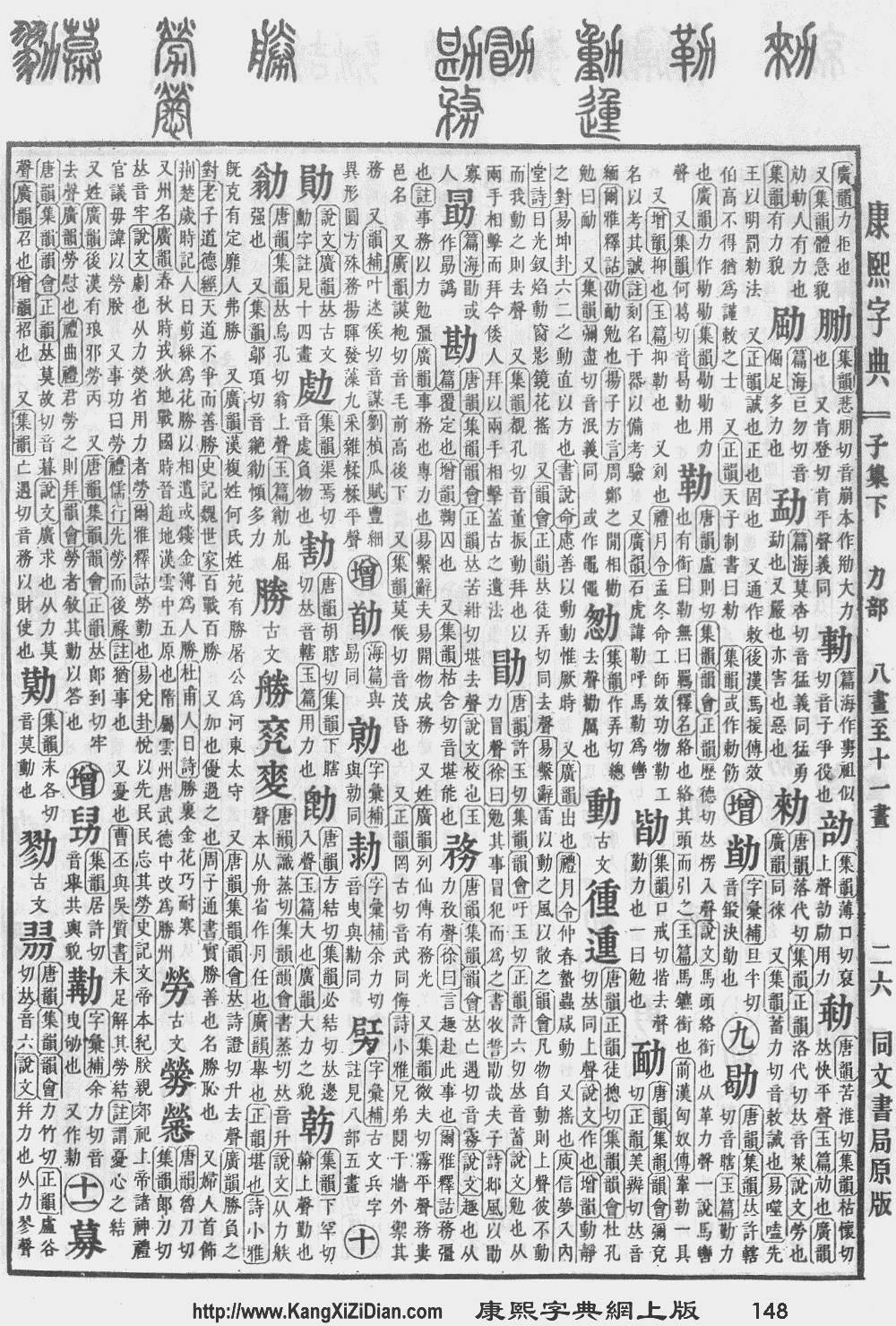
- Kangxi Dictionary: page 148, character 14
- Dai Kanwa Jiten: character 2390
- Dae Jaweon: page 333, character 24
- Hanyu Da Zidian (first edition): volume 1, page 375, character 6
- Unihan data for U+52D5
Chinese
| trad. | 動 | |
|---|---|---|
| simp. | 动* | |
| alternative forms | ||
Glyph origin
| Historical forms of the character 動 | ||||
|---|---|---|---|---|
| Shang | Western Zhou | Warring States | Shuowen Jiezi (compiled in Han) | Liushutong (compiled in Ming) |
| Oracle bone script | Bronze inscriptions | Chu slip and silk script | Small seal script | Transcribed ancient scripts |
 |
 |
 |
 |
 |
Characters in the same phonetic series (重) (Zhengzhang, 2003)
| Old Chinese | |
|---|---|
| 撞 | *rdoːŋ, *rdoːŋs |
| 幢 | *rdoːŋ, *rdoːŋs |
| 橦 | *rdoːŋ, *doːŋ, *tjoŋ |
| 噇 | *rdoːŋ |
| 𩪘 | *rdoːŋ |
| 艟 | *rdoːŋs, *tʰjoŋ |
| 憧 | *rdoːŋs, *tʰjoŋ |
| 畽 | *tʰoːnʔ, *tʰuːnʔ |
| 董 | *toːŋʔ |
| 蕫 | *toːŋʔ, *doːŋ |
| 箽 | *toːŋʔ |
| 懂 | *toːŋʔ |
| 湩 | *toːŋs, *tuːŋʔ, *toŋs |
| 曈 | *tʰoːŋ, *tʰoːŋʔ, *doːŋ |
| 童 | *doːŋ |
| 僮 | *doːŋ |
| 瞳 | *doːŋ |
| 罿 | *doːŋ, *tʰjoŋ |
| 犝 | *doːŋ |
| 潼 | *doːŋ, *tʰjoŋ |
| 穜 | *doːŋ, *doŋ |
| 動 | *doːŋʔ |
| 慟 | *doːŋs |
| 堹 | *toŋs |
| 諥 | *toŋs |
| 蹱 | *tʰoŋ, *tʰoŋs, *tjoŋ |
| 重 | *doŋ, *doŋʔ, *doŋs |
| 緟 | *doŋ, *doŋs |
| 蝩 | *doŋ |
| 褈 | *doŋ, *tʰjoŋ |
| 鐘 | *tjoŋ, *tjoŋ |
| 鍾 | *tjoŋ |
| 籦 | *tjoŋ |
| 種 | *tjoŋʔ, *tjoŋs |
| 腫 | *tjoŋʔ |
| 踵 | *tjoŋʔ |
| 歱 | *tjoŋʔ |
| 喠 | *tjoŋʔ, *tʰjoŋʔ |
| 偅 | *tjoŋs |
| 衝 | *tʰjoŋ |
| 揰 | *tʰjoŋs |
| 尰 | *djoŋʔ |
Phono-semantic compound (形聲/形声, OC *doːŋʔ) : phonetic 重 (OC *doŋ, *doŋʔ, *doŋs) + semantic 力 (“strength”).
Pronunciation
Definitions
動
- (transitive or intransitive) to move
- 坐著不動/坐着不动 ― zuò zhe bù dòng ― to sit still and not move
- 動來動去/动来动去 ― dòng lái dòng qù ― to move around
- 五月斯螽動股,六月莎雞振羽。 [Pre-Classical Chinese, trad.]
- From: The Classic of Poetry, c. 11th – 7th centuries BCE, translated based on James Legge's version
- Wǔyuè sīzhōng dòng gǔ, liùyuè shājī zhènyǔ. [Pinyin]
- In the fifth month, the locust moves its legs;
In the sixth month, the spinner sounds its wings.
五月斯螽动股,六月莎鸡振羽。 [Pre-Classical Chinese, simp.]
- to act
- 為民父母,使民盻盻然,將終歲勤動,不得以養父母。 [Classical Chinese, trad.]
- From: Mencius, c. 4th century BCE
- Wéi mín fùmǔ, shǐ mín xìxì rán, jiāng zhōngsuì qíndòng, bù dé yǐ yǎng fùmǔ. [Pinyin]
- When the parent of the people causes the people to wear looks of distress, and, after the whole year's toil, yet not to be able to nourish their parents[...]
为民父母,使民盻盻然,将终岁勤动,不得以养父母。 [Classical Chinese, simp.]- 農村各類互助合作組織和各階層群眾,已經程度不同地普遍地動起來了。 [MSC, trad.]
- From: 1955, 毛澤東 (Mao Zedong), 《關於農業合作化問題》 (On the co-operative transformation of agriculture), 《毛澤東選集》. English translation based on the Foreign Languages Press edition
- Nóngcūn gè lèi hùzhù hézuò zǔzhī hé gè jiēcéng qúnzhòng, yǐjīng chéngdù bùtóng dì pǔbiàn dì dòng qǐlái le. [Pinyin]
- With the rise and spread of rural co-operation, mutual-aid and co-operative organizations of various types and the people of various strata in the rural areas are all on the move to a greater or lesser degree.
农村各类互助合作组织和各阶层群众,已经程度不同地普遍地动起来了。 [MSC, simp.]
- to alter; to change the state of
- 十三大政治報告是經過黨的代表大會通過的,一個字都不能動。 [MSC, trad.]
- From: 李颖 (2012 October 5) “邓小平:十三大政治报告,“一个字都不能动””, in 记者观察, number 10, →ISSN, page 64
- Shísān dà zhèngzhì bàogào shì jīngguò dǎng de dàibiǎo dàhuì tōngguò de, yī ge zì dōu bùnéng dòng. [Pinyin]
- (please add an English translation of this usage example)
十三大政治报告是经过党的代表大会通过的,一个字都不能动。 [MSC, simp.]
- to use
- to move; to touch (emotionally)
- (dialectal, chiefly in the negative) to eat; to drink
- (literary) easily; almost always
- 動以萬計/动以万计 ― dòng yǐ wàn jì ― almost always numbered by the ten thousands
- 動辄得咎/动辄得咎 ― dòngzhé déjiù ― liable to be blamed at every possible move
- 動而得謗,名亦隨之,投閑置散,乃分之宜。 [Classical Chinese, trad.]
- From: c. 812, Han Yu (韓愈)《進學解》, title translated as Explanation Upon Entering the Academy
- Dòng ér dé bàng, míng yì suí zhī, tóuxiánzhìsàn, nǎi fēn zhī yí. [Pinyin]
- Easily can I get calumniated, by which follows my renown. Occupying an insignificant position also suits me well.
动而得谤,名亦随之,投闲置散,乃分之宜。 [Classical Chinese, simp.]
- (grammar) Short for 動詞/动词 (dòngcí, “verb”).
Compounds
- 一舉一動/一举一动 (yījǔyīdòng)
- 不動尊/不动尊
- 不動產/不动产 (bùdòngchǎn)
- 不為所動/不为所动 (bùwéisuǒdòng)
- 主動/主动 (zhǔdòng)
- 主動式/主动式 (zhǔdòngshì)
- 主動脈/主动脉 (zhǔdòngmài)
- 互動/互动 (hùdòng)
- 互動式/互动式 (hùdòngshì)
- 他動/他动
- 他動詞/他动词 (tādòngcí)
- 使動/使动 (shǐdòng)
- 傳動/传动 (chuándòng)
- 傾動/倾动
- 傳動帶/传动带
- 傳動比/传动比
- 內動詞/内动词 (nèidòngcí)
- 出動/出动 (chūdòng)
- 制動器/制动器 (zhìdòngqì)
- 助動詞/助动词 (zhùdòngcí)
- 動不動/动不动 (dòngbùdòng)
- 動不得/动不得
- 動亂/动乱 (dòngluàn)
- 動事/动事
- 動人/动人 (dòngrén, “moving, touching”)
- 動人心弦/动人心弦 (dòngrénxīnxián)
- 動作/动作 (dòngzuò, “action, movement, motion”)
- 動作片/动作片
- 動使/动使
- 動兵/动兵 (dòngbīng)
- 動刀/动刀 (dòngdāo)
- 動刀兵/动刀兵 (dòng dāobīng)
- 動刑/动刑 (dòngxíng)
- 動力/动力 (dònglì)
- 動力學/动力学 (dònglìxué)
- 動力機/动力机 (dònglìjī)
- 動勁/动劲
- 動勁兒/动劲儿
- 動勞/动劳
- 動勢/动势
- 動口/动口
- 動向/动向 (dòngxiàng)
- 動名詞/动名词 (dòngmíngcí)
- 動員/动员 (dòngyuán, “to mobilise”)
- 動員令/动员令 (dòngyuánlìng)
- 動問/动问 (dòngwèn, “to query”)
- 動嘴/动嘴 (dòngzuǐ)
- 動因/动因
- 動土/动土 (dòngtǔ)
- 動容/动容 (dòngróng)
- 動工/动工 (dònggōng)
- 動干戈
- 動彈/动弹 (dòngtán)
- 動心/动心 (dòngxīn)
- 動心眼兒/动心眼儿
- 動念/动念 (dòngniàn)
- 動怒/动怒 (dòngnù)
- 動息/动息
- 動情/动情 (dòngqíng)
- 動情素/动情素
- 動感/动感 (dònggǎn)
- 動意/动意
- 動態/动态 (dòngtài)
- 動態助詞/动态助词 (dòngtài zhùcí)
- 動憚/动惮
- 動手/动手 (dòngshǒu, “to touch/hit/get to work”)
- 動手動腳/动手动脚 (dòngshǒudòngjiǎo)
- 動手腳/动手脚 (dòngshǒujiǎo)
- 動手術/动手术 (dòng shǒushù)
- 動換/动换
- 動搖/动摇 (dòngyáo)
- 動撣/动掸
- 動支/动支
- 動植物/动植物 (dòngzhíwù)
- 動機/动机 (dòngjī, “motive, intention”)
- 動止/动止
- 動武/动武 (dòngwǔ)
- 動氣/动气 (dòngqì)
- 動滑輪/动滑轮
- 動漫畫/动漫画
- 動火/动火
- 動煩/动烦
- 動熱/动热
- 動物/动物 (dòngwù, “animal”)
- 動物園/动物园 (dòngwùyuán, “zoo”)
- 動物學/动物学 (dòngwùxué, “zoology”)
- 動物油/动物油 (dòngwùyóu)
- 動物澱粉/动物淀粉
- 動物纖維/动物纤维 (dòngwù xiānwéi)
- 動物膠/动物胶
- 動產/动产 (dòngchǎn)
- 動用/动用 (dòngyòng)
- 動畫/动画 (dònghuà)
- 動畫片/动画片
- 動盪/动荡 (dòngdàng)
- 動目/动目
- 動窩/动窝
- 動筆/动笔 (dòngbǐ)
- 動粗/动粗 (dòngcū)
- 動聽/动听 (dòngtīng)
- 動肝火/动肝火
- 動脈/动脉 (dòngmài, “artery”)
- 動能/动能 (dòngnéng)
- 動脈瘤/动脉瘤 (dòngmàiliú)
- 動脈硬化/动脉硬化 (dòngmài yìnghuà)
- 動腦/动脑 (dòngnǎo)
- 動腦筋/动脑筋 (dòng nǎojīn)
- 動興/动兴
- 動舌/动舌
- 動蕩/动荡 (dòngdàng, “turbulent, unrest”)
- 動詞/动词 (dòngcí, “verb”)
- 動議/动议 (dòngyì)
- 動身/动身 (dòngshēn, “to start, to set out”)
- 動輒/动辄 (dòngzhé)
- 動輪/动轮
- 動轉/动转
- 動遷戶/动迁户
- 動量/动量 (dòngliàng)
- 動量詞/动量词 (dòngliàngcí)
- 動電學/动电学
- 動靜/动静 (dòngjìng, “movement, activity”)
- 動響/动响
- 動魄/动魄
- 動魄驚心/动魄惊心
- 勞動/劳动
- 勞動力/劳动力 (láodònglì)
- 勞動日/劳动日
- 勞動節/劳动节 (láodòngjié)
- 勞動者/劳动者 (láodòngzhě)
- 勞師動眾/劳师动众 (láoshīdòngzhòng)
- 半自動/半自动 (bànzìdòng)
- 原動力/原动力 (yuándònglì)
- 反動/反动 (fǎndòng)
- 同動詞/同动词
- 哄動/哄动 (hōngdòng)
- 嚅動/嚅动
- 地動/地动 (dìdòng)
- 地動儀/地动仪
- 外動詞/外动词 (wàidòngcí)
- 大動亂/大动乱
- 大動作/大动作
- 大動干戈
- 大動肝火/大动肝火 (dàdònggānhuǒ)
- 大動脈/大动脉 (dàdòngmài)
- 天動說/天动说
- 妄動/妄动 (wàngdòng)
- 好動/好动 (hàodòng)
- 小動作/小动作 (xiǎodòngzuò)
- 巋然不動/岿然不动 (kuīránbùdòng)
- 帶動/带动 (dàidòng)
- 帶動唱/带动唱
- 引動/引动 (yǐndòng)
- 律動/律动 (lǜdòng)
- 律動感/律动感
- 心動/心动 (xīndòng)
- 快動作/快动作
- 悸動/悸动 (jìdòng)
- 感動/感动 (gǎndòng)
- 意動用法/意动用法 (yìdòng yòngfǎ)
- 慢動作/慢动作 (màndòngzuò)
- 扇動/扇动 (shāndòng)
- 手動/手动 (shǒudòng)
- 打動/打动 (dǎdòng)
- 扭動/扭动 (niǔdòng)
- 抖動/抖动 (dǒudòng)
- 抽動/抽动 (chōudòng)
- 拂動/拂动
- 挑動/挑动 (tiǎodòng)
- 拱動/拱动
- 振動/振动 (zhèndòng)
- 挫動/挫动 (cuòdòng)
- 挪動/挪动 (nuódòng)
- 推動/推动 (tuīdòng)
- 掀動/掀动 (xiāndòng)
- 揮動/挥动 (huīdòng)
- 搬動/搬动 (bāndòng)
- 搖動/摇动 (yáodòng)
- 搏動/搏动 (bódòng)
- 搐動/搐动
- 撥動/拨动 (bōdòng)
- 撩動/撩动
- 撼動/撼动 (hàndòng)
- 擺動/摆动 (bǎidòng)
- 擾動/扰动
- 擺動波/摆动波
- 攝動/摄动 (shèdòng)
- 攪動/搅动 (jiǎodòng)
- 改動/改动 (gǎidòng)
- 啟動/启动 (qǐdòng)
- 晃動/晃动 (huàngdòng)
- 暴動/暴动 (bàodòng)
- 更動/更动 (gēngdòng)
- 機動/机动 (jīdòng)
- 機動性/机动性 (jīdòngxìng)
- 橈動脈/桡动脉
- 歆動/歆动
- 波動/波动 (bōdòng)
- 泛動/泛动
- 洶動/汹动
- 流動/流动 (liúdòng)
- 活動/活动 (huódòng)
- 流動性/流动性 (liúdòngxìng)
- 浮動/浮动 (fúdòng)
- 減動/减动
- 滑動/滑动 (huádòng)
- 滑動面/滑动面
- 滾動/滚动 (gǔndòng)
- 激動/激动 (jīdòng)
- 烘動/烘动
- 煽動/煽动 (shāndòng)
- 牽動/牵动 (qiāndòng)
- 生動/生动 (shēngdòng)
- 異動/异动 (yìdòng)
- 發動/发动 (fādòng)
- 發動機/发动机 (fādòngjī)
- 盲動/盲动 (mángdòng)
- 移動/移动 (yídòng)
- 竄動/窜动
- 策動/策动 (cèdòng)
- 總動員/总动员 (zǒngdòngyuán)
- 翕動/翕动 (xīdòng)
- 翻動/翻动 (fāndòng)
- 聳動/耸动 (sǒngdòng)
- 肺動脈/肺动脉 (fèidòngmài)
- 胎動/胎动 (tāidòng)
- 能動/能动 (néngdòng)
- 脈動/脉动 (màidòng)
- 脈動星/脉动星
- 自動/自动 (zìdòng)
- 自動化/自动化 (zìdònghuà)
- 自動門/自动门 (zìdòngmén)
- 興動/兴动
- 舉動/举动 (jǔdòng)
- 舞動/舞动 (wǔdòng)
- 萌動/萌动 (méngdòng)
- 蟻動/蚁动
- 蠕動/蠕动 (rúdòng)
- 蠢動/蠢动 (chǔndòng)
- 行動/行动 (xíngdòng)
- 行動派/行动派
- 衝動/冲动 (chōngdòng)
- 被動/被动 (bèidòng)
- 被動式/被动式 (bèidòngshì)
- 觸動/触动 (chùdòng)
- 說動/说动 (shuōdòng)
- 調動/调动 (diàodòng)
- 譟動/噪动
- 警動/警动
- 變動/变动 (biàndòng)
- 賣動/卖动
- 走動/走动 (zǒudòng)
- 起動/起动 (qǐdòng)
- 起動器/起动器
- 跳動/跳动 (tiàodòng)
- 躁動/躁动 (zàodòng)
- 躍動/跃动 (yuèdòng)
- 轉動/转动
- 轟動/轰动 (hōngdòng)
- 運動/运动 (yùndòng)
- 過動兒/过动儿
- 運動員/运动员 (yùndòngyuán)
- 運動場/运动场 (yùndòngchǎng)
- 運動家/运动家
- 運動會/运动会 (yùndònghuì)
- 運動衫/运动衫 (yùndòngshān)
- 運動鞋/运动鞋 (yùndòngxié)
- 那動/那动
- 閃動/闪动 (shǎndòng)
- 開動/开动 (kāidòng)
- 雷動/雷动 (léidòng)
- 電動/电动 (diàndòng)
- 電動機/电动机 (diàndòngjī)
- 電動車/电动车 (diàndòngchē)
- 震動/震动 (zhèndòng)
- 靈動/灵动 (língdòng)
- 章動/章动 (zhāngdòng)
- 響動兒/响动儿
- 頸動脈/颈动脉 (jǐngdòngmài)
- 顫動/颤动 (chàndòng)
- 風動/风动
- 飄動/飘动 (piāodòng)
- 騷動/骚动 (sāodòng)
- 驅動/驱动 (qūdòng)
- 驚動/惊动 (jīngdòng)
- 鬆動/松动 (sōngdòng)
- 鬧動/闹动
- 鬨動/哄动
- 魄動/魄动
- 鼓動/鼓动 (gǔdòng)
Japanese
Readings
Compounds
References
- “動” in: 諸橋轍次 (Morohashi Tetsuji), chief ed. 大漢和辞典 (Dai Kan-Wa Jiten, “Comprehensive Chinese–Japanese Dictionary”). 13 vols. 1955–1960. Revised and enlarged ed. 1984–1986. Tokyo: Taishukan.
Vietnamese
This article is issued from Wiktionary. The text is licensed under Creative Commons - Attribution - Sharealike. Additional terms may apply for the media files.